
5 days·English
5.0(11)
From Reykjavík: 5-Day Northern Lights Hunt & Glacier Lagoon
Free cancellationFree Wi-Fi on boardExpert guidance from a professional local guide

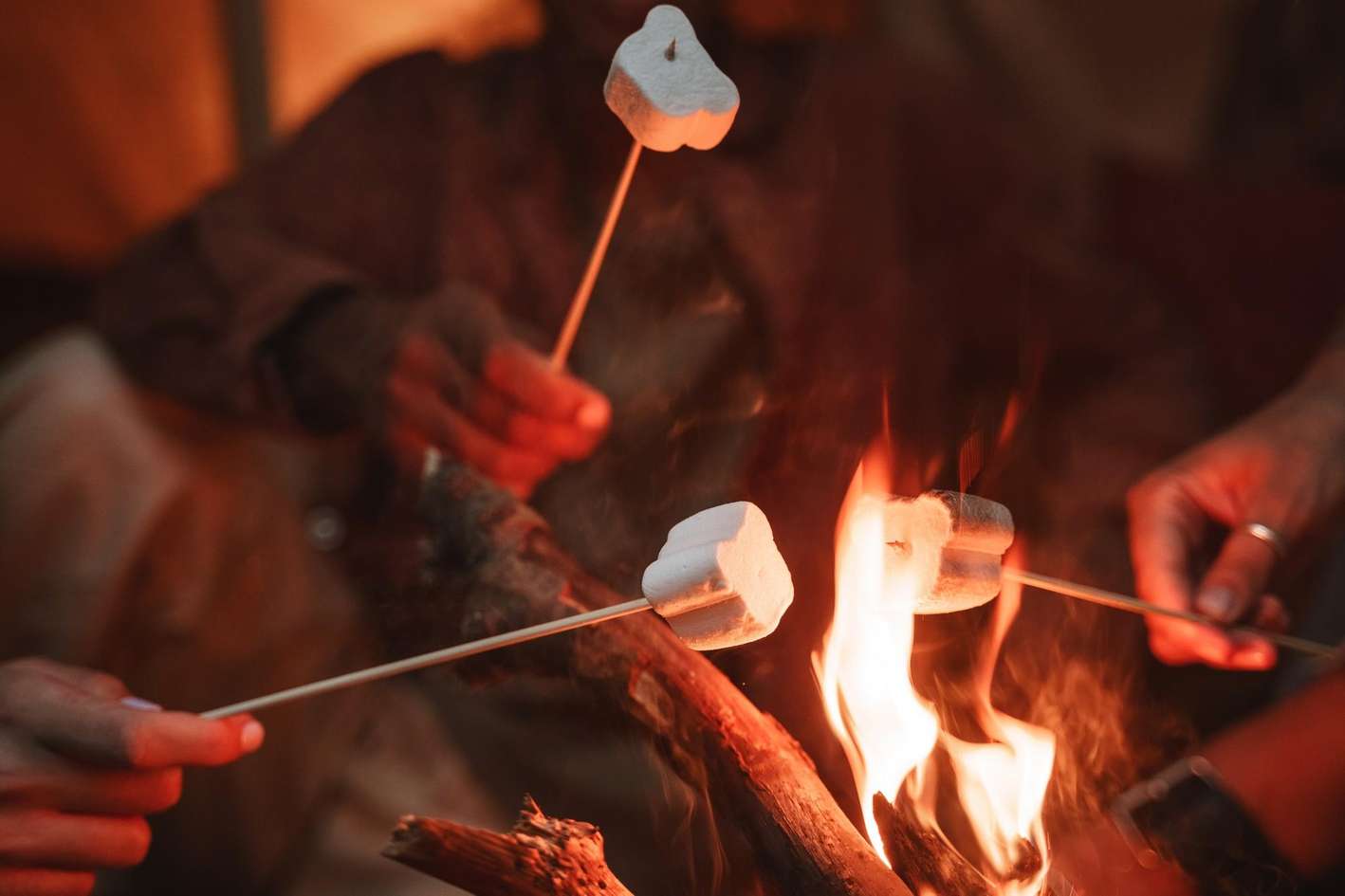
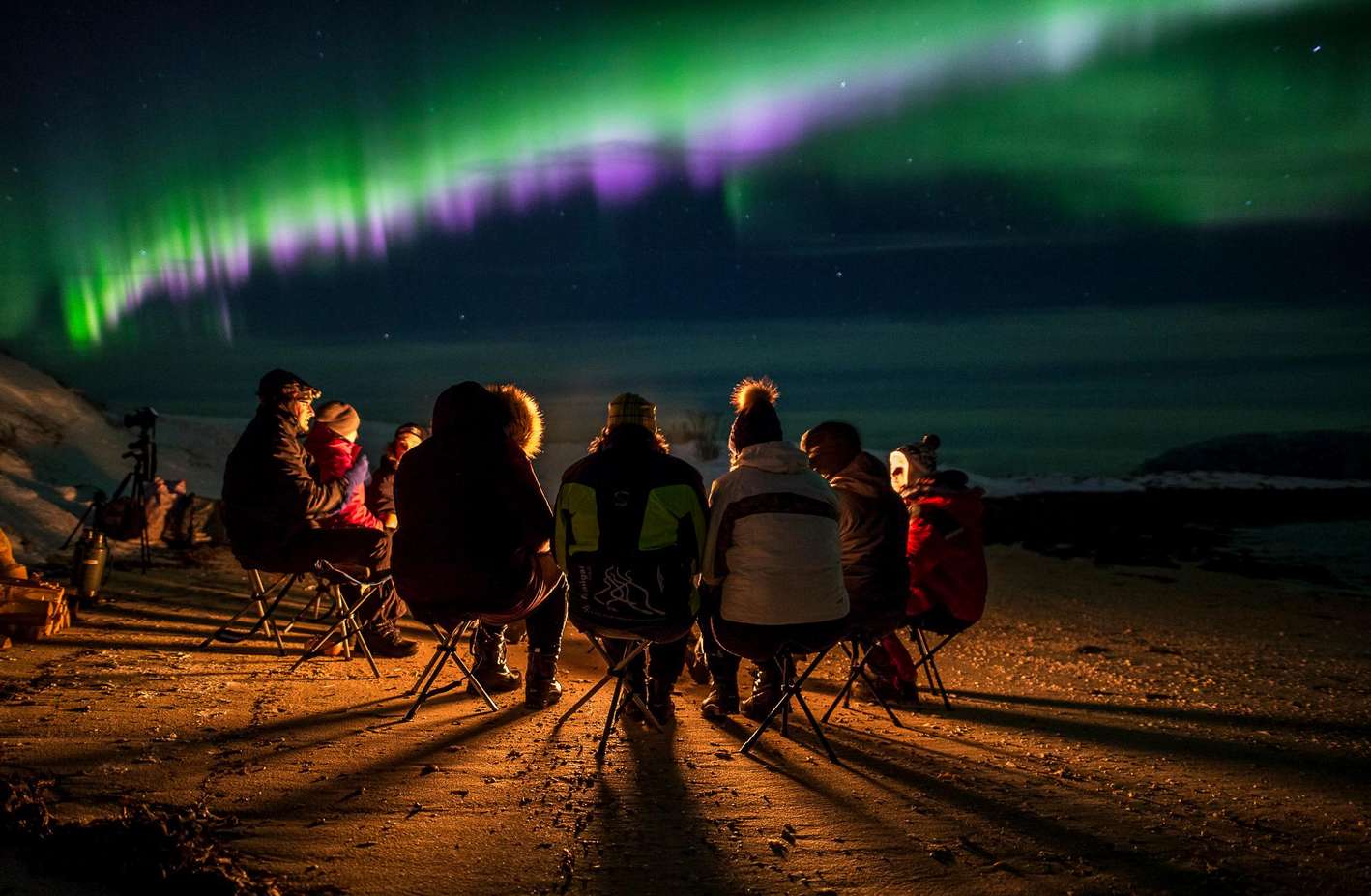
Find your spot, then chase the sky. Guides track the forecast nightly and drive to wherever the clouds break. Join thousands who sipped hot cocoa under a dancing sky and rebook free if the lights stay shy. Book tonight and keep the rest of your stay for a retry.
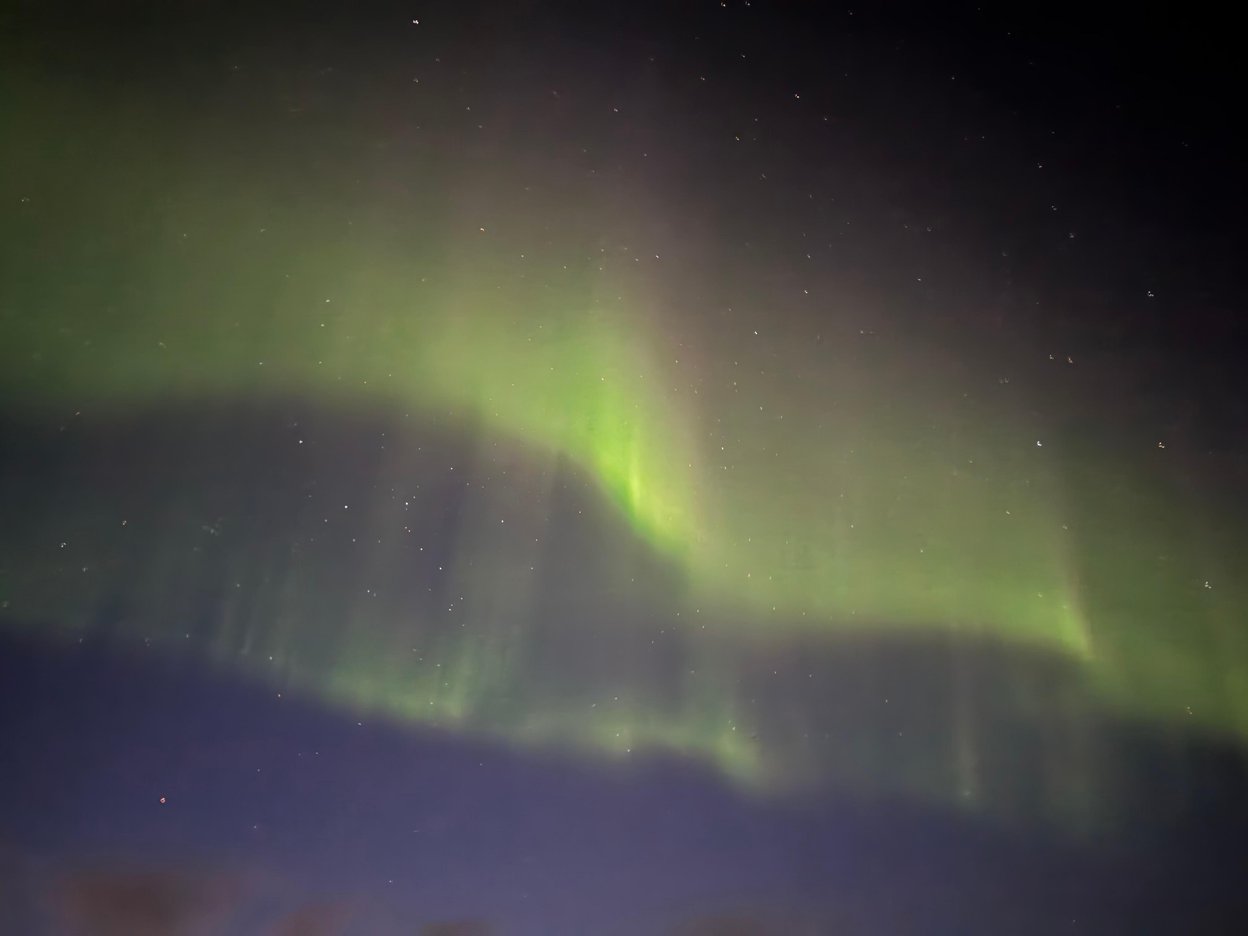
"Last night of the season so we weren't expecting much, but we did catch a little bit. Great guide, snowy mountains, and a hot chocolate made it a lovely evening."


kvika footbath, 39°c, free
The lights can burn right over Hallgrímskirkja on a strong night and hide behind the city glow the next. The spot you pick settles which of those nights you get.
Strong auroras, Kp 4 or higher, show over downtown Reykjavik around midnight without costing a thing.
Grótta lighthouse, about 50 minutes on foot from downtown, is the darkest spot you can reach without a car.
The Sun Voyager and Harpa shoreline sit 9 minutes from central hotels, but streetlights along Sæbraut mute faint displays.
Öskjuhlíð hill is the one city spot where trees block the freezing wind, and the forest darkens the sky.
On all but the strongest nights, a guided chase that drives 30 to 80 km to wherever the cloud gap sits beats any fixed spot.
Watch the northern lights from a viewpoint on the mainland side and check the tide times before you set out, so a rising sea never leaves you walking back in the dark.
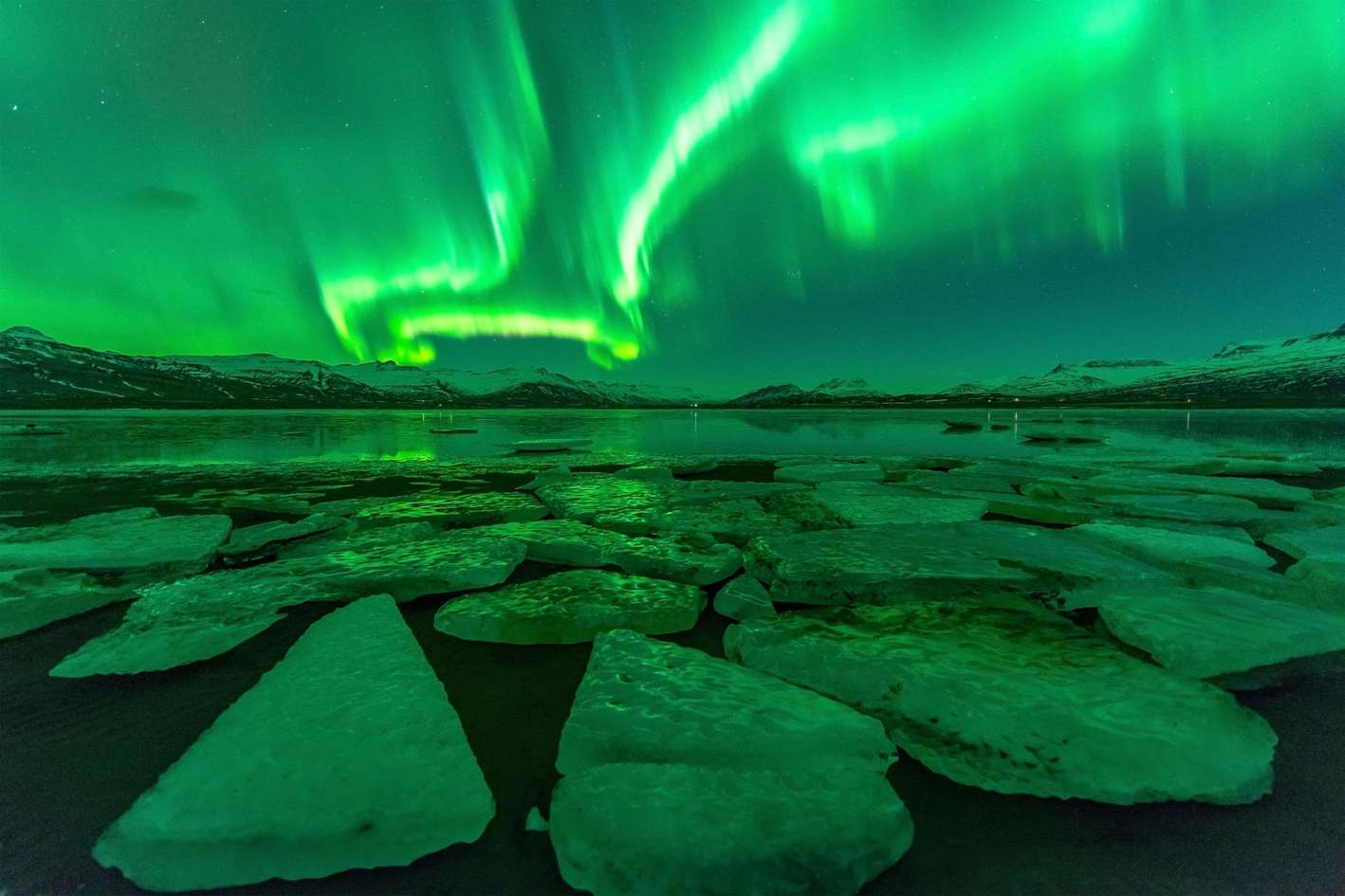
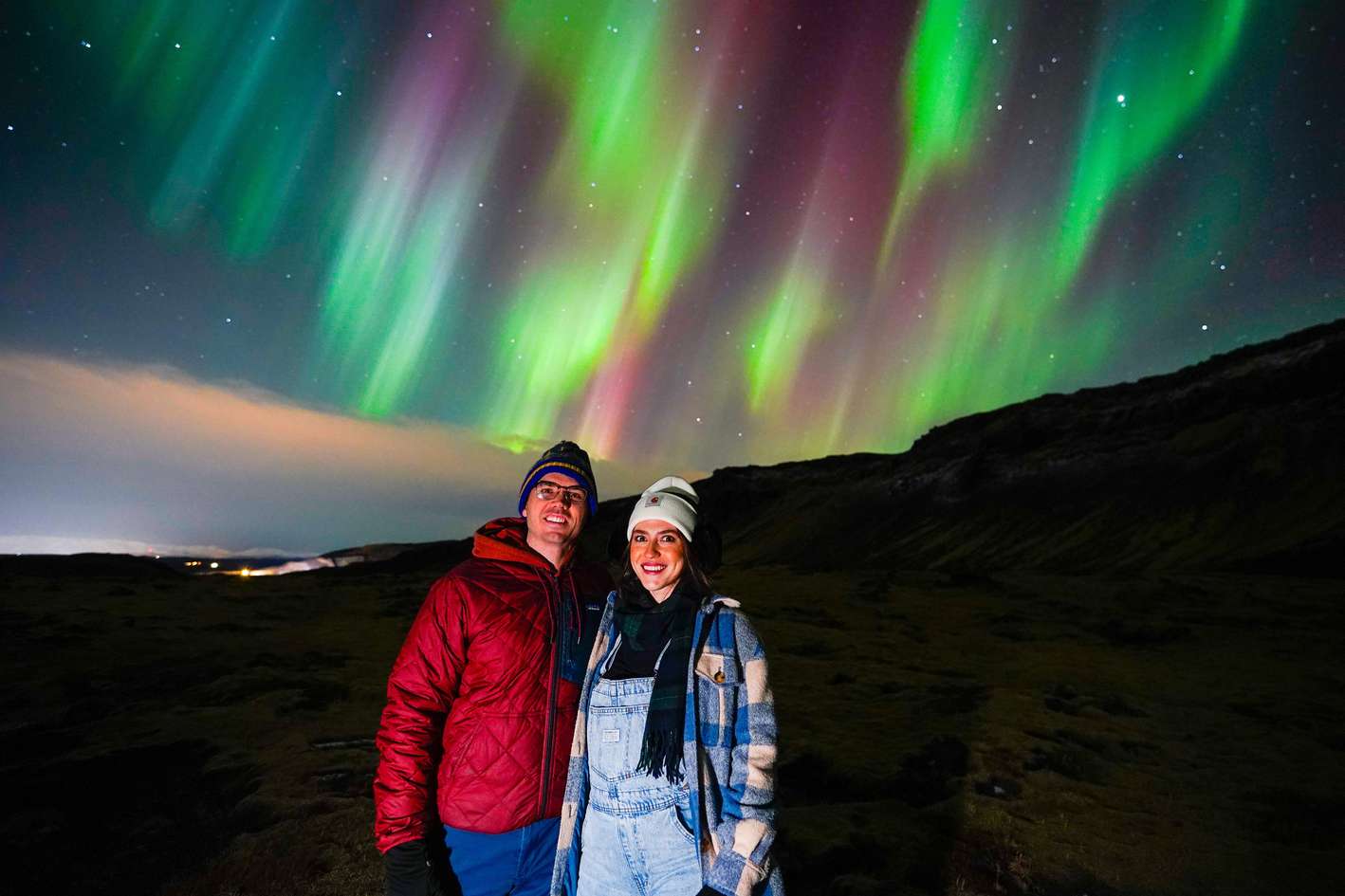
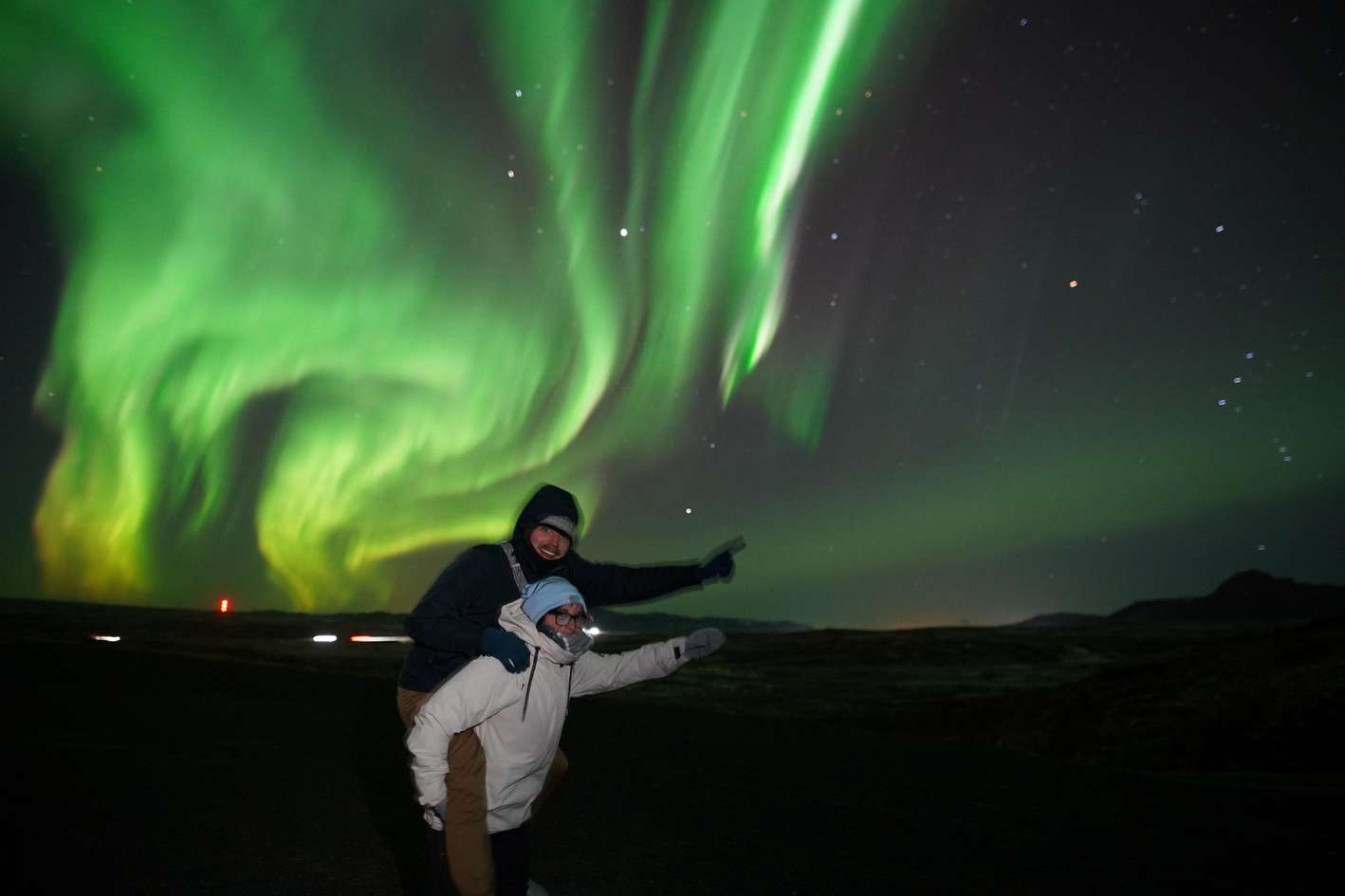
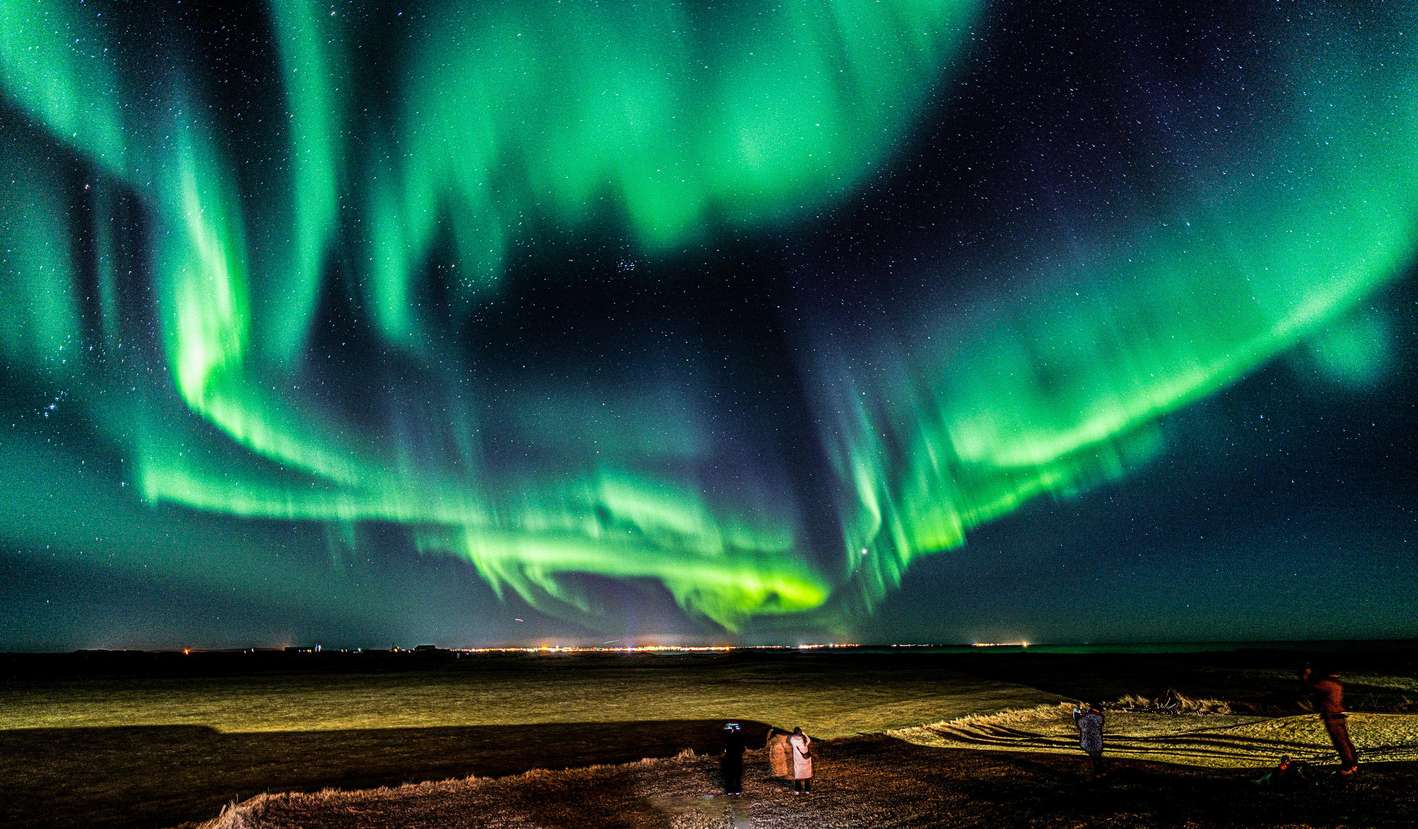
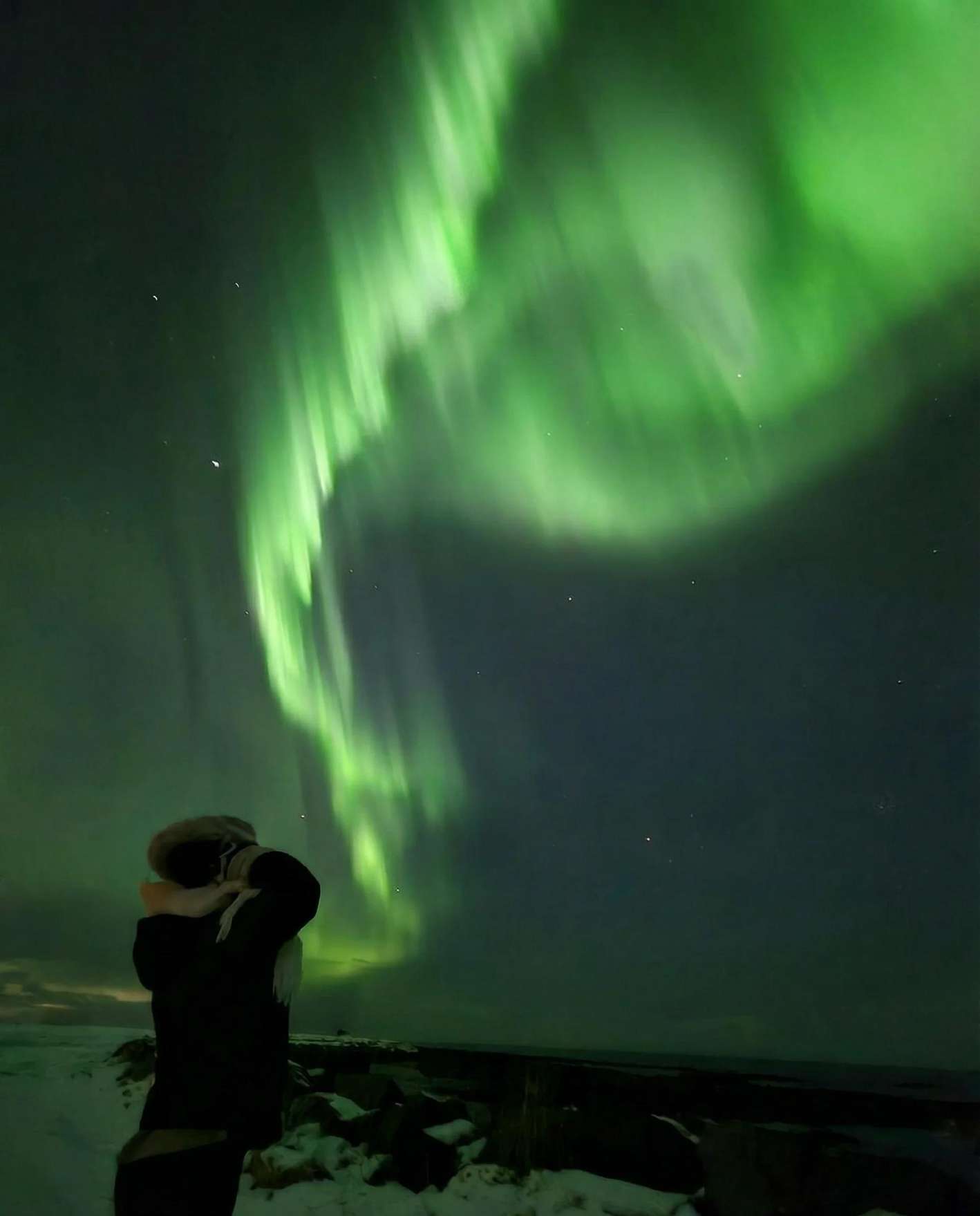
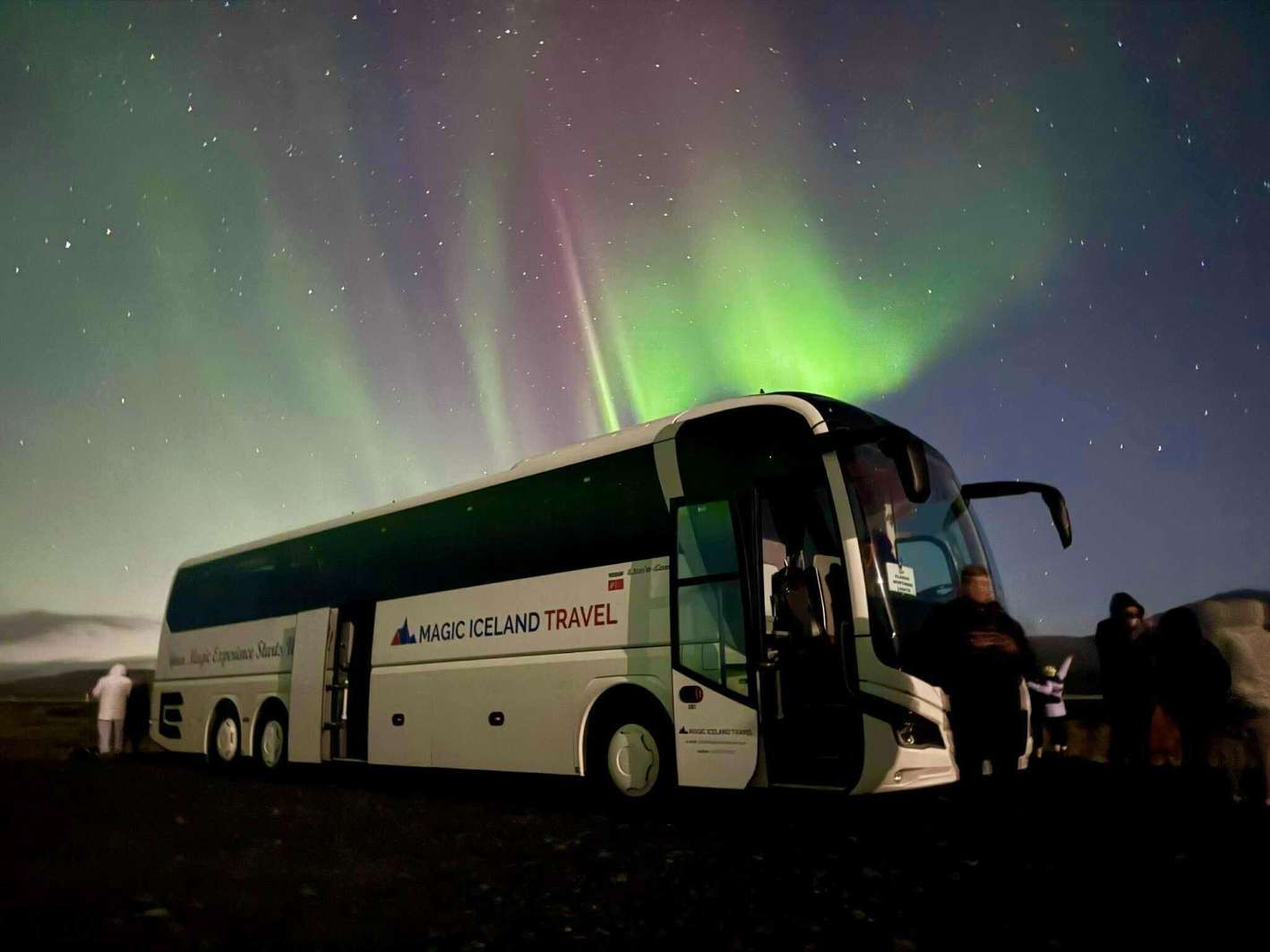
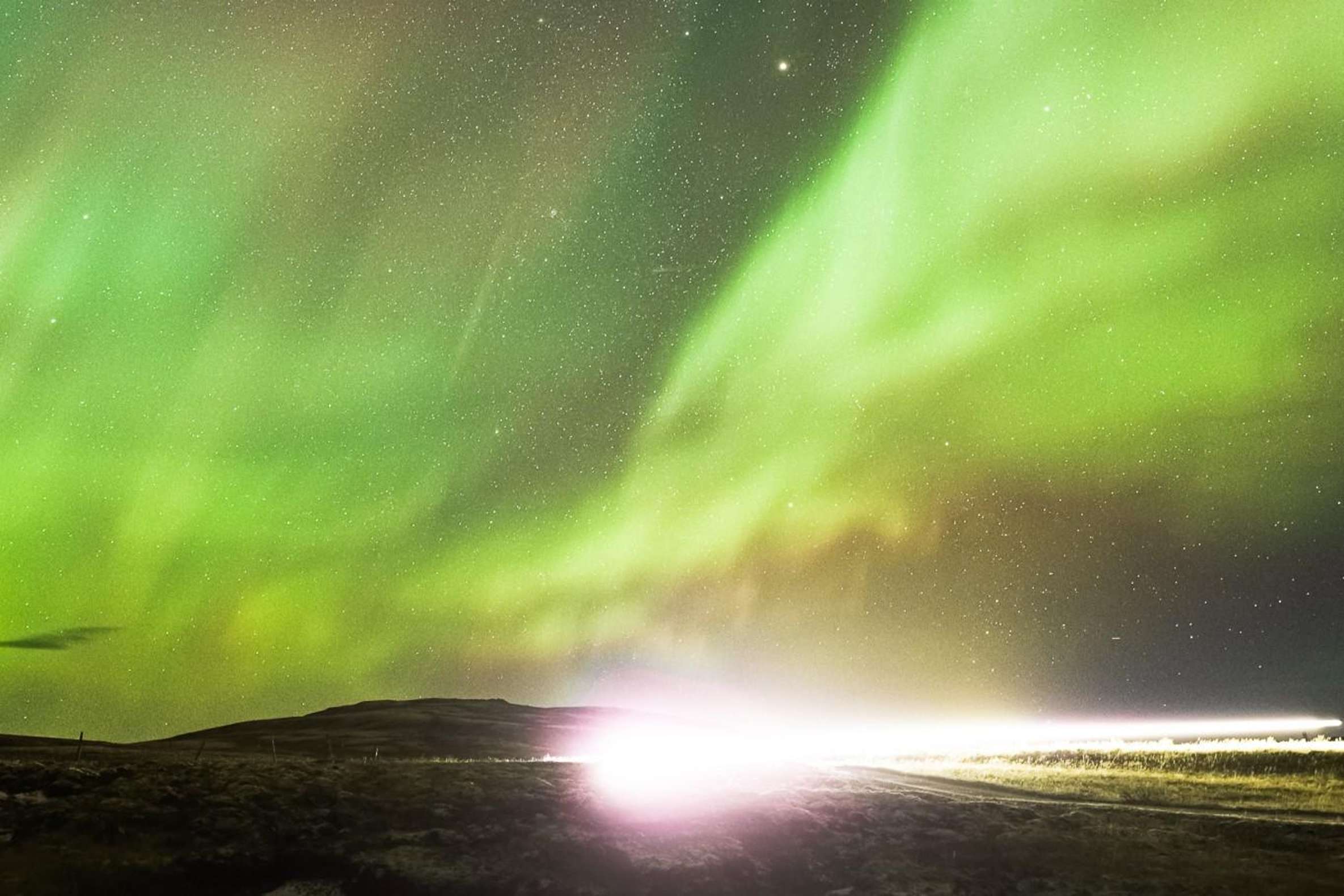
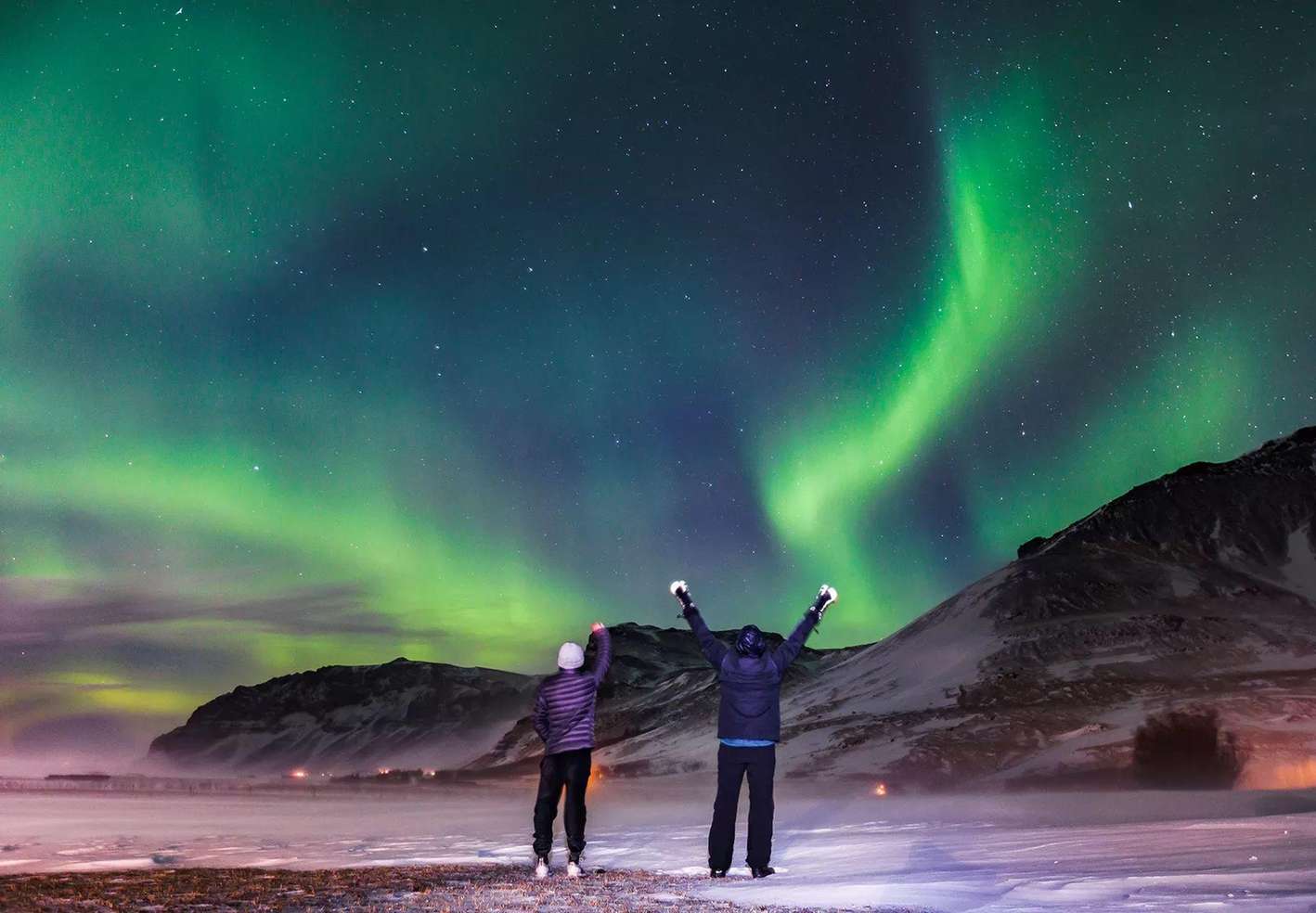
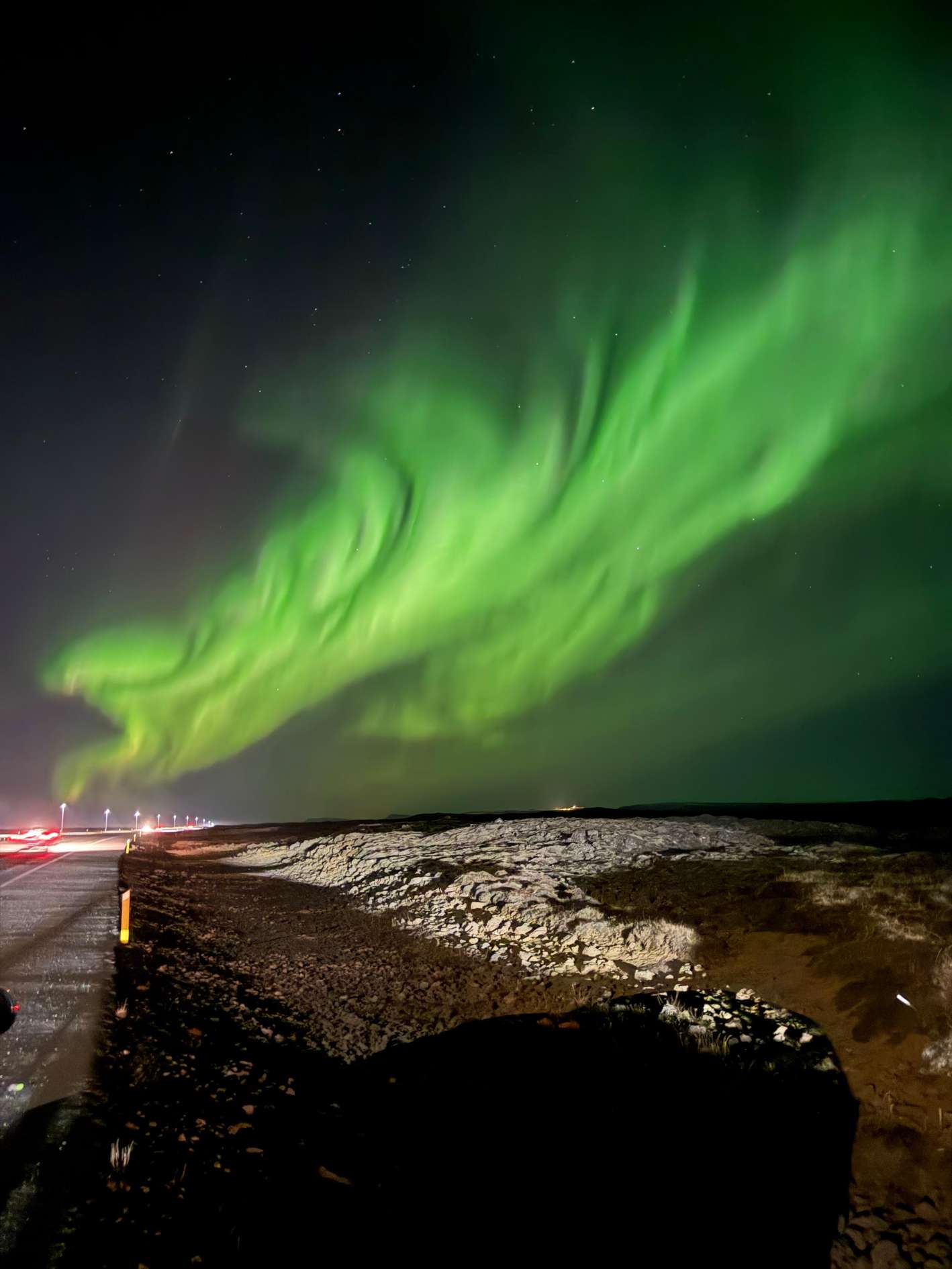
Midnight over Reykjavik harbour, and the sky splits green straight above the rooftops. It happens. On nights of strong geomagnetic activity, the aurora shows up over downtown, the harbour and the seafront, and you never pay for it or leave the city. People staying near the water simply walk out and look up.
The deciding number is the Kp index, the global measure of geomagnetic activity. Displays can reach central Reykjavik from around Kp 3, but a faint arc fights the streetlights until Kp 4, and from Kp 5 the lights can fill the sky even over the city parks.
During Kp 6 storms the city has occasionally switched off residential streetlights so residents could see better. The low figure counts any aurora visible from town; the higher ones count the nights the show stands out over the rooftops.
On an average night, the city glow keeps most of the show out of reach, and the display you wait hours for may last only ten or fifteen minutes.
So the honest plan is this: check the forecast that afternoon, and if a strong storm is coming, pick your seafront corner. If it is not, the later chapters about dark-sky escapes matter.
Clear nights with Kp 3 or more put displays over Hallgrímskirkja and the harbour, and the stronger the storm, the brighter they stand over the rooftops
Moderate to strong activity is visible above the city for free, and a guided chase adds dark skies and mobility on top of that access
It takes both clear skies and high geomagnetic activity at once; on an average night the city glow washes out a faint display

The Seltjarnarnes peninsula is where locals send you. Grótta lighthouse sits at its tip, about 50 to 60 minutes on foot from downtown or a short bus ride on route 11 from Lækjartorg.
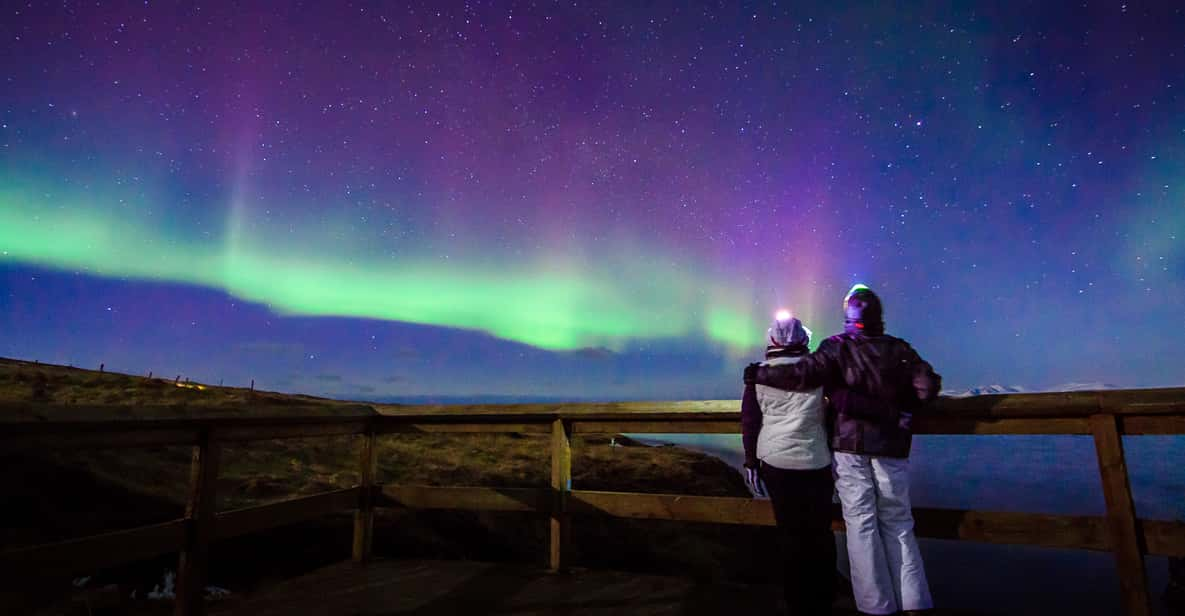
Stand at the water's edge and the city light dome falls behind you to the east, leaving an open northern horizon where the lights typically appear first.
Manage the expectations before you set out. Grótta is darker than the centre, and its light pollution still rates in the same high category as the rest of the capital.
On a marginal night, that residual glow is the difference between seeing an aurora and seeing nothing. The lighthouse tower does make a solid foreground for photographs, which is half of why photographers love this spot.
Two practical things shape the evening. There is very little shelter from wind and rain, so an insulated thermos of hot tea or cocoa earns its place in your bag. And the causeway out to the lighthouse submerges at high tide; after dark, people who go often watch from the mainland viewpoint.
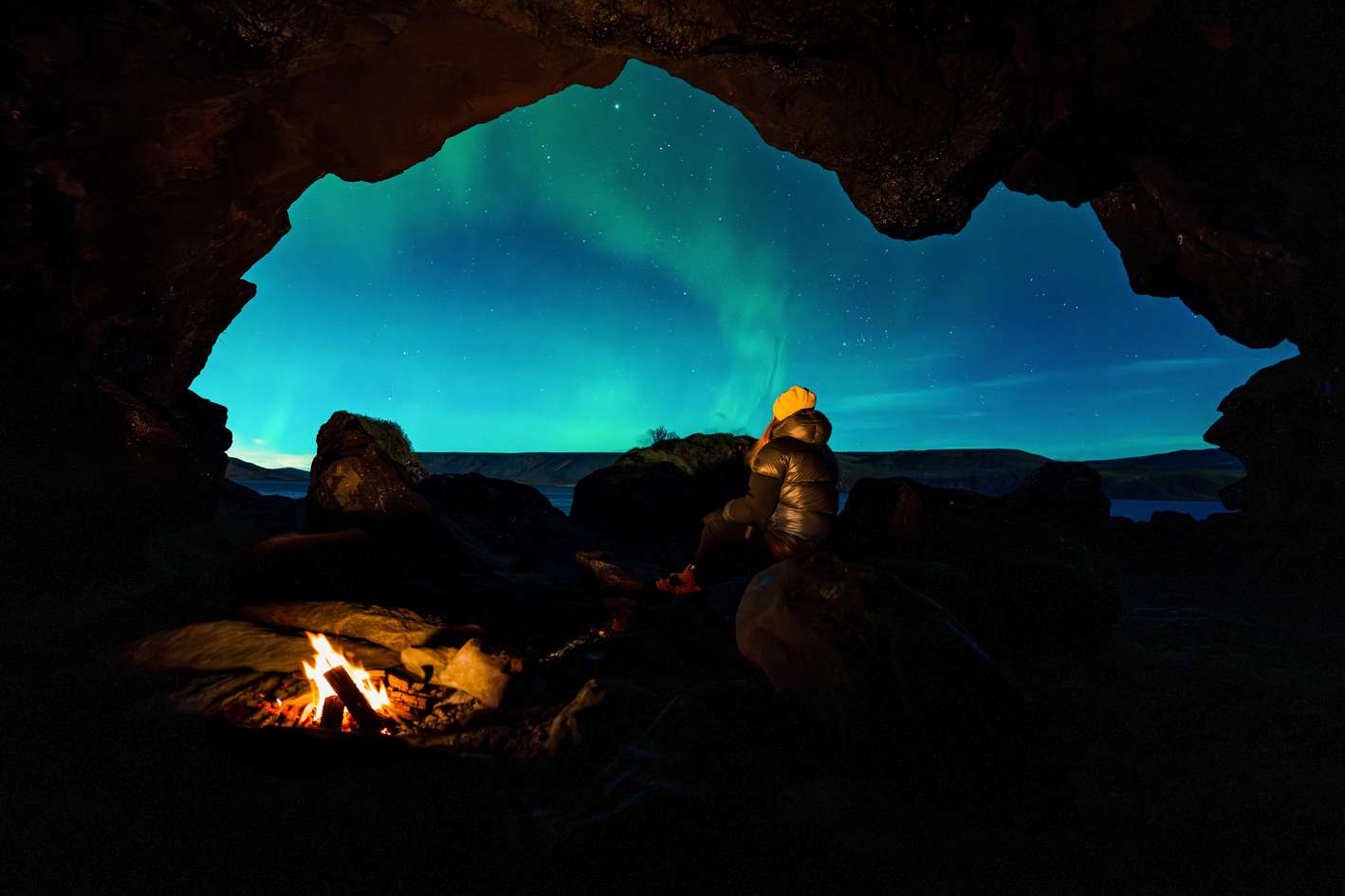
Along the shore sits Kvika, a small stone footbath the artist Ólöf Nordal filled with geothermal seawater at about 39°C. Soaking your feet in warm water while watching the northern sky, free of charge, is the detail people remember from this peninsula.
The tidal causeway to Grótta submerges at high tide Stay on the mainland viewpoint after dark; save the causeway crossing for daylight The nature reserve closes completely from May 1 to July 15 for bird nesting Visit in the aurora season instead; late August through mid-April Winter nights bring wind, slippery ground and little shelter Bring a headlamp, stick to clear paths and pack a hot drink


The Sun Voyager faces north across dark water, which is exactly the direction the lights arrive from. From central hotels on Hverfisgata it is a 9-minute walk north to the coast, or 8 minutes east from the Old Harbour along the flat paved path past Harpa.
When a strong display breaks, the stainless steel ship against the aurora is the photograph people cross town for.
The honest caveat is the streetlighting. Lamps along Sæbraut wash out fainter displays, so this spot asks for relatively strong activity. Treat it as a storm-night destination; on an average night the lamps win and a darker spot serves you better.
Modern phones handle a reasonably active display well, which is good news for anyone without camera gear. Night mode stabilises on the city lights in the frame, which act as a fixed reference.
Two tricks from people who shoot here often: shield the phone with a jacket or blanket to cut the ambient glow, and watch the histogram so the glowing metal of the sculpture does not blow out the long exposure. If the green channel clips, close the aperture or speed the shutter slightly.
The walk is short enough to decide on the night, and the two routes from town look like this:
A downtown vigil works best when you can be on the seafront within minutes of the sky igniting, and the waterfront path delivers exactly that.
Cold ends most city vigils early. The wind coming off Faxaflói Bay cuts through coats, and standing still for an hour lets it win. Öskjuhlíð hill solves that.
On colder winter nights, trees along the wooded trails around Perlan block the wind, and the forest canopy cuts city light, leaving darker pockets where the night sky shows properly. From most downtown hotels the hill is an easy evening walk.
The trade is the view. Inside the forest, the sky comes to you in pieces between the trunks, and the glass dome of Perlan glows above. Out at the top the view opens up, with noticeably less light pollution than the streets below.
Compare that with the open inner-city parks such as Klambratún. They give wider views of the sky than any street, but the light from the surrounding roads stays noticeable, so they suit moderate activity at best.
Locals also point to the quieter fringes of the city, pockets like Elliðaárdalur valley and Ártúnshöfði hill, where the light thins without any drive at all.
For a free night out, the choice is simple: open sky and wind at the parks, or shelter and darker pockets on the wooded hill.

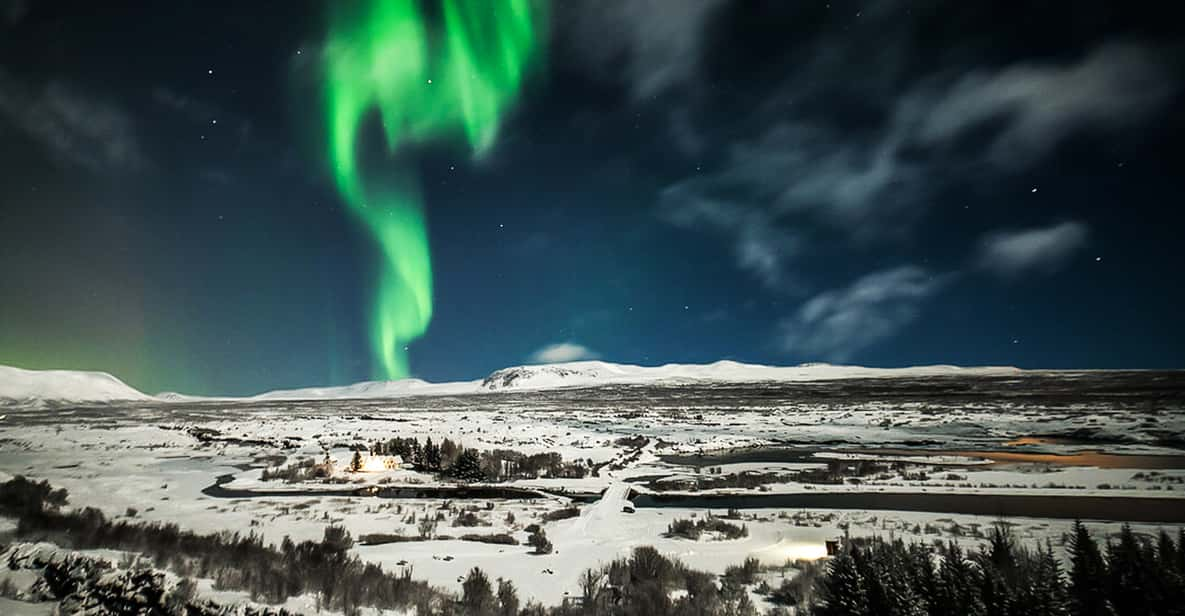
Now the real dark. Escape the city glow and weaker displays that vanish downtown become plainly visible, because the lake shore gives you the whole sky dome, not a slice between buildings. Three escapes cover most plans.
Lake Kleifarvatn on the Reykjanes peninsula is the darkest of the three: almost no buildings, very little light. The catch is winter upkeep. Road 42 is fully paved, but snow clearing runs only two days a week, so check conditions before you commit.
Parking is legal only in the designated pull-offs along the shore, with the car visible to other drivers; Iceland's road law prohibits stopping in a way that endangers traffic, especially in the dark.
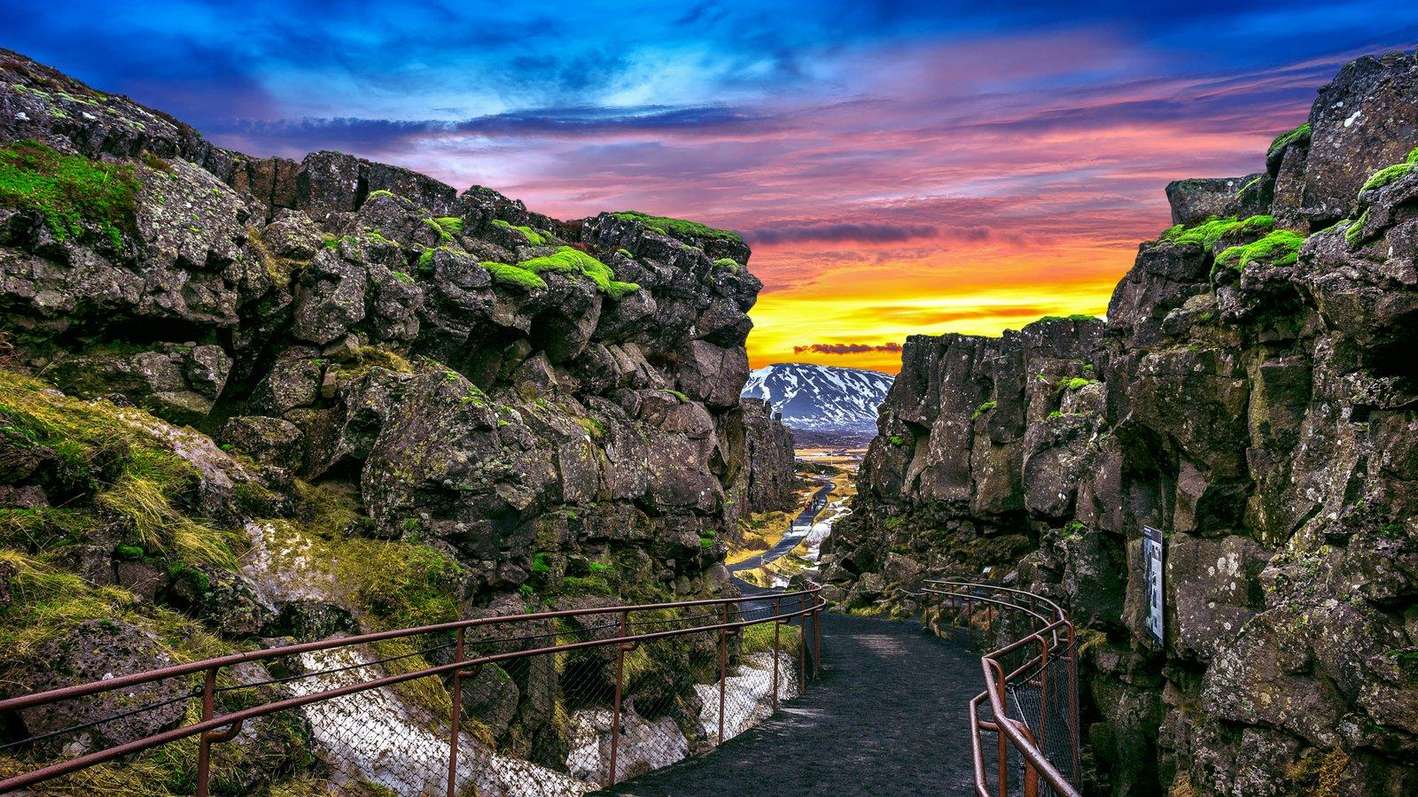
Þingvellir National Park is the convenient option, about a 50-minute drive, and a favourite for independent viewers. Hvalfjörður is the deep one: the fjord sits roughly an hour and forty minutes from central Reykjavik via Route 47, with darkness to match.
On an evening hunt, vehicles typically travel 30 to 80 km out, a 30 to 60 minute drive toward the Reykjanes peninsula, Þingvellir or Hvalfjörður depending on where the clouds break. Even fifteen minutes out of the city gets you into dark enough skies.
The distances decide how far a free evening can take you, and the fjord drive is the longest of them:
Hvalfjörður rewards a driver with real darkness. Without one, it sits at the outer edge of what a four-hour chase can comfortably reach.

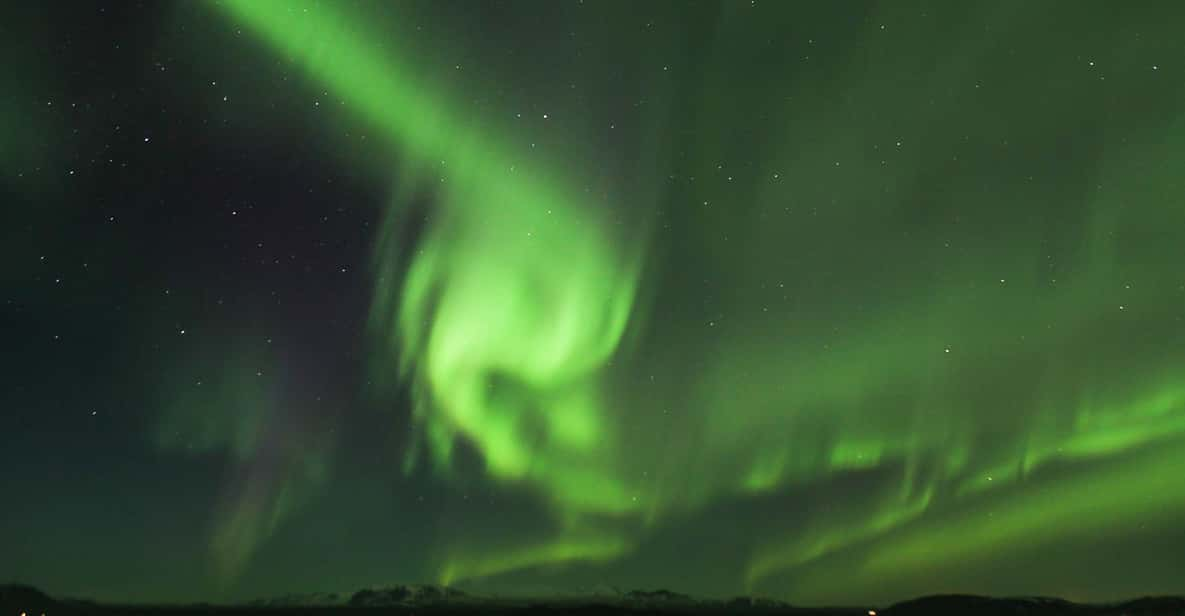
Iceland's weather is fiercely local. One valley sits under total cloud while clear sky burns thirty minutes away. A fixed viewpoint, no matter how dark, cannot do anything about that. A guide with a van can.
Mobile chases drive between microclimates all night, reading cloud models and heading west, east or inland wherever the gap sits. That is the whole advantage, and it is why the sighting rates on marginal nights favour the tours.
Timing helps them too. Displays peak between 10 pm and 1 am, centred on 11 pm, when magnetic midnight widens the auroral oval over Iceland. Sightings can happen any dark hour between roughly 9 pm and 2 am, but that late window produces the most frequent and intense shows.
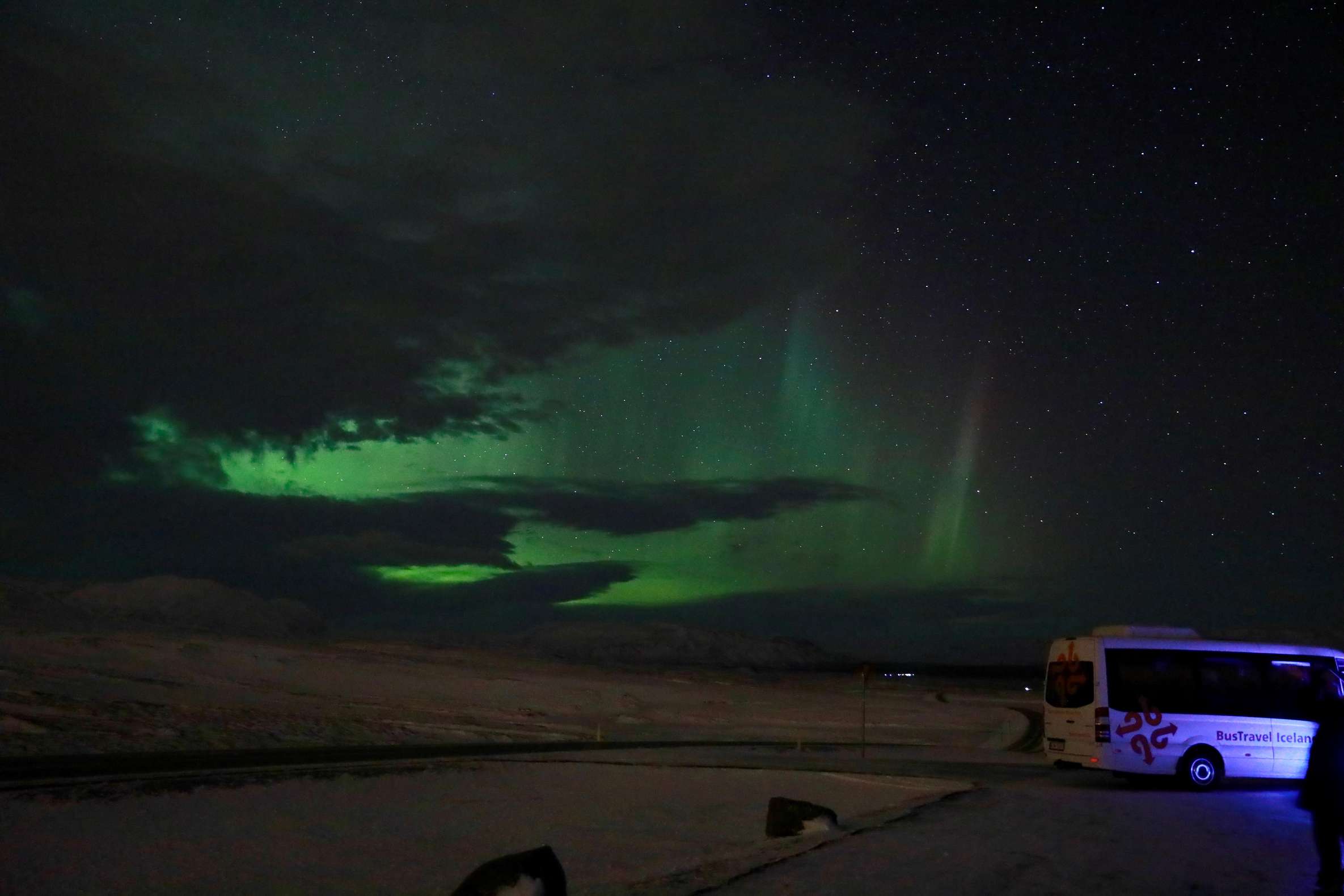
A chase such as From Reykjavik: Northern Lights Chase with Expert Guide runs 3.5 hours into the countryside away from the city lights, stopping at dark locations to view and photograph the aurora, with a free follow-up tour if nothing shows.
Book it for your first night in town, so the remaining nights stay free for the retry.
One lesson before you go: cloud cover beats the Kp number every time. A low reading under clear skies beats a storm forecast under overcast, and operators call off the night when no sensible route has a realistic chance of clear sky.
Check the Icelandic Met Office site for the cloud layers, which show total, low and middle cover in eighths.
When the night goes wrong, the terms on your ticket decide how much it costs you:
| If this happens | What happens then |
|---|---|
| The operator cancels before departure due to cloud or weather | A full refund or a free reschedule to another evening |
| The tour runs but no lights appear | Most operators offer a free retry tour rather than a refund; one lets you rebook free for up to 3 years |
| Cancellation day arrives with uncertain forecasts | Operators decide by late afternoon, some by 6:15 or 6:30 pm, and email before the evening |
| Your whole stay gets clouded out | If cancellation covers every night of your trip, the refund applies |
Read those terms before you book, because a retry is only worth anything if a later night of your stay is free for it.
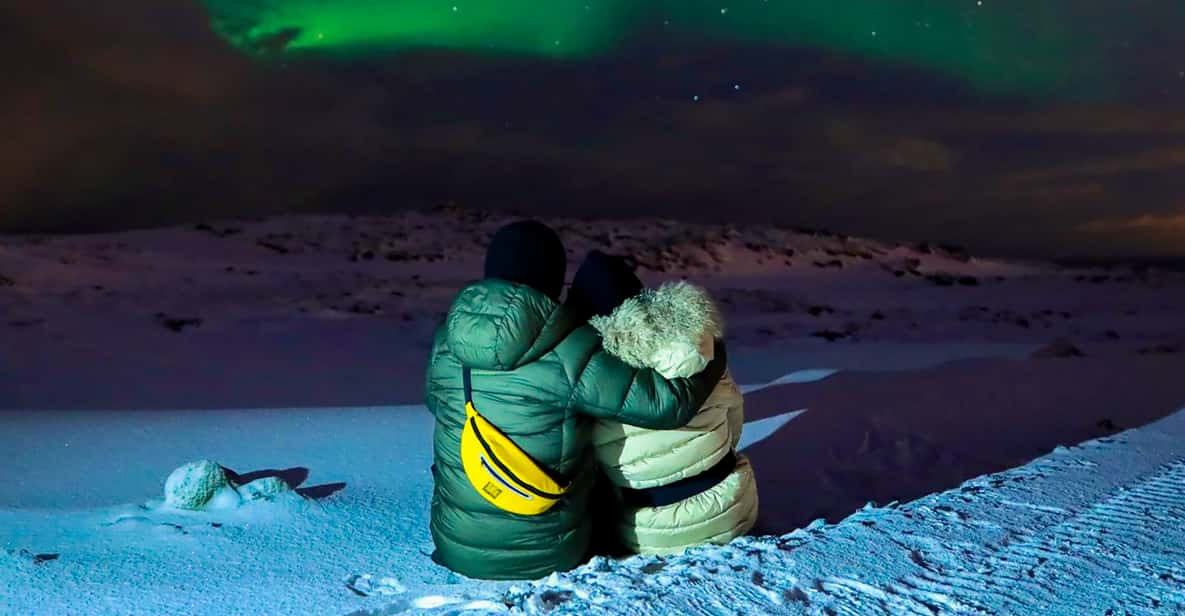
The physical reality of aurora hunting is standing motionless on frozen ground while the temperature sits below freezing, sometimes for hours, for a display that may last ten or fifteen minutes. Your body generates no heat when you stop moving, so the clothing carries you.
The system is three layers, and cotton is the enemy throughout. Jeans are the classic first-timer error: denim holds rain, sleet and snow against your skin, loses its insulation the moment it dampens, and the wind strips the heat straight off it.
Start with merino wool or synthetic thermals, top and legs. Add a fleece or wool mid-layer, or two. Finish with a windproof, waterproof jacket and trousers.
Feet matter most, because frozen gravel pulls heat through thin soles. Insulated, waterproof boots with thick soles, roomy enough for thick wool socks without pinching your toes. Then the extremities: a wind-blocking hat, gloves and a neck warmer.
Your phone and camera face their own enemy. Lithium batteries lose output in the cold, and a phone can shut down without warning even with charge left. Let a cold device warm indoors before restarting it, and never charge a frozen battery.
Here is the kit, layer by layer, as guides run through it:
Dress like that and three hours on frozen ground turns from an ordeal into a wait.
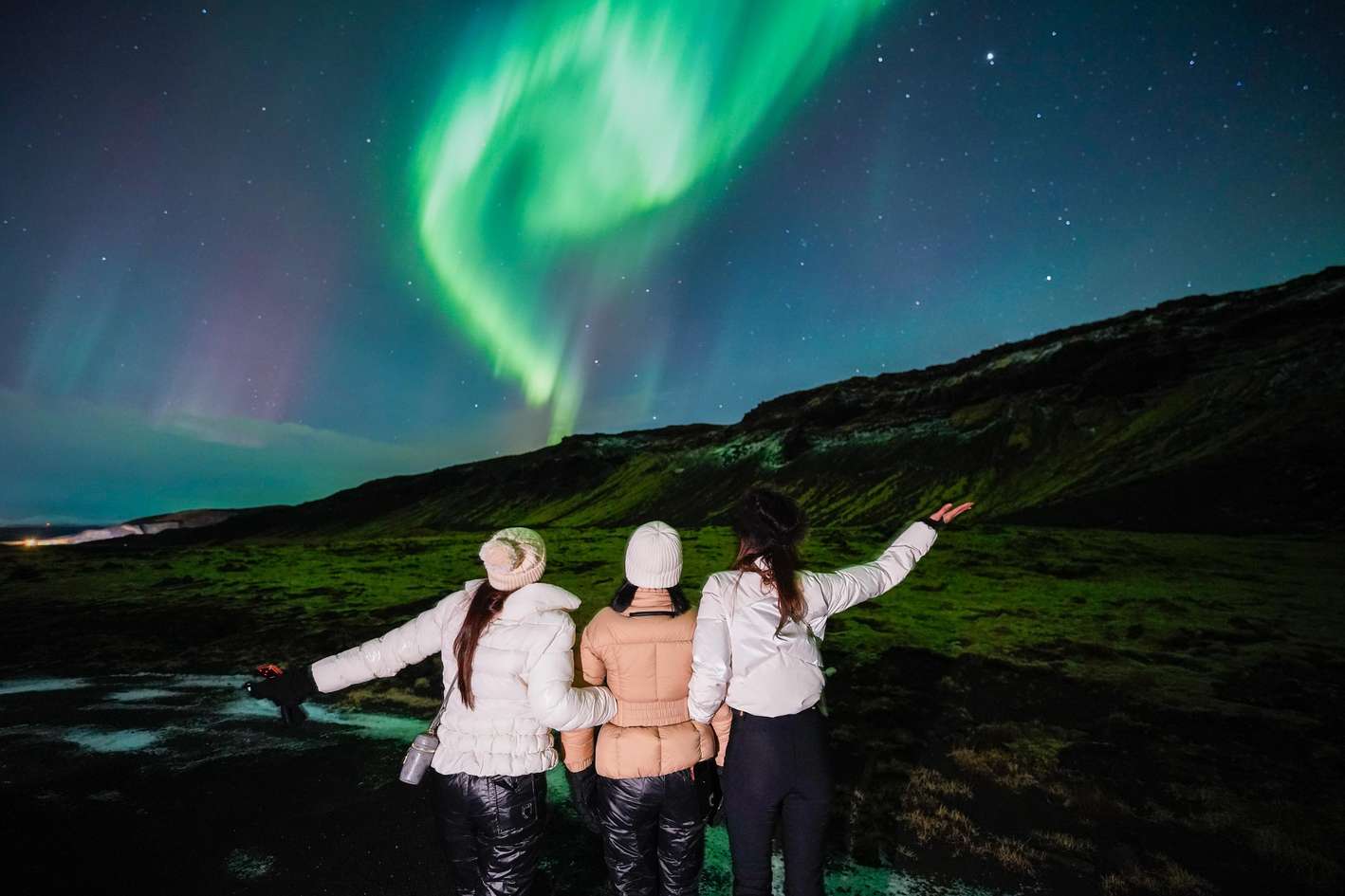
The self-drive case is real. A rental car gives you full control over departure time and location, lets you retry on several nights without paying per trip, and makes sense for groups of three or more or anyone already holding a car for daytime sightseeing.
Renting solely for one evening hunt, though, is poor value against a tour ticket.
Against that sits the road. Black ice, blowing snow, extreme crosswinds, guardrail-free stretches. Dark rural roads carry a genuine risk of sliding into a ditch or losing control, and pulling onto a soft snow shoulder can trap a vehicle on hidden ice.
A guided tour handles forecasting, routing and road safety, and hands back the late-night drive after hours in the cold.
If you do drive, the independent hunters' rules are few and firm. Scout your spot in daylight so you know the layout before pitch-dark. Park fully off the road, clear of driveways and with headlights angled away from other watchers.
Check cloud maps and road conditions before leaving. And keep to marked routes: regular rental 4x4s are not permitted on winter F-roads into the highlands, which stay impassable anyway.
Confident winter drivers can even base outside the city, in a town like Selfoss, and chase on their own schedule. Everyone else does better leaving the wheel to a local.
Pitch-black country roads hide turns, pull-offs and hazards; seeing them by day saves a dangerous surprise at night
Stopping in the roadway or blocking a rural drive creates real hazards and frustrates the people who live there
Hidden ice under the powder can trap the vehicle or make turning around impossible
Lights shining toward other stargazers ruin the night vision everyone out there depends on
With the chase starting around 9 or 10 pm, the hours before belong to the city.
A soak at Sundhöllin, the historic downtown pool with rooftop hot tubs under the Hallgrímskirkja tower, or at Laugardalslaug, the city's largest pool complex, warms you through before a night in the cold. Just two miles of comfort before you ask your body to stand still again.
For the aurora itself before the aurora, two indoor stops do the job. Perlan runs the Áróra planetarium show, a simulation of the northern lights that delivers regardless of clouds or daylight, alongside an ice cave and glacier exhibits.
Aurora Reykjavík, the northern lights centre on Grandi, explains the science and the photography with touch-screen displays and immersive films, useful preparation if you plan to shoot the real thing.
Grandi and the harbour also hold the whale museum with life-sized models, a lava show with molten rock poured live, and enough seafood counters and waterfront bars to fill a dinner hour. A few smaller stops sit within easy reach too:
And if the sky refuses all week? The museums and pools mean the trip still holds together, and the free retry on the tour keeps the aurora debt open for another evening.
The free city spots earn their keep on Kp 4 or higher nights, and Grótta plus Öskjuhlíð give you dark pockets and wind shelter within reach of any downtown hotel.
On an average night, the glow wins, and a guided chase that follows the cloud gaps 30 to 80 km out is the dependable way to actually see the lights. Book for your first night, dress in wool, and the rest is patience.

one operator lets you retry free for 3 years
A coach or minibus picks you up in town and drives the icy roads for you, chasing whatever clear patch the night gives.

See how a boat or yacht trip takes you over dark water in the bay, away from the streetlights along the shore.
Find out where a 4x4 super jeep can go that a bus cannot, reaching remote snowy tracks when the far corners clear up.
Prefer a smaller group than a 50-seat coach? This page compares minibus trips with fewer passengers and more personal attention.
Read how a private guide and vehicle run the whole evening on your schedule, moving wherever the forecasts point.
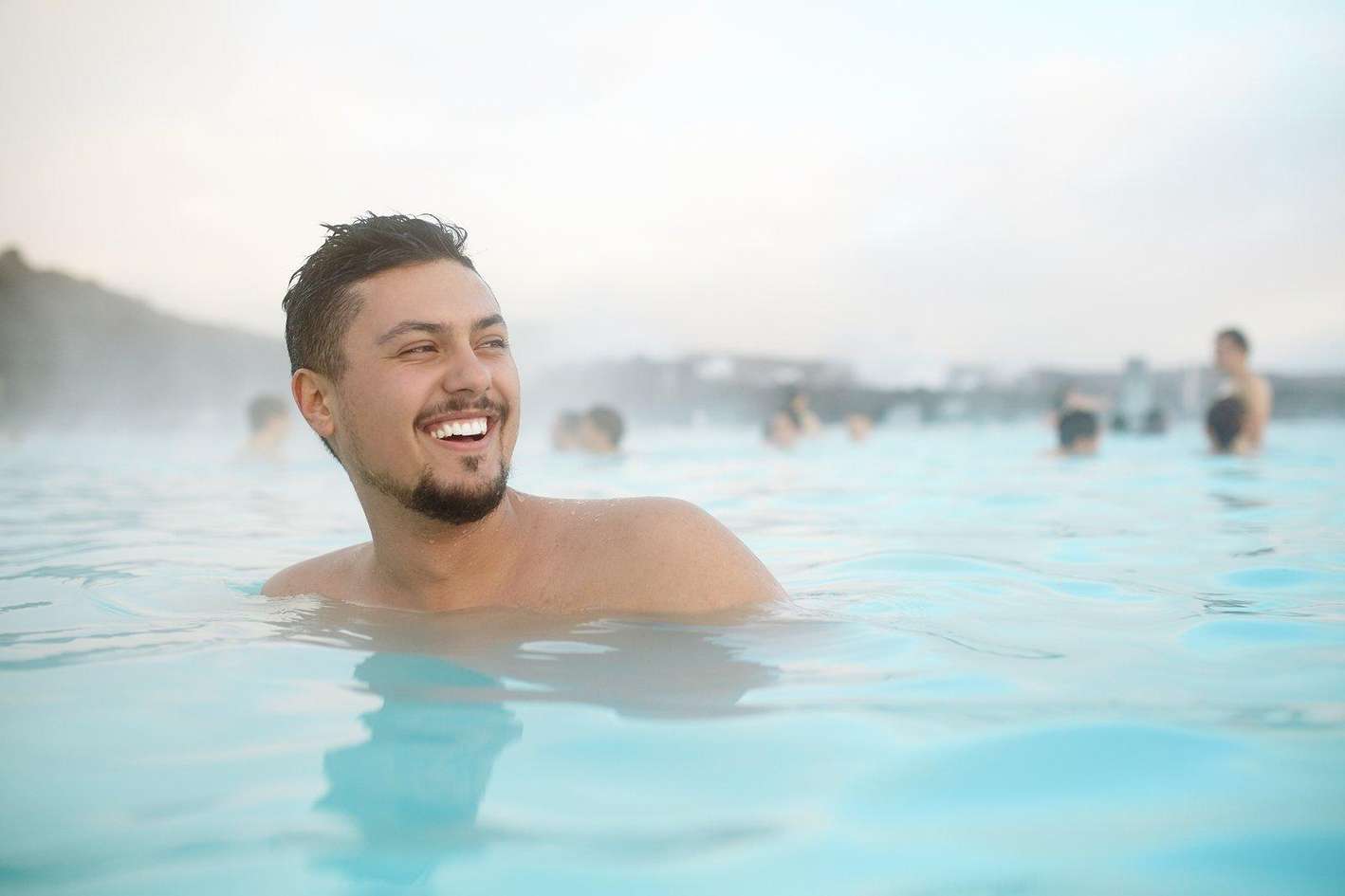
See how a soak in the geothermal spa pairs with an evening hunt, so the warm-up and the chase share one day.
best odds 10 pm to 1 am
Short answers to what people ask before choosing a viewpoint.
 Reykjavik2026
You can, on the right night. Moderate to strong geomagnetic activity shows up over the city centre, and during Kp 4 storms the aurora is visible even from your hotel door. Faint displays, though, get washed out by streetlights and illuminated buildings.
Kp 3 events are sometimes visible in the city, and Kp 4 or higher makes central Reykjavik viewing realistic. At Kp 5 the lights can appear overhead in city parks, and exceptional Kp 6 displays shine through even the light dome.
The Sun Voyager sculpture faces north across dark water, a 16-minute walk from City Hall, and the shoreline by Harpa also works. Grótta Lighthouse on the Seltjarnarnes peninsula, about a 10-minute drive out, has darker skies with lower light pollution than the centre.
Yes. The lighthouse tower gives you a solid foreground subject against the open northern horizon. Bring a headlamp and check the path for ice, and stay at a mainland viewpoint if footing looks doubtful, because the causeway out to the lighthouse floods at high tide.
It is a small stone pool of warm geothermal seawater along the coast near Grótta, made by artist Ólöf Nordal. The water sits around 39°C (102°F), there is no charge to use it, and you can soak your feet there while watching the sky in winter.
Öskjuhlíð Hill. The wooded trails there block the wind on colder winter nights, and the trees also cut some of the city glow, leaving darker pockets of sky. It is about a 34-minute walk or 8-minute drive from downtown.
Streetlights and building glow lower the contrast against the aurora, and a faint display often looks like a milky grey arc to the naked eye even when your camera catches it as green. Escape to countryside dark-sky sites and the colors come through much brighter and sharper.
Shield your phone setup with a jacket or blanket to cut the ambient light, and use night mode with the city lights in frame so the image stabilizes. Keep an eye on the histogram and underexpose if the green channel blows out against glowing metal like the Sun Voyager.
The peak window runs from 10 pm to 1 am, with the highest odds around 11 pm, when the auroral oval reaches its widest extent. Sightings are possible any time between roughly 9 pm and 2 am.
Only on clear nights with real solar activity, and coastal cloud cover often sits over that area while inland skies stay clear. Treat any display from the water as a lucky bonus and plan your main aurora night around a dark inland location.
A fixed viewpoint only works when the sky above it is clear, and weather in Iceland can be overcast in one place with clear skies thirty minutes away. Guides read cloud forecasts and drive between valleys and microclimates to reach the openings, usually 30 to 80 kilometers out.
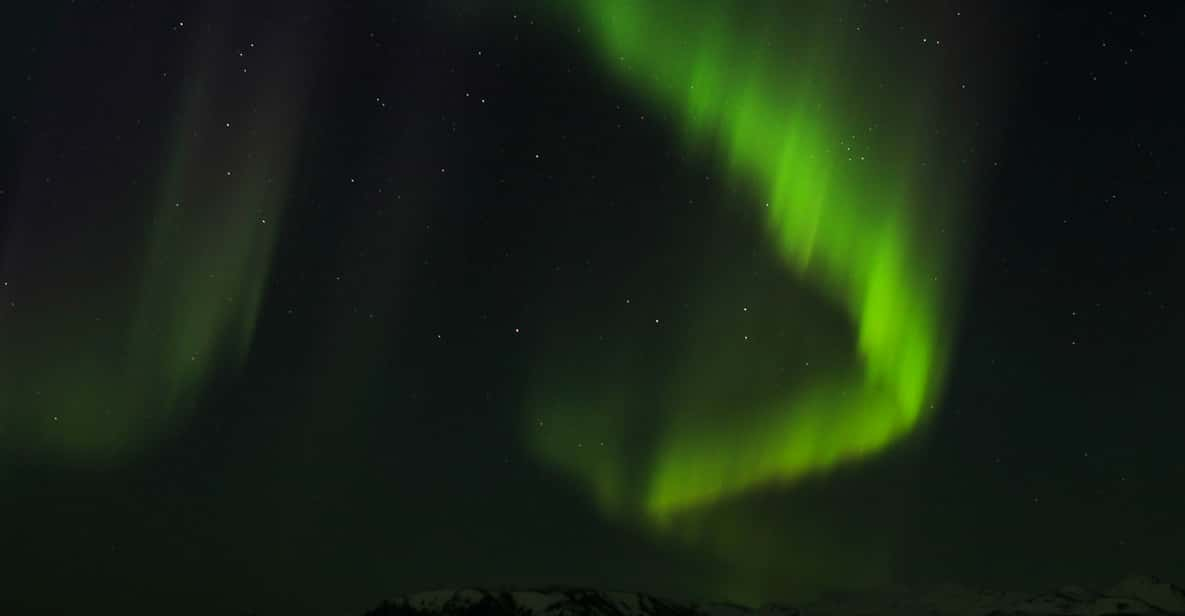
free retry tour if the first night draws a blank
A four-hour guided hunt from the city's dark spots, with hot cocoa on board, hotel pickup, and a free retry if the sky stays quiet. Cancel up to 24 hours ahead for a full refund.