Iceland Northern Lights and Blue Lagoon Tour - Geothermal Spa Visit
Soak in the geothermal lagoon, chase the aurora across five days, and let one booked itinerary handle the rest. Winter entry slots sell out fast, so book your iceland northern lights and blue lagoon package now and keep your evenings free for clear skies, not logistics.
Choosing an Iceland Blue Lagoon and northern lights package
the lagoon holds 37 to 40°c midwinter
Two multi-day routes pair Iceland's big sights with evening aurora hunts. The five-day tour treats the Blue Lagoon as an optional add-on you choose, while the six-day trip includes it in the itinerary. Both drive the South Coast by day and search for the lights after dark.
sell-outThe Blue Lagoon's winter admission slots often sell out days in advance, so a walk-up visit can leave you without a soak.
Book your entry slot at least 1 to 2 weeks ahead for regular winter dates, and 3 to 4 weeks ahead for Christmas and New Year, or take a package that bundles the admission with a set time slot.
Multi-Day Iceland northern lights and Blue Lagoon packages
book the lagoon slot 1 to 2 weeks ahead in winter
Best multi-day value
5 days·English
5.0(11)
From Reykjavík: 5-Day Northern Lights Hunt & Glacier Lagoon
Five full touring days with hotel nights in Reykjavik and the Vík area, plus the glacier lagoon, for the lowest price of the two.
Free cancellationFree Wi-Fi on boardExpert guidance from a professional local guide
What you'll see on an Iceland blue lagoon and northern lights tour
bring swimwear if you add the spa visit
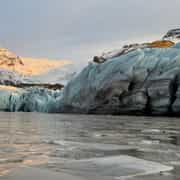
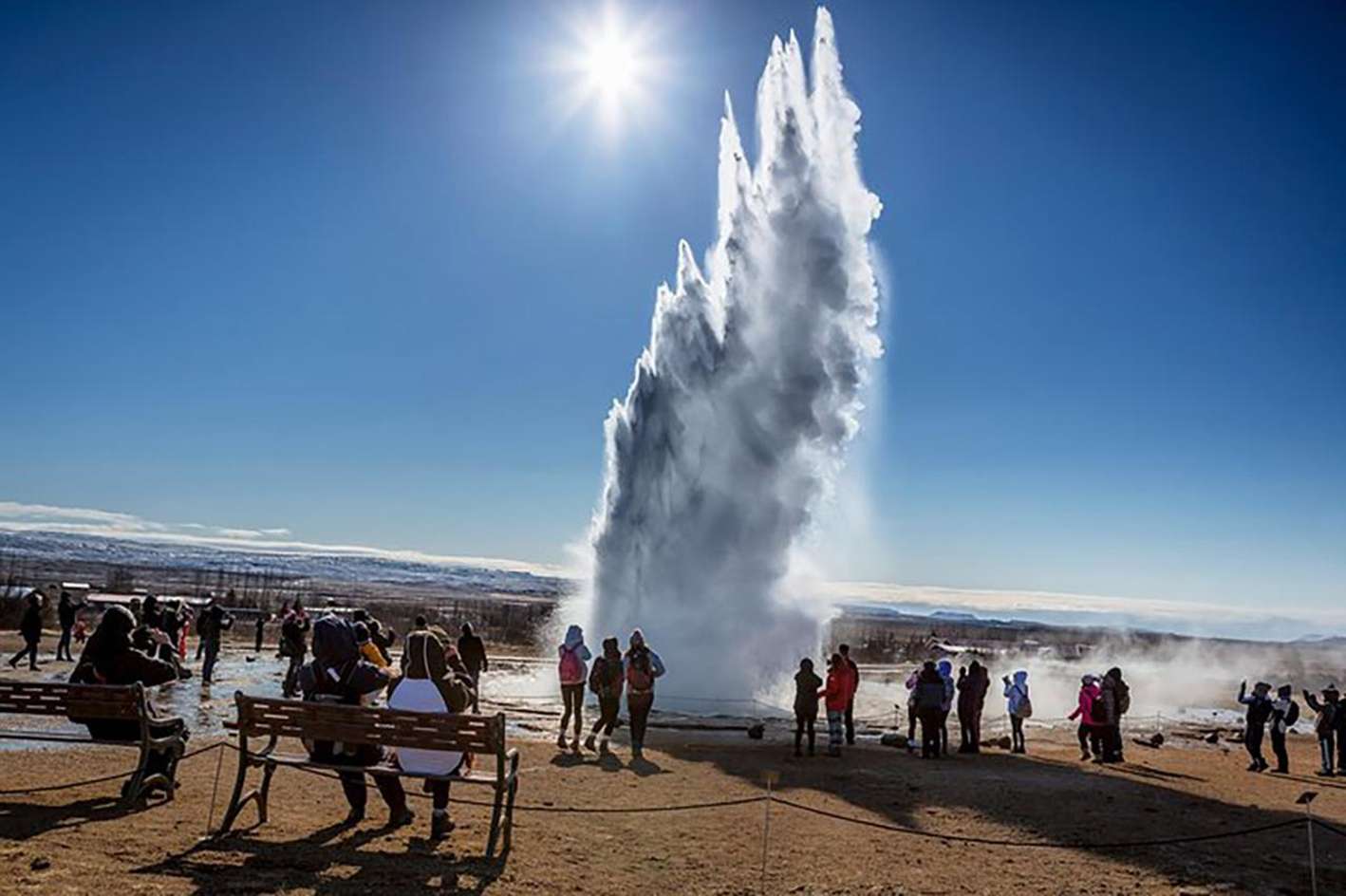
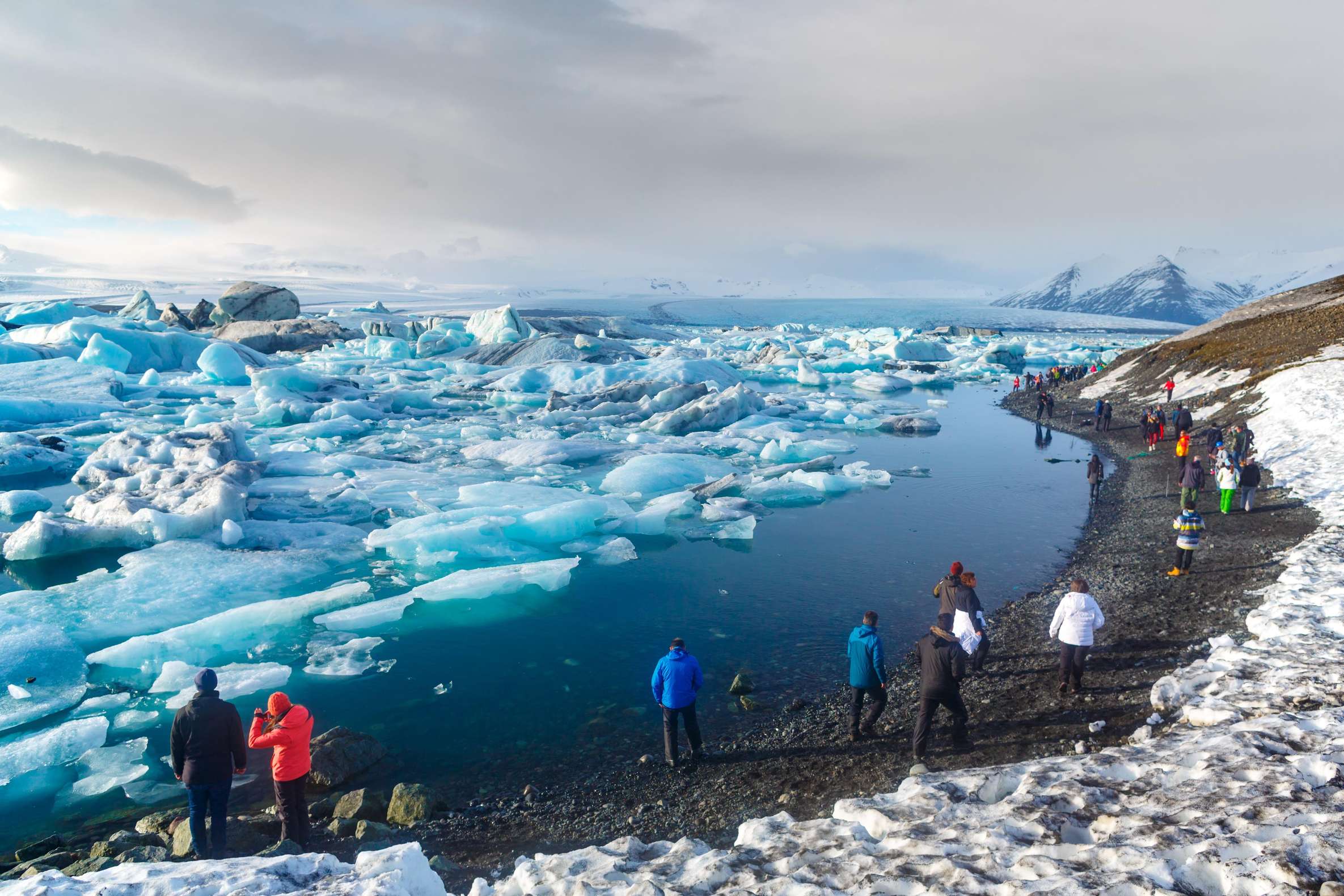
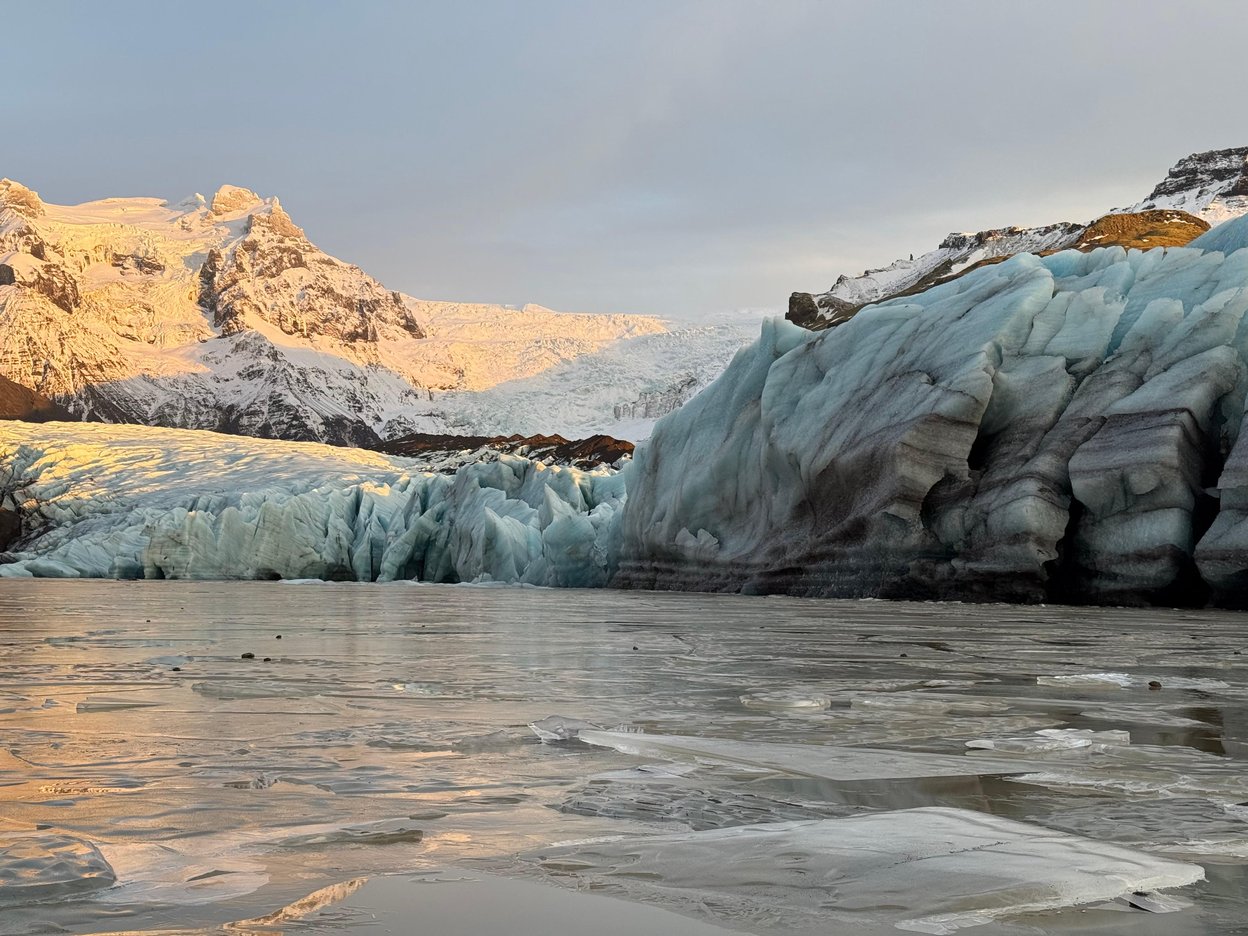
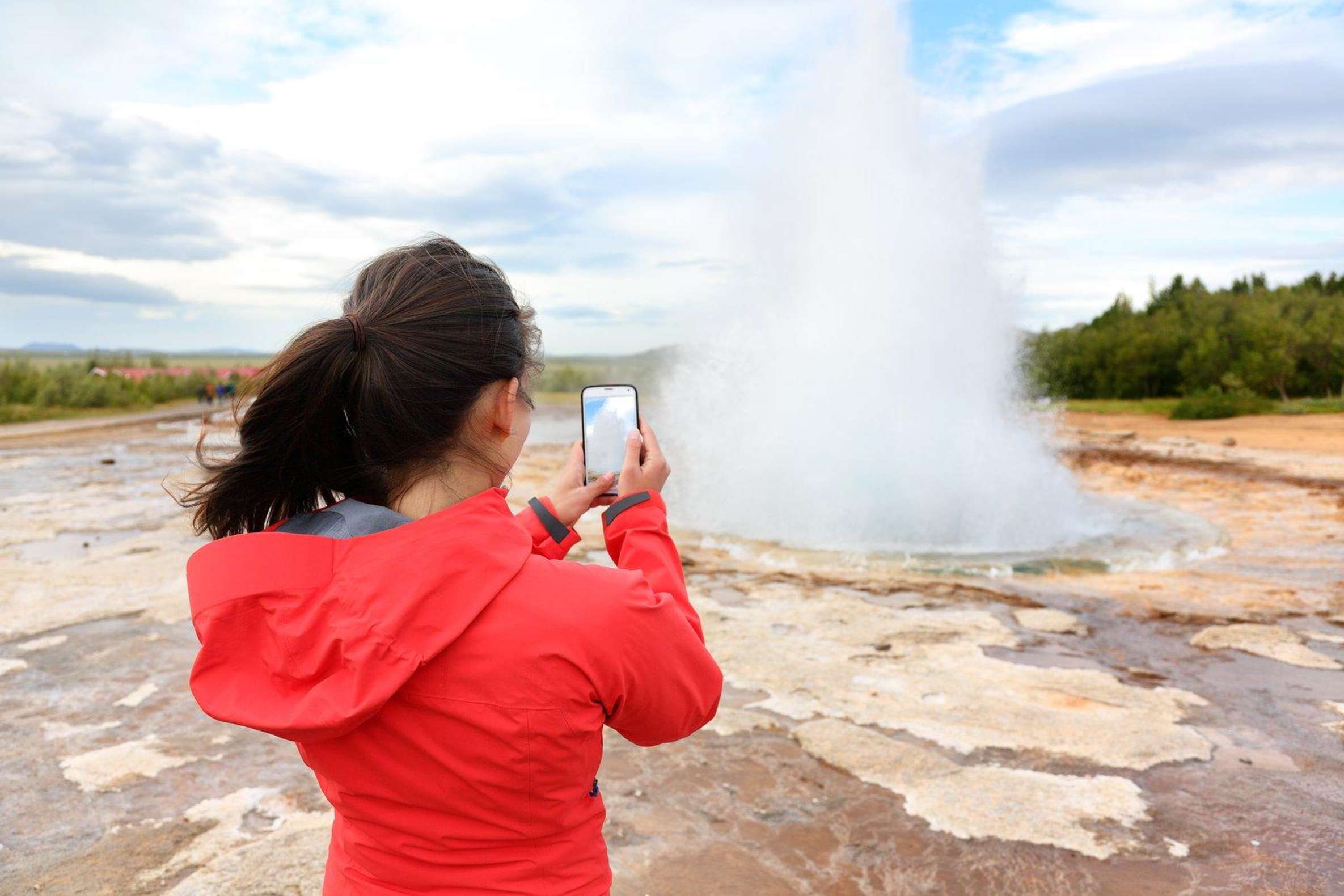
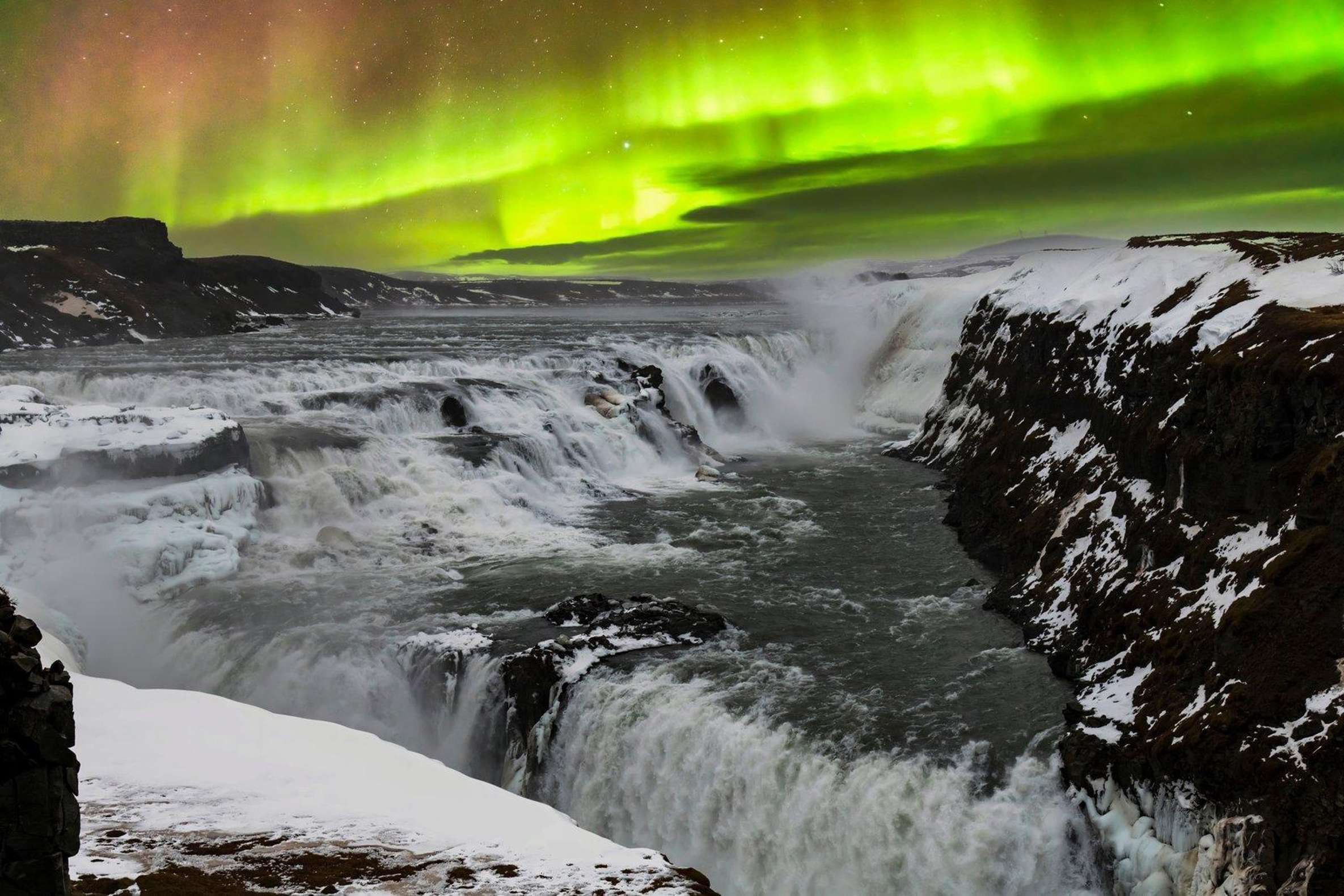
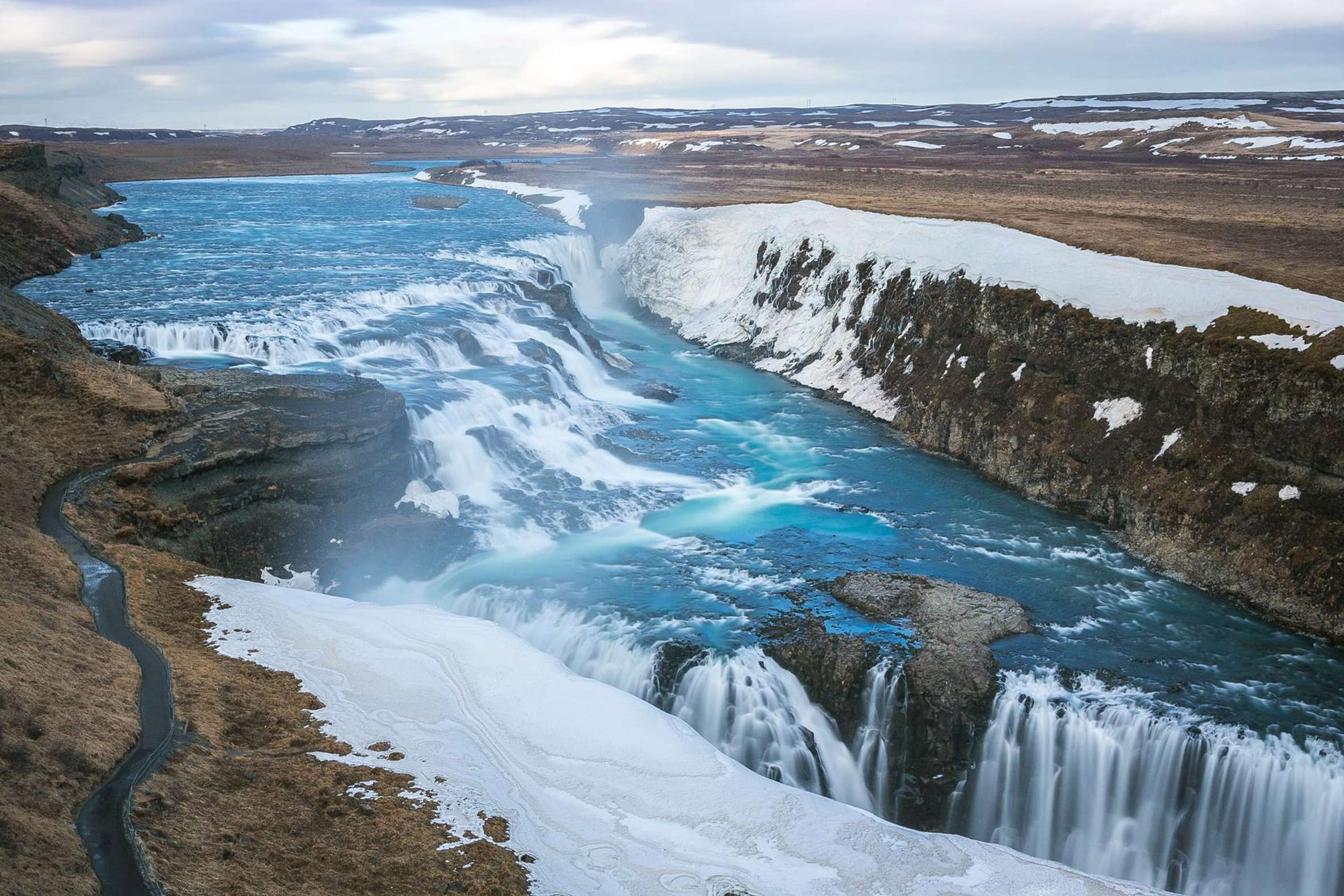
Five days, one guide, and a route that runs from the hot springs of Geysir to the icebergs of Jökulsárlón glacier lagoon. You sleep in Reykjavík for two nights and in the Vík area for two more, so the aurora hunt happens over several evenings instead of one.
The silica-rich lagoon on the Reykjanes peninsula is an optional extra, and so is a Blue Ice Cave experience on Vatnajökull glacier.
You travel in a spacious modern bus with Wi-Fi and no limits on luggage, picked up at your hotel or a nearby bus stop. Breakfasts at the hotels are included. The lights are a natural phenomenon and can't be guaranteed, but you can cancel up to 24 hours ahead for a full refund.
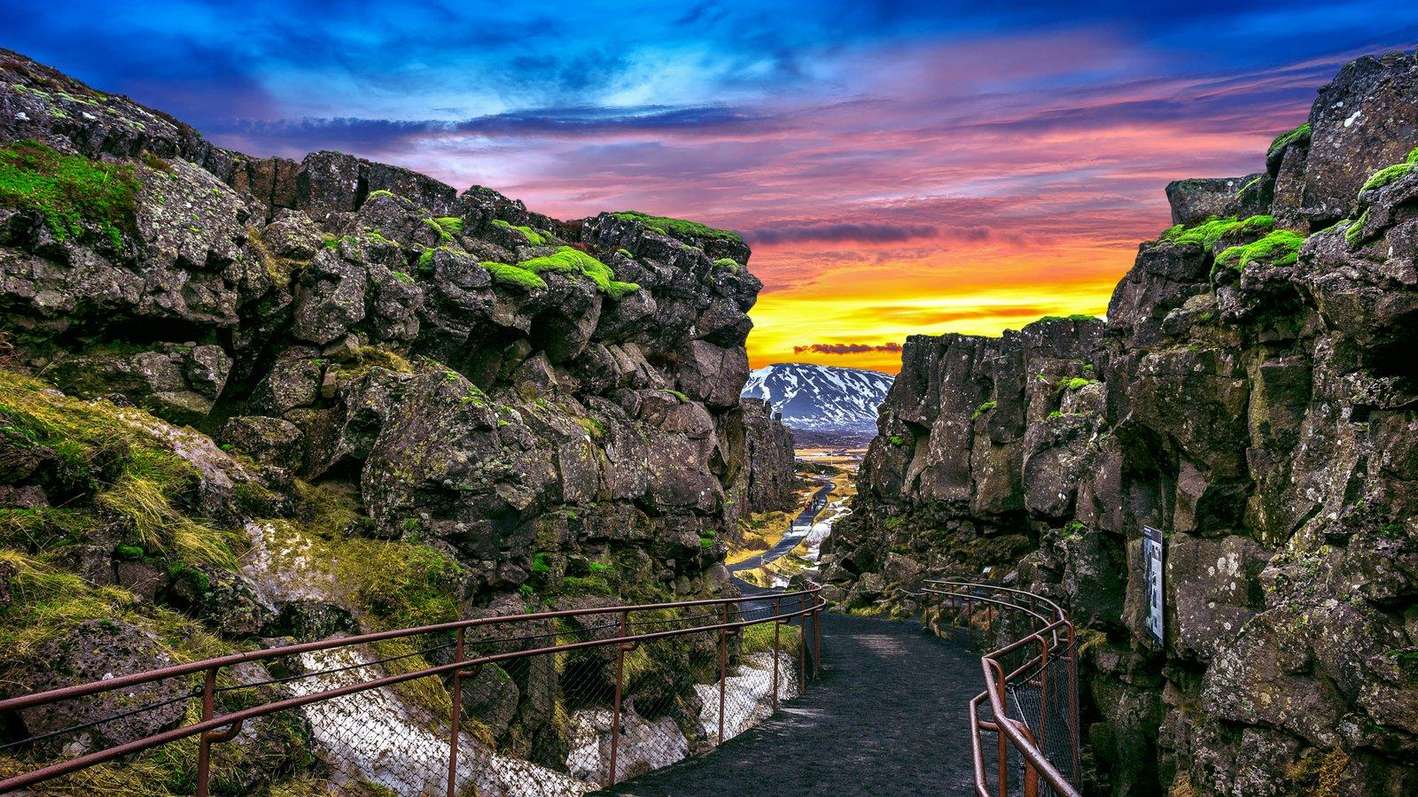
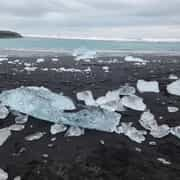
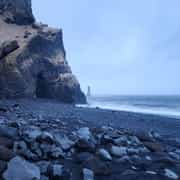
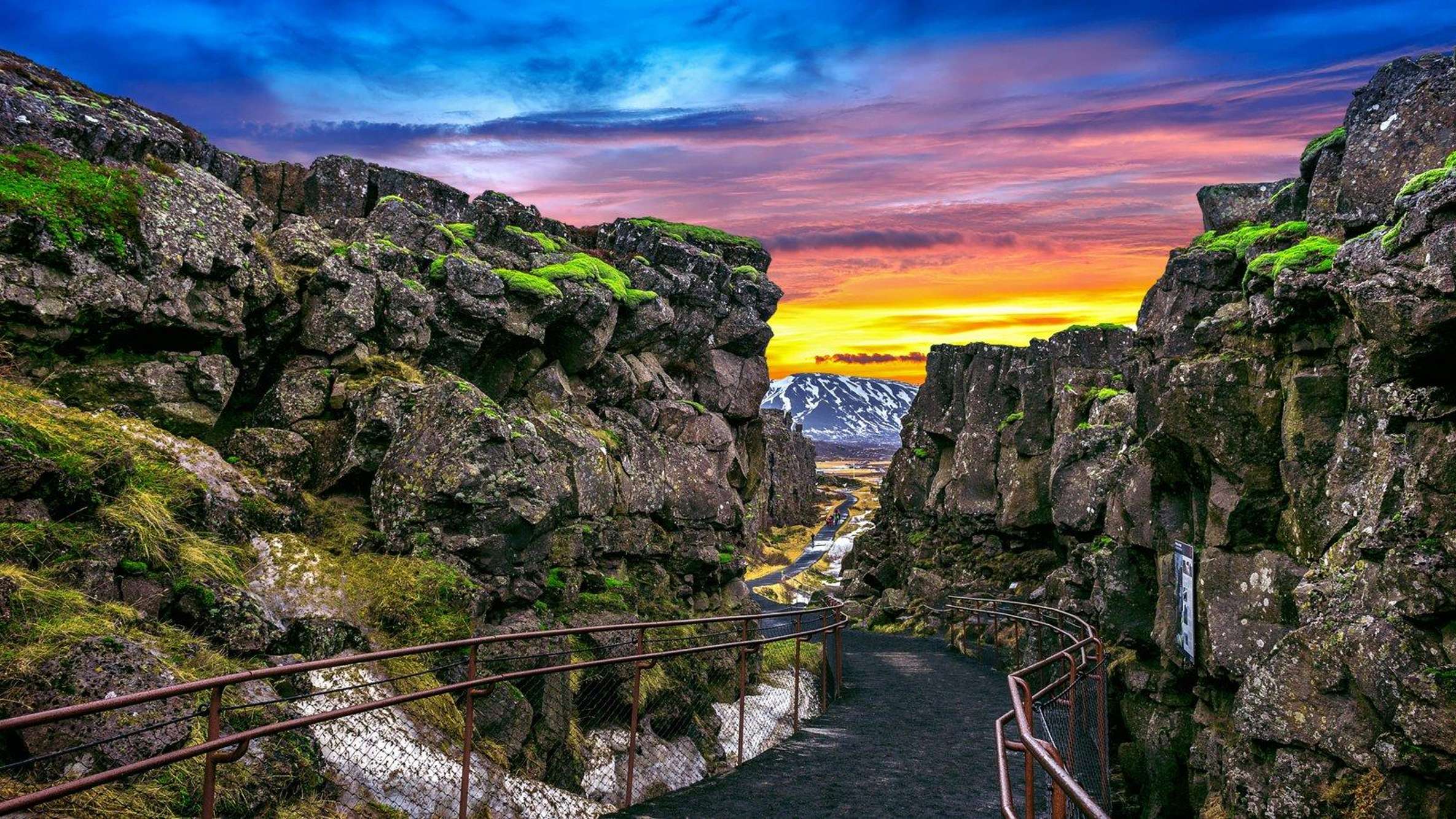
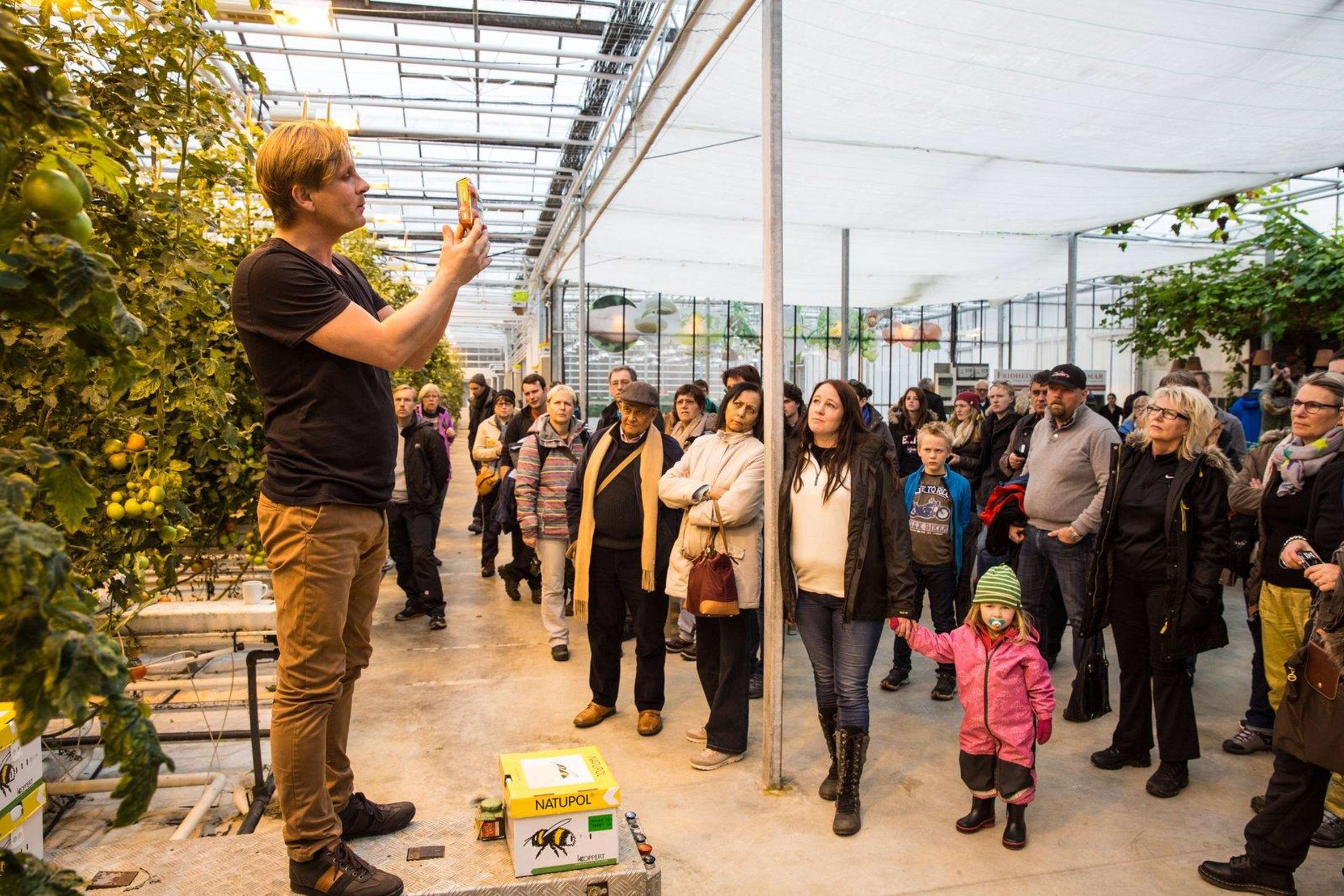
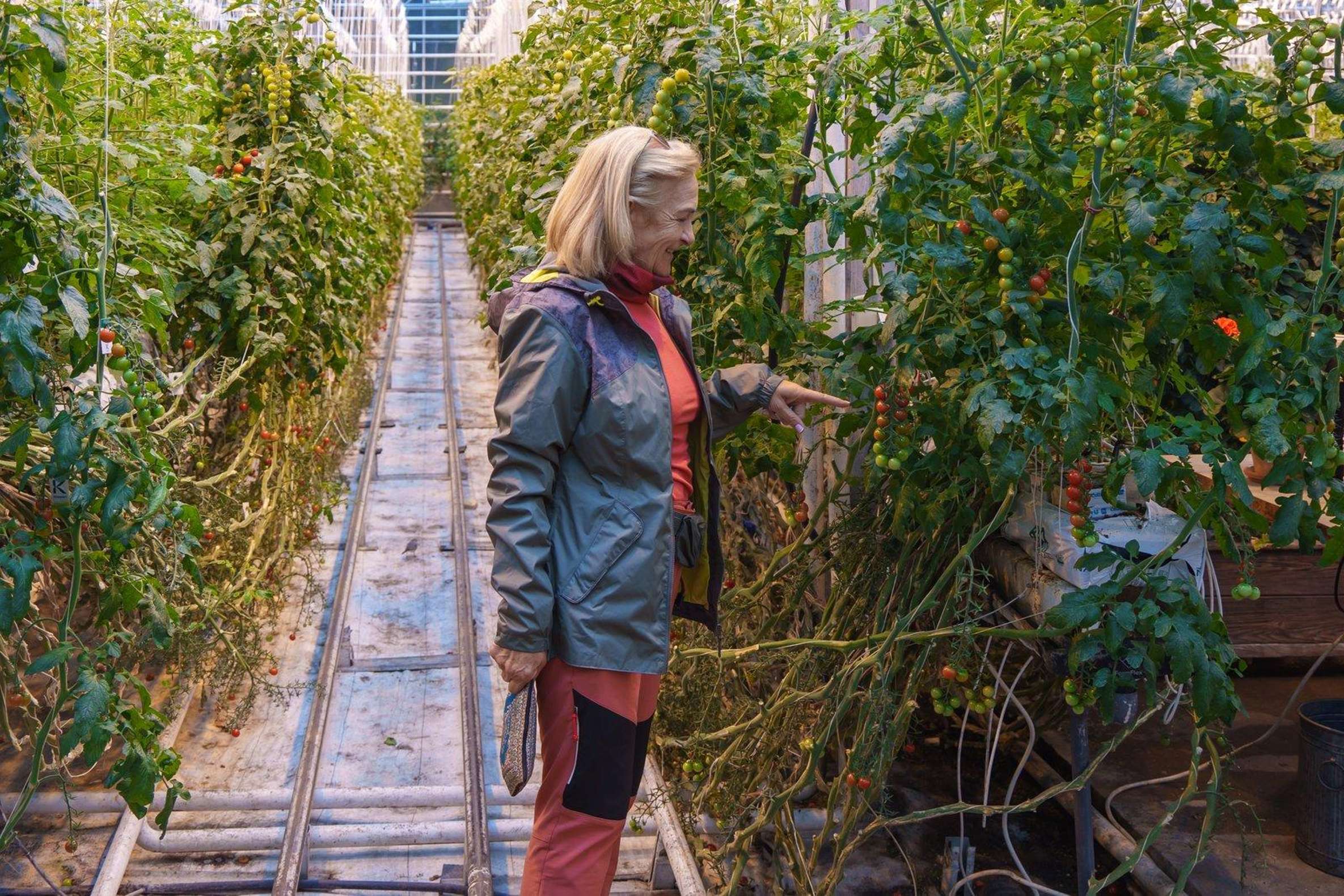
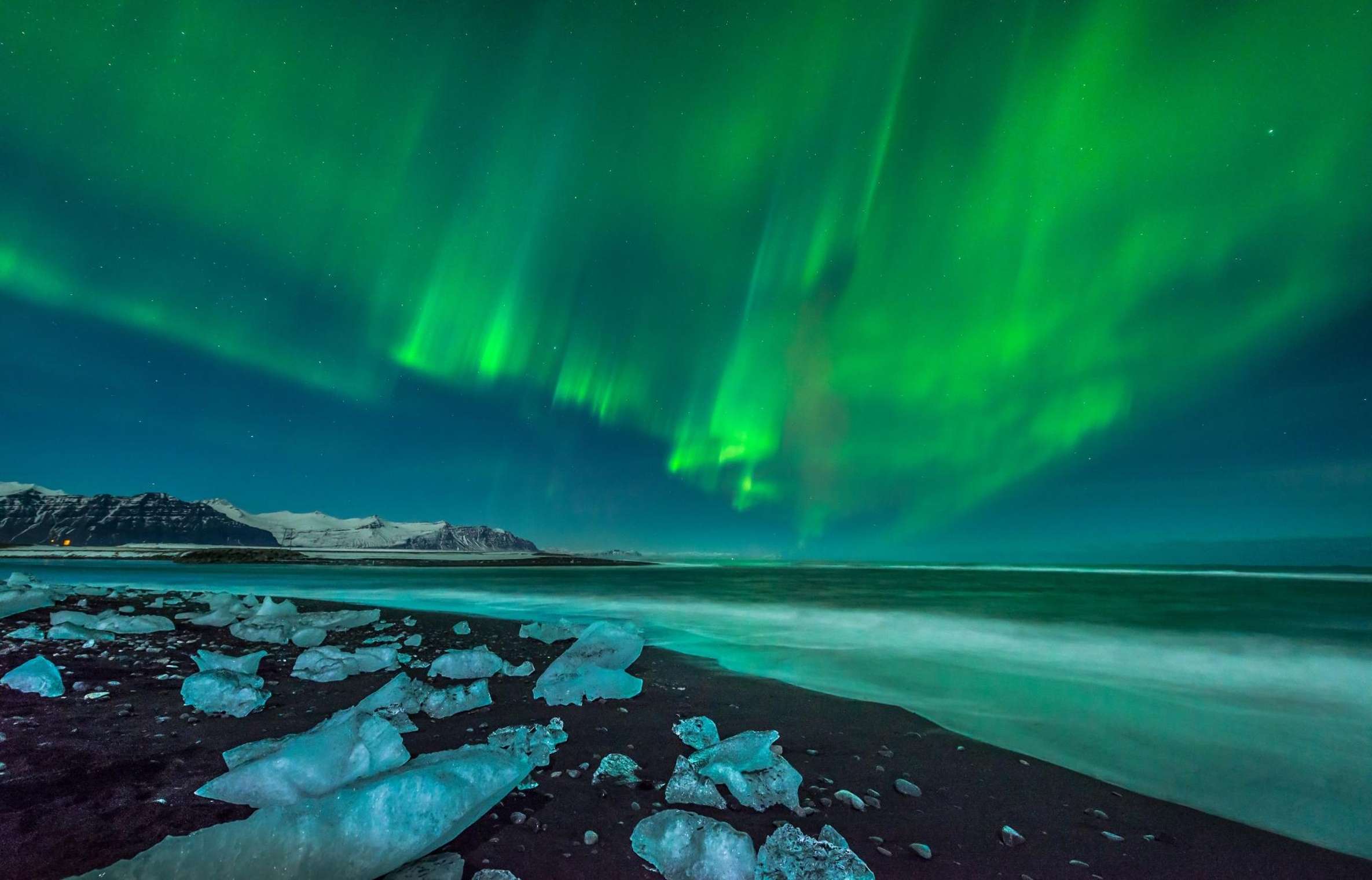
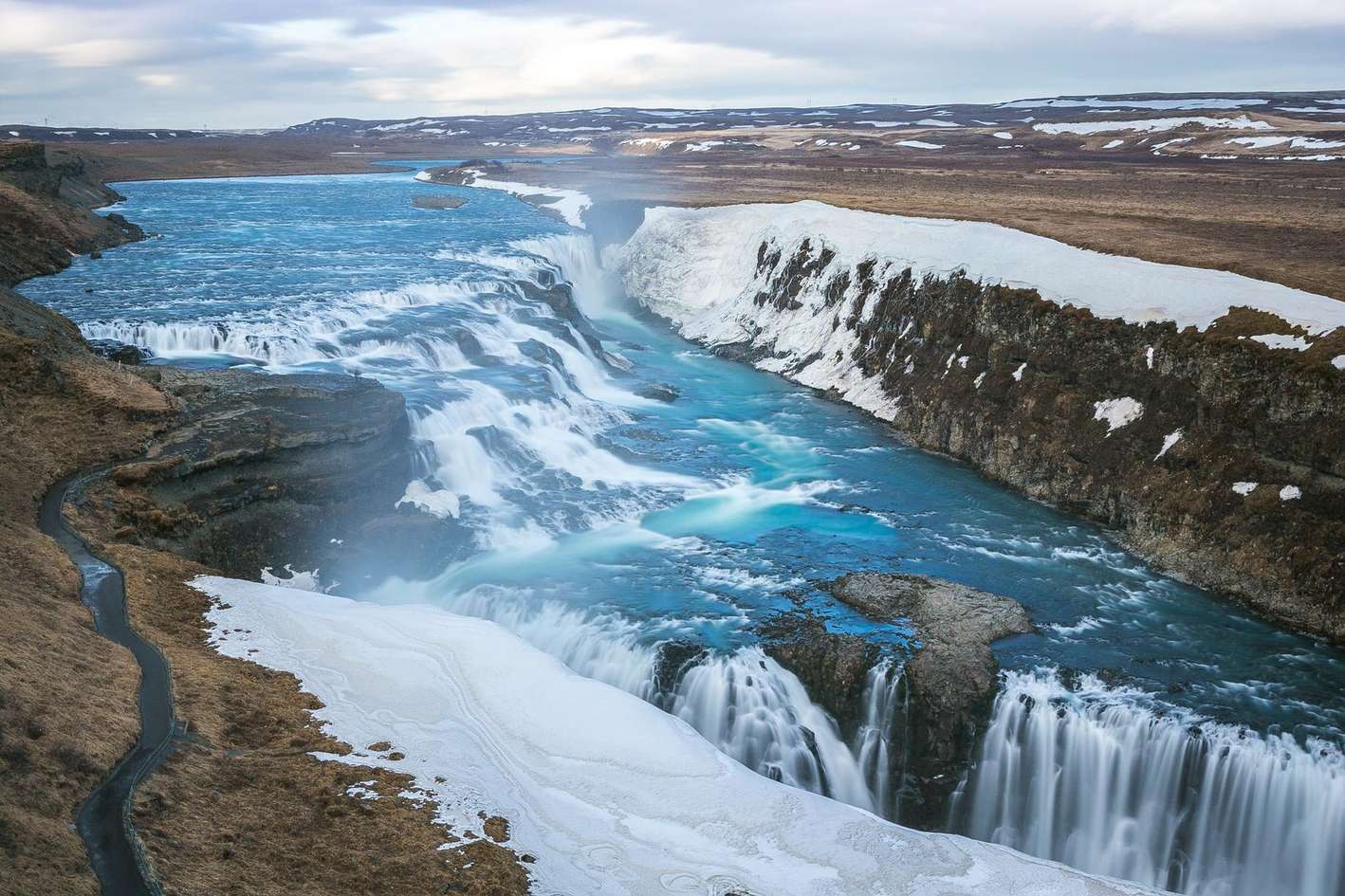
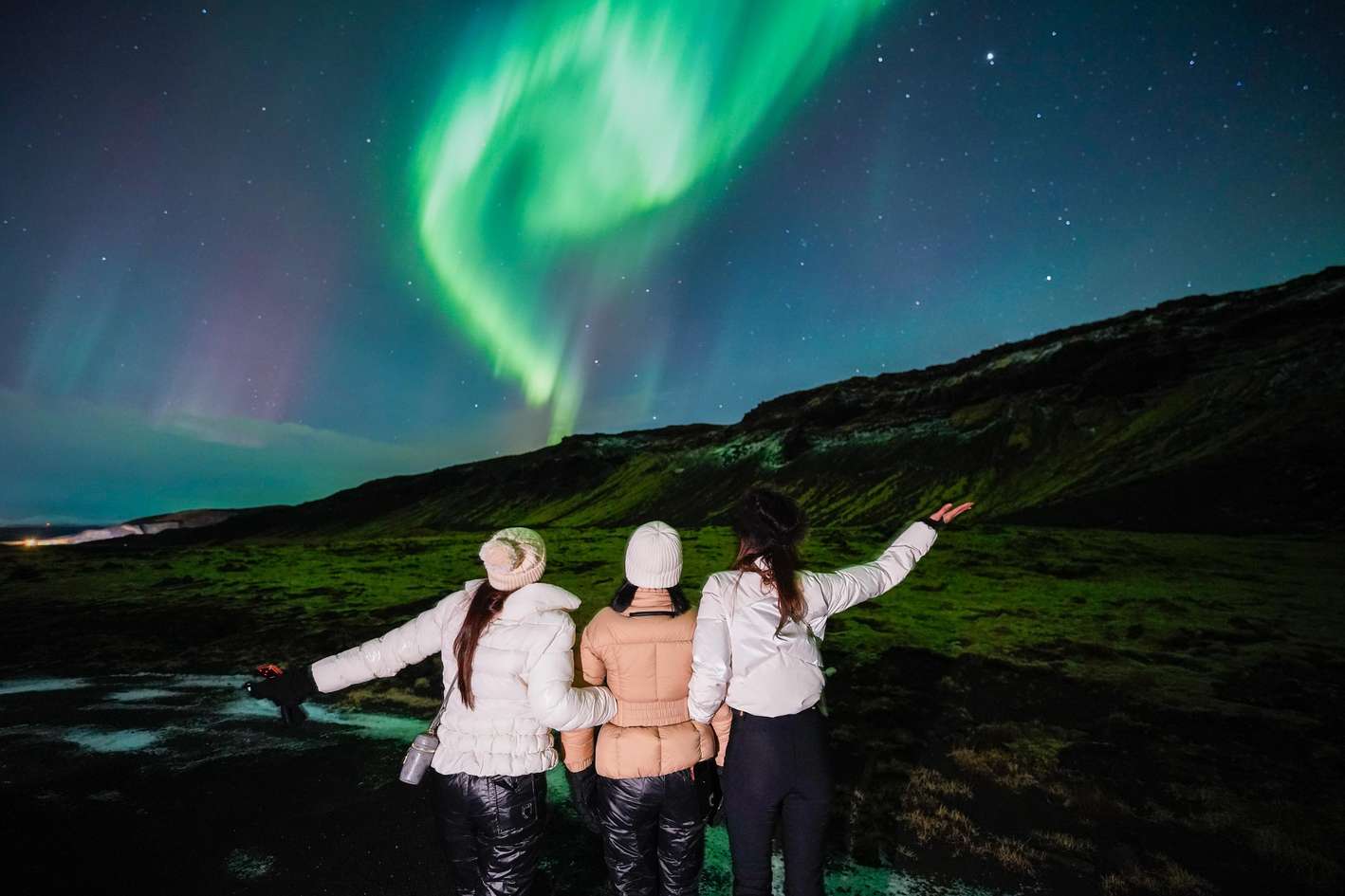
Stop 1Arrival in Reykjavík· about 2 hoursMake your own way to your Reykjavík hotel, arrange an airport transfer if you want one, and settle in for the first night of the hunt.Stop 2Golden Circle day· about 10 hoursSee the hot springs of the Geysir area and the waterfall at Gullfoss, then walk through Þingvellir National Park between the tectonic plates.Stop 3Friðheimar greenhouse· about 90 minStop at the geothermal farm where tomatoes and cucumbers grow year-round inside heated greenhouses, and hear how it works.Stop 4South Coast waterfalls· about 10 hoursWalk behind Seljalandsfoss, admire Skógafoss, and stand on the black sand at Reynisfjara under the sea cliffs.Stop 5Glacier lagoon and Diamond Beach· about 10 hoursExplore Jökulsárlón glacier lagoon, where icebergs drift off the glacier, then walk the beach where they wash up in pieces.Stop 6Evening aurora hunt· about 4 hoursThe guide reads the weather and heads out for the northern lights, weather permitting, from your hotel or on a night drive.
Included
Pickup and drop-off at your hotel or a nearby bus stopSmall group tour in spacious vehicle with no restrictions on luggage allowanceFree Wi-Fi on boardExpert guidance from a professional local guideAccommodation in Reykjavík with private bathroom for 2 nightsAccommodation in Vík area with private bathroom for 2 nights
Not included
Airport transfersBlue Lagoon admission (optional at extra price)Blue Ice Cave Experience (optional at extra price)Meals other than breakfast at hotels
Packages that pair the Iceland blue lagoon with northern lights nights travelers rated
guides switch between english and german on request
The multi-day route let them cover distances from Reykjavik that separate day trips never would.
Best surprise
Several travelers were surprised to catch the lights near Vík on a night when weather elsewhere looked hopeless.
Most common wish
Many reviewers wished for clearer skies, after cloud cover hid the lights on some evenings of their trip.
How to book an Iceland northern lights and Blue Lagoon tour
book 1 to 2 weeks ahead in winter
01
Pick your first night
Choose the earliest date of your stay for the aurora hunt. A winter booking of 1 to 2 weeks ahead is usually enough, but Christmas and New Year dates need 3 to 4 weeks.
Pro tipBook the hunt for night one of your trip, so any later nights stay free for a retry if the sky stays cloudy
Common mistakeLeaving the tour for your last evening, when a cancellation or a failed sighting leaves you with no second chance
02
Choose your soak time
Pick an arrival slot between 2 pm and 5 pm for the spa. A 2 pm entry gives you two hours in the water and back in Reykjavik by 5 pm for dinner before an evening tour.
RecommendedA 2 pm slot keeps the afternoon unhurried and leaves you rested for the hunt
Common mistakeArriving at midday, when crowds peak between noon and 3 pm
03
Choose pickup or meeting point
Select the option that fits your hotel. Coaches cannot enter downtown Reykjavik's narrow streets, so central hotels get assigned a numbered bus stop within a 5 to 10 minute walk.
Pro tipThe meeting point option costs less and suits you if your hotel sits near a bus stop
ImportantThe pickup option means being ready outside your accommodation or nearest bus stop 30 minutes before departure
04
Confirm and check your voucher
After payment, the confirmation and admission voucher arrive by email. Printed tickets are not needed; you can show them on a phone at the bus stop or ticket office.
ImportantKeep your phone charged and the email handy, since boarding depends on the voucher
RecommendedRead the cancellation terms before you travel, because the 24-hour cancellation window applies to a full refund
05
On the day of the hunt
Watch your email from late afternoon. Some operators decide by 6:15 pm whether the evening runs, and a cancellation email arrives by 6:30 pm if the cloud cover blocks the sky.
ImportantIf the chase is cancelled, the spa part still goes ahead, and you get the choice of rescheduling the aurora hunt, an alternative activity or voucher, or a refund for that part
RecommendedDry your hair fully indoors before the evening hunt, then change into thermal layers and waterproof boots
What to know before you book an Iceland Blue Lagoon and northern lights package
conditioner before you get in saves your hair
Can stop the dayGood to knowGood news
01
ChoosingWhat it is, who it suits, when to go
7
What's included
Each package bundles a different set, so match it to your trip:
The 5-day hunt: two nights in Reykjavík and two in the Vík area, hotel breakfasts, a stop at Friðheimar Geothermal Farm, and a small group in a spacious vehicle with no luggage restrictions
The 6-day South Iceland tour: five hotel nights, five breakfasts, the Blue Lagoon, the Golden Circle, and the South Coast waterfalls, with the aurora tour repeated the next evening if none appear
On the 5-day option, spa admission is an optional extra you add yourself
Timing
Multi-day winter itineraries do the spa and daytime sightseeing in daylight, then head out of the city after dark to chase clear skies. On the final day, the soak is often set for midday or afternoon, followed by an evening hunt outside Reykjavík. Countryside overnight stays give you more dark-sky chances than a city hotel.
Shower ruleCan stop the day
Every guest showers thoroughly with soap and without a swimsuit before entering the water. This is standard Icelandic bathing culture and it keeps the water clean. Showers with doors are available if you prefer more privacy.
Hair
The silica-rich water can leave hair stiff and dry for days. Work heavy conditioner through your hair before you get in and leave it in, or tie long hair into a bun or ponytail. It does no harm, it is just hard to manage afterwards.
Food
You cannot bring your own food or drink into the complex. Four dining venues cover most appetites, from grab-and-go sandwiches and snacks at the café to a set-menu restaurant, and there is an in-water bar so you can order without leaving the warm water.
Electronics
Phones are allowed in the water, but a waterproof case is a good idea and cameras are best kept in a locker. Silica can damage prescription eyeglass lenses if they go under, so keep glasses on your head or dry above the surface.
First night
Book the aurora hunt for your first night in Reykjavík. That way, if clouds cancel it or no lights appear, the rest of your stay is open for a free retry instead of a lost evening.
02
BookingHow far ahead, and what happens if plans change
2
Booking ahead
Spa entry slots sell out days ahead in winter, and at Christmas and New Year you need to book three to four weeks out. One to two weeks is usually enough for January, February, and November. Combo packages hold a set entry time for you, with the admission voucher emailed before departure.
Cancellation
Both multi-day packages on this page let you cancel up to 24 hours in advance for a full refund. If weather scrubs the aurora hunt on a package that runs it, guides typically rebook you on another evening for free, which is why your first night in Iceland is the smart one to book.
03
Before you goPapers, health, what to bring
1
Night layers
After the soak, dry your hair completely indoors before stepping into sub-zero air, then change into three layers: merino or synthetic thermal base layers, a fleece or wool mid-layer, and a windproof waterproof jacket and trousers. Insulated waterproof boots with deep tread and thick wool socks carry you through standing on frozen ground.
04
On the dayWhere to be, when, and how you get there
2
Pickup
Hotel pickup and drop-off is included on both packages, with all sightseeing and transfers by coach. You never have to arrange your own transport between the spa, the waterfalls, and the evening aurora hunt.
Luggage
Lockers at the entrance hold valuables and a backpack-size bag. Larger rolling suitcases go in the dedicated luggage storage facility by the car park, so you can arrive with bags and still soak hands-free.
Iceland Blue Lagoon and northern lights tour guide
heavy conditioner in hair before the soak
A warm soak on the Reykjanes Peninsula and a cold aurora chase in one day takes timing, and the timing rules are few. The shower rule, the booking windows and the cancellation policy decide how the day works out.
Keflavík
If you only remember three things
1
Book your lagoon slot 1 to 2 weeks ahead in winter, and 3 to 4 weeks ahead for Christmas and New Year.
2
Book the northern lights tour for your first night, so the rest of your stay stays free for a retry.
3
Dry your hair indoors and change into full thermal layers before stepping out of the lagoon into the night.
What a day at the Iceland blue lagoon looks like before the aurora chase
The classic version of this trip splits neatly in two. You spend the late afternoon in geothermal water on the Reykjanes Peninsula, then drive back toward Reykjavik for an evening aurora chase that usually leaves between 8:30 pm and 10 pm and returns between 1 am and 3 am.
An arrival slot between 2 pm and 5 pm makes the handover work. A 2 pm entry gives you two hours in the water and a 4:15 pm departure, which puts you back in the city around 5 pm with time for dinner before the tour pickup.
A 5 pm entry lets you soak until a 7:15 pm departure, back in town by 8 pm, just ahead of the night buses.
Some travelers want the daytime sights too, and here the two formats differ. Multi-day packages spread the lagoon, Golden Circle, Þingvellir, Geysir and Gullfoss across two or more days with hotel nights in between.
A single-day version compresses the same stops into one long day of nine to twelve hours, ending with the aurora chase. The figures describe different rhythms: the multi-day format rests between stops, while the single-day combo packs everything into one day.
Either way, the two halves of the day have different moods. The lagoon hums with people in warm water. The chase happens in the dark, in quiet places, on the move.
The section on clothing explains how to cross from one into the other without spending an hour freezing at a bus stop in wet hair.
Tour for this
6-Day Reykjavik Northern Light Blue Lagoon Golden Circle South6 - 7 days · Free cancellation
The lagoon sits on the Reykjanes Peninsula, and every route in involves a ride of some kind. Most visitors take the scheduled lagoon bus from Reykjavik, join a tour that includes transport, or use the airport connection that links the lagoon directly with Keflavik Airport and the city.
The airport route saves real time if your plan is to soak on arrival day, because the peninsula sits on the way into town.
Regulars give one tip that matters more than any other: check the lagoon-to-city bus timetable before you commit to a late slot, so you do not arrive at the stop before the service has started for the day.
If your hotel is not on a pickup list, contact the activity provider for guidance, since a missed pickup on a winter night is hard to fix from the roadside.
Tour for this
From Reykjavík: 5-Day Northern Lights Hunt & Glacier Lagoon5.0★ (11) · 5 days · Free cancellation
The rule is simple and enforced: every guest showers without a swimsuit before entering the water, and thoroughly, with soap. The custom keeps the shared bathing water clean, and locals expect visitors to follow it as a normal part of Icelandic bathing culture.
If that makes you hesitate, there is a practical answer. The complex has showers with doors, so you can take the mandatory shower behind a closed door and then put on your swimsuit in the same stall.
Midday crowds peak between noon and 3 pm and thin out in the late afternoon, which is one more reason the 2 pm to 5 pm slots suit this itinerary.
Hair, phones and lockers at the Iceland Blue Lagoon
Silica is the mineral that gives the water its milky look, and it is what makes the hair rules worth following. The high silica concentration leaves hair stiff and difficult to manage for days while doing it no harm.
Conditioner applied before you enter, left in, protects it. Tying long hair into a bun or ponytail helps too, and regulars say plainly: do not submerge your hair without the conditioner barrier.
Your phone is allowed in the water, but the operator advises caution and recommends a waterproof case. The steam and mineral mist are hard on camera lenses, and silica in the water can damage prescription eyeglass lenses if you submerge them.
Cameras are best stored in a locker. Wipe your glasses before stepping back out, since mist on cold lenses freezes fast in January air.
On the practical side, every guest gets a locker sized for valuables and a backpack-size bag. Larger bags have a dedicated luggage storage facility by the car park, which matters if you are traveling straight from the airport with a rolling suitcase.
People with reduced mobility get real support: the main complex has elevators and electric door openers, wheelchairs can be borrowed, a private changing room sits on the ground floor, a shower chair is available on request, and a ramp lets you enter the water seated in a rolling or amphibious chair.
A personal assistant accompanying a guest who needs help enters free.
Tour for this
Reykjavik: 6-Day South Iceland Tour with Northern Lights6 - 7 days · Free cancellation
You cannot bring your own food in, so plan the meal part of the day inside. The complex has four dining venues plus an in-water bar.
The Blue Café, between the check-in counter and the main restaurant, does grab-and-go and sit-down items such as sandwiches, sushi, baked goods and drinks, with no reservation needed. Lava Restaurant is built into a volcanic cliff and serves Icelandic cuisine with lunch specials, fish, meat and vegan dishes, plus tasting and children's menus.
If you have Retreat Spa access, the Spa Restaurant inside it serves breakfast, light gourmet dishes, seafood and vegan options to spa guests. Moss Restaurant, at the highest point of the Retreat, holds a Michelin star and serves seasonal tasting menus that combine Icelandic ingredients with Asian flavors.
The in-water bar lets you order smoothies, juices, soft drinks, beer and wine without leaving the water, and an indoor refreshment bar near the meeting point in the lagoon area handles drinks and light snacks.
If your visit runs late, time your meal early enough that you are changed and ready before the evening tour pickup, because queuing for a table when the bus is due is a bad spot to be in.
From Iceland Blue Lagoon warmth to the cold night chase
The coldest moment of the day is the handover. You leave water at roughly bathing temperature and walk into sub-zero air, sometimes within an hour.
The sequence that people who do this often follow is fixed: dry your hair completely indoors, seal damp swimwear and towels in a waterproof bag, then dress in a full three-layer system before you go anywhere near a bus stop.
One rule has teeth. Guides on winter aurora excursions reserve the right to deny boarding to anyone who is not dressed appropriately, because standing still in Arctic wind without proper outerwear is a safety risk. The checklist below is the working version.
Gear and clothing for the lagoon to aurora transition
Thermal base layersTraps baseline body heat and wicks moisture immediately after changing out of your wet bathing suit.
Fleece or wool mid-layerAdds essential core insulation to guard against severe chills when moving between the warm facility and the freezing night air.
Insulated winter jacketBlocks icy Arctic winds and freezing moisture while standing stationary outside on aurora watch.
Warm outdoor trousersProtects your legs from sub-zero temperatures and bitter wind gusts during extended waits outdoors.
Waterproof winter bootsKeeps your feet warm and shielded from frozen ground, snow, and wet gravel during the night tour.
Warm wool socksProvides crucial insulation inside boots, keeping toes from going numb while standing still in the dark.
Winter hat and glovesPrevents rapid heat loss from your head and keeps fingers warm when handling cameras or phones outside.
Waterproof bag for wet swimwearIsolates damp swimwear and towels in your luggage so they do not soak through clean, dry cold-weather gear.
Boots deserve a second look: deep tread, thick soles, and enough interior room that wool socks do not pinch your toes.
Booking the Iceland Blue Lagoon and the evening tour
Admission slots sell out days in advance in winter, and buying on arrival often leaves you with inconvenient late-evening times or nothing at all.
Booking 1 to 2 weeks ahead is generally enough in November, January and February. For Christmas and New Year, plan 3 to 4 weeks, because tour volumes run at roughly double an ordinary month.
The same pressure applies to the night half. Small-group and super jeep aurora tours sell out weeks in advance during November, December and January, so book early if the small-group version is the one you want.
Recommended"Book the chase for your first night": First night rule Booking the aurora tour on your first evening keeps every remaining night of your itinerary free to use a free retry if clouds or a quiet sky stop the first attempt.
Combo packages that bundle lagoon admission with transport handle the entry timing for you: the admission slot is scheduled in advance and the voucher arrives by email before departure.
If you build the day yourself, pick a 2 pm or 5 pm entry so the water, dinner and the 8:30 pm to 9 pm departures fit without rushing.
Iceland Blue Lagoon plans when weather cancels the chase
The risk in this trip is real but managed, and the decision points are early. On the day of the tour, operators read cloud-cover maps and make the call in the late afternoon.
Some decide by 6:15 pm, others aim to email a cancellation by 6:30 pm, one decides around 4 pm and may wait until 5 pm or 6 pm when the forecast is uncertain, and one makes its nightly decision by 6:30 pm. In practice, you know before dinner whether the chase is on.
What decides the night is cloud cover. A low aurora forecast still runs if there is a realistic chance of clear sky, and a high activity number means nothing under a solid blanket. On the Icelandic Meteorological Office forecast map, white means clear and green means cloudy.
"What happens when things go wrong"
If this happens
What happens then
If the tour is canceled for weather
You get a full refund or a free reschedule to another evening.
If the tour runs but no lights appear
You get a free retry rather than cash back, under the standard terms most operators use.
If only the aurora part of a combo fails
The lagoon visit proceeds, and you choose between rescheduling the chase, an alternative activity or voucher, or a refund for the lights portion, with terms that vary by provider.
The retry policy is why the first-night booking matters. It converts one unlucky evening into a second chance at no cost.
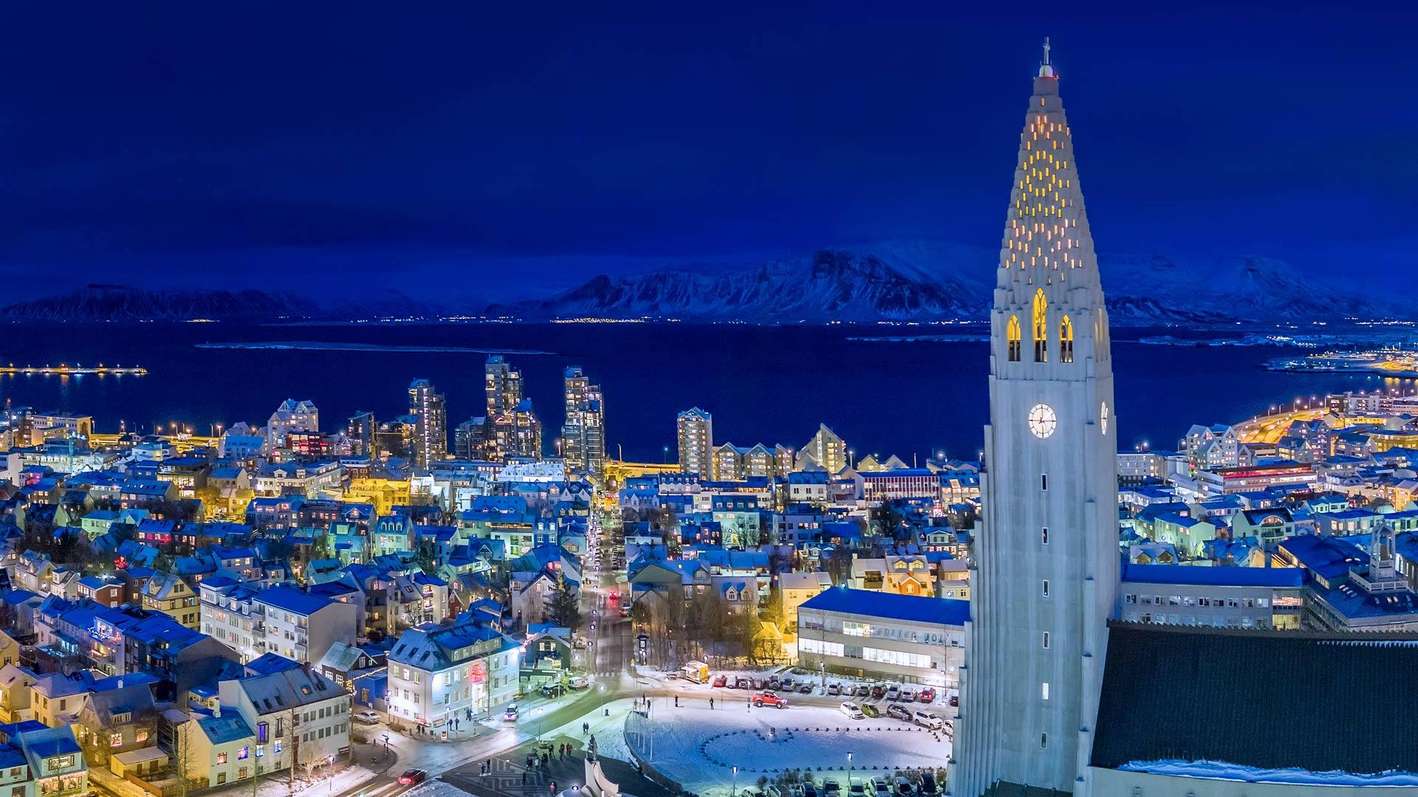
The daylight hours around the soak fill easily. In the city, Sundhöllin is a historic downtown pool with geothermal hot tubs, a sauna, indoor and outdoor pools, and a rooftop deck with heated tubs facing the Hallgrímskirkja tower.
Laugardalslaug is the city's largest pool complex, with an Olympic pool, a giant slide and a saltwater tub. Sky Lagoon, a short drive from downtown, adds an oceanside infinity pool, a cold plunge, a steam room and a body scrub ritual.
For aurora preparation, Aurora Reykjavík is an interactive northern lights museum with science exhibits, films and touch-screen displays, useful before your first chase. Perlan runs the Áróra planetarium show that simulates the lights, plus an indoor ice cave and glacier exhibits.
The Lava Show pours real molten lava indoors, and the whale museum in the Grandi district displays life-sized models of every species found off the coast.
Out on the peninsula near the lagoon, Seltún has fumaroles and bubbling mud pots, Gunnuhver holds Iceland's largest mud pool viewed from boardwalks, and Brimketill is a natural lava pool on the coast with a viewpoint over the waves.
One timing note: the Grótta nature reserve closes completely to the public during bird nesting season, from May 1 to July 15.
Renting a car gives you control over departure time and location, and lets you retry on several nights without paying per trip. The best-known dark-sky target is Lake Kleifarvatn on Route 42, about 40 kilometers from central Reykjavik, roughly 92 minutes without traffic.
At night the lake shore is very dark, with almost no buildings and an unobstructed view of the whole sky dome. Inside the city, street lamps wash out fainter displays.
Know the winter reality of that road. Route 42 is fully paved, but snow clearing is scheduled only on Mondays and Fridays, with de-icing limited to designated spots.
Park only in the designated pull-offs and small car parks along the shore, keep the vehicle visible to other drivers, and pull completely off the narrow road into a lay-by. Overnight parking and sleeping in the car at roadside pull-offs is prohibited, and is only allowed at designated camping areas.
The hazards are the reason many people book a tour instead. Black ice appears suddenly, winds can be extreme, rural roads lack guardrails, and pulling onto a soft snow shoulder can trap a vehicle on hidden ice.
Scouting your stopping places in daylight and checking weather, road and aurora forecasts together is the standard routine. The honest verdict: self-drive pays off for groups of three or more, or if you already have a car for daytime sightseeing. Renting one for a single evening hunt costs more than a tour.
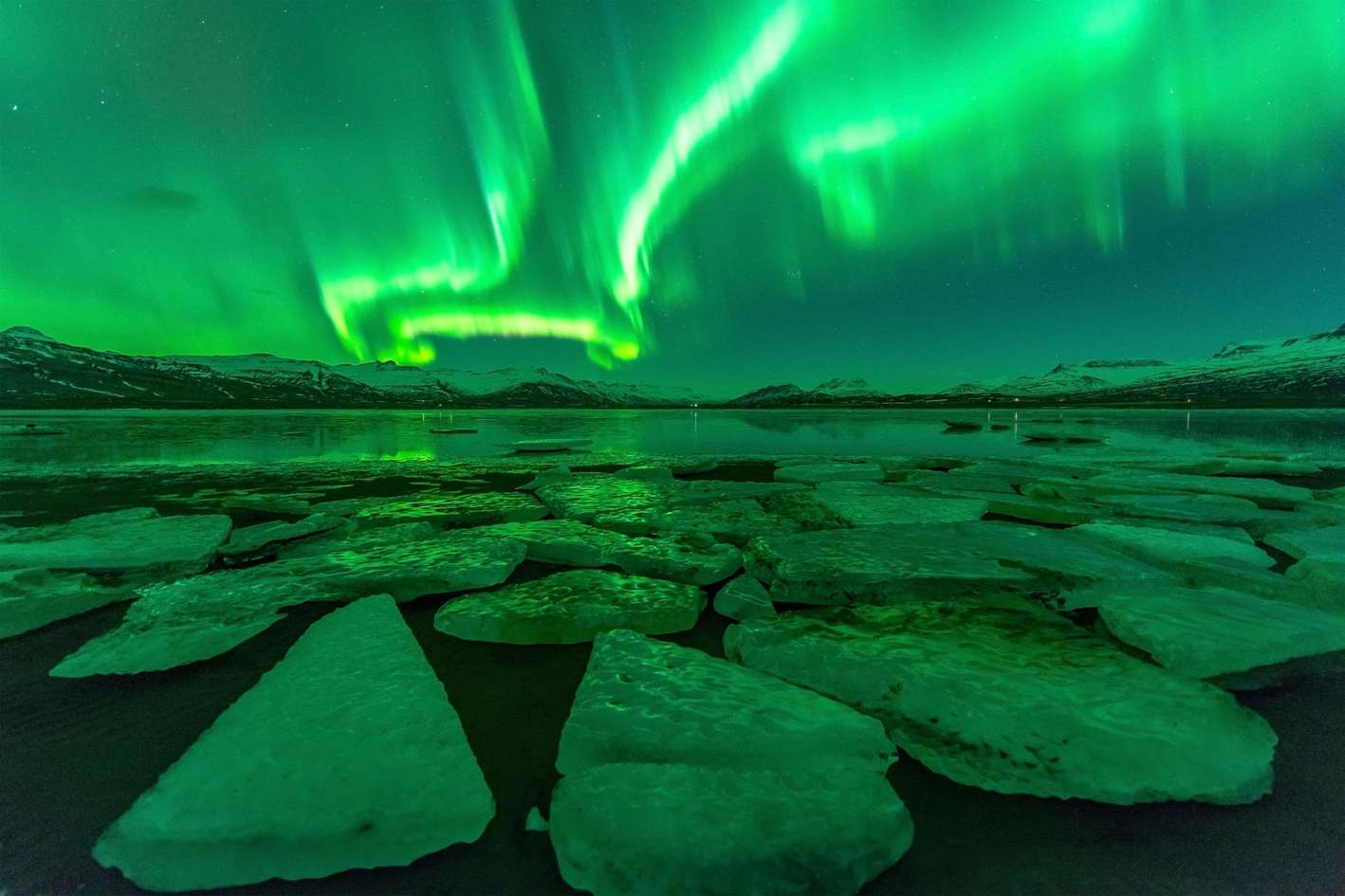
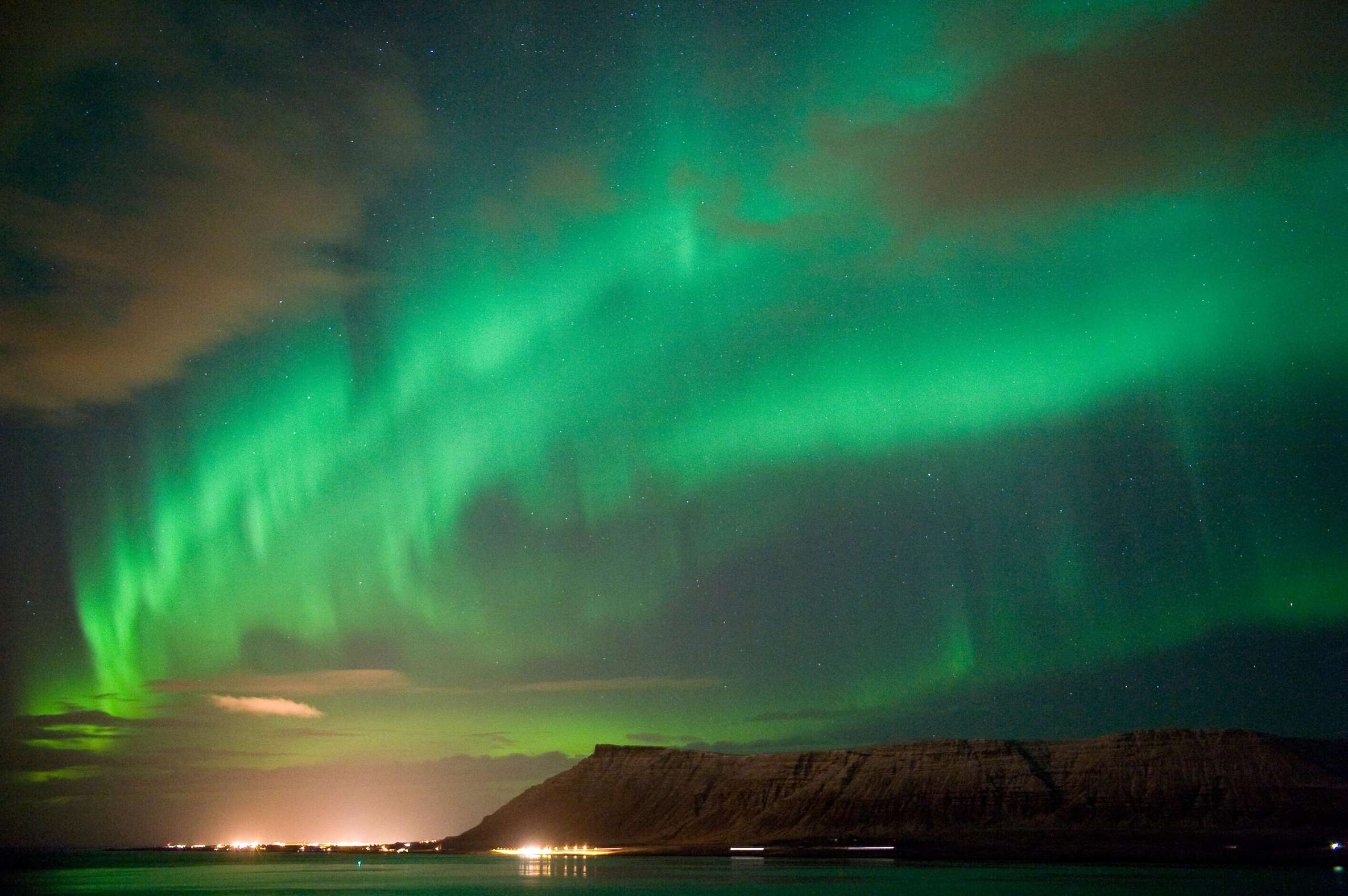
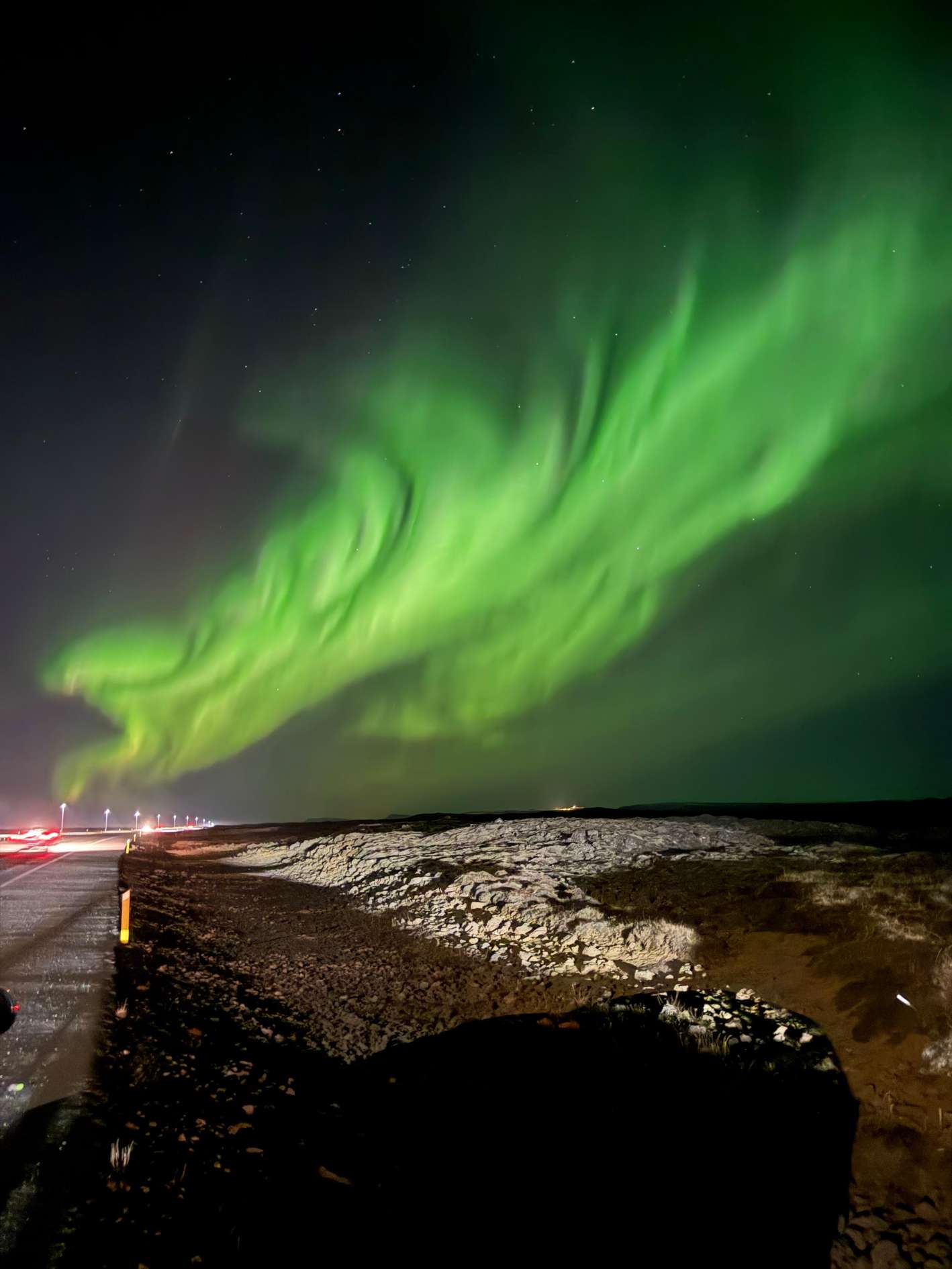
You do not need professional gear. Phone cameras in night mode detect and photograph faint aurora colors the eye can barely separate from a gray haze, which is why tour photos look stronger than what you remember seeing.
The settings are few. Switch the flash off, because it cannot light the sky and only illuminates nearby people. Use the main 1x lens, since it handles low light better than the ultra-wide lens or digital zoom.
On an iPhone, tap the moon icon in Night Mode and slide the exposure to the maximum. On a Google Pixel, set the phone on a steady surface in Night Sight and astrophotography mode takes over with exposures up to about four minutes.
On Android phones with a manual mode, set focus at infinity, shutter speeds between 10 and 30 seconds, and ISO around 800 to 1600.
Mount the phone on a tripod or rest it on something solid, and fire with a self-timer or remote so tapping the shutter does not blur the shot. If the lights are moving fast, shorten the exposure to keep their shape.
Two courtesies matter on a group tour. Bright phone screens and white torches ruin everyone's night-adjusted vision, and a camera flash spoils the view of the people around you. And do not fear a full moon: it does not dim an active aurora, and it lights the foreground for photos.
For forecasts, use the Icelandic Met Office site, en.vedur.is. It shows cloud cover in eighths rather than percentages, from 0/8 clear to 8/8 solid cloud, with separate forecasts for low and middle cloud. Cloud cover outranks the Kp number every time.
Driving yourself
Rent a car for the driveCompare cars from the rental companies in one search, then pick yours.
Taking children on an Iceland Blue Lagoon tour night
The lagoon half of the day suits children better than the night half.
The minimum age at the lagoon is two, every child aged 2 to 13 must be with an adult guardian, one adult can accompany a maximum of two children, and groups aged 13 to 17 need one adult supervisor for every ten youths.
The aurora chase is where the limits appear. Several evening tours exclude young children, setting minimum ages of 5, 6, 7 or 8 depending on the operator, while a few allow all ages including the very young. Check the age rule of the specific tour before booking, since it can stop the visit outright.
Even on tours that take them, the night is demanding. Departures around 9 pm or 10 pm return between 1 am and 3 am, the viewing means standing outside without moving for long stretches in sub-zero air, and once the group is out at a viewing stop you cannot ask to head home early.
Parents who make it work adjust sleep schedules, encourage naps, keep the next morning's plans loose, and treat warm clothing as the difference between a child who endures the wait and one who does not.
Some families split the day instead: one adult takes the lagoon with the children during daylight, while the aurora hunt waits for another evening.
The lagoon-and-chase day works when the timing carries it: a 2 pm or 5 pm entry, a dry-haired change into thermal layers, and the aurora tour booked for your first night. The retry policies cover an unlucky sky, and the early-evening cancellation emails mean you always know in time to plan the alternative.
Book the lagoon 1 to 2 weeks ahead in winter, 3 to 4 for Christmas, and pick the small-group chase early if that is the version you want.
Go ifGo if you want daylight soaking and a night aurora hunt without renting a car.Go if your trip includes the Reykjanes Peninsula anyway, since the lagoon sits between the airport and Reykjavik.Go if you are visiting between September and March, when tours run and dark hours last longest.
Skip ifSkip the single-evening rental car plan if you are fewer than three people and have no car for daytime use.Skip a late-night chase with children under the tour's minimum age, since several evening tours set age limits of 5 to 8.Skip a midday lagoon slot if you want room for dinner before the 8:30 pm to 9 pm departures.
Our pick to book
From Reykjavík: 5-Day Northern Lights Hunt & Glacier Lagoon5.0★ (11) · 5 days · Free cancellation
Questions about an Iceland blue lagoon trip and the northern lights
book the spa slot 3-4 weeks ahead for christmas
Straight answers on timing, spa entry, weather cancellations, and what happens when the sky stays quiet.
Keflavík2026
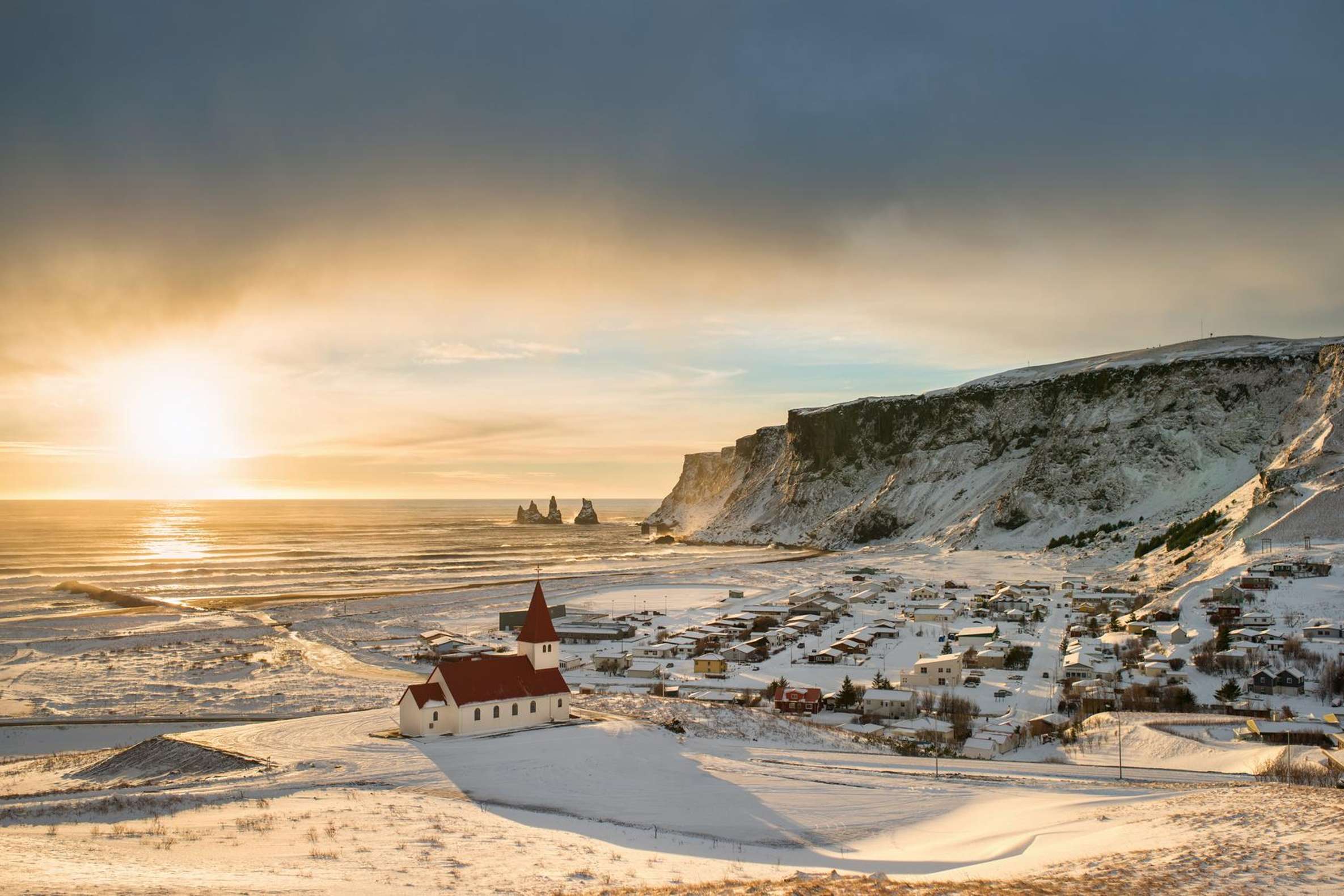
Snow on the lava fields, steam rising off 38°C water, and the sky just waiting for dark. Book the aurora chase for your first night so you have spare evenings for a free retry.
How far in advance should I book the Blue Lagoon in winter?
Slots sell out days ahead, so book early. One to two weeks is usually enough in winter, but for Christmas and New Year plan at least three to four weeks. A week is typically enough for November, January, and February.
Does a combo package guarantee my Blue Lagoon entry?
Yes, when the tour bundles admission with transport. The entry time is already scheduled, and the admission voucher arrives by email before departure, so you skip the risk of sold-out slots.
Can I see the northern lights from the Blue Lagoon itself?
It happens, but only with clear skies and active solar activity at the same time. Coastal cloud cover often makes inland spots more reliable, so treat any lights you see from the water as a bonus rather than a plan.
What happens to the aurora part of a combo if a snowstorm cancels the chase?
The daytime spa visit still proceeds, and you typically get the choice to reschedule the aurora chase, take an alternative activity or voucher, or receive a refund for the northern lights portion. Terms vary by operator.
What if the tour runs but no lights appear?
Most operators offer a free retry on another night when the tour runs without a sighting. A cancellation before you take part is different: you get a full refund or a free reschedule.
When is the best time to book an Iceland northern lights and blue lagoon package?
September through March. November to March give the longest dark skies and about 13 to 20 clear nights within reach each month. September and October are quieter shoulder months with fewer dark hours.
Are the lights visible in April or September?
Yes, both. Operators run departures from 25 August through 30 September and 15 March through 15 April, usually between 10 pm and 1 am to match the later onset of true night. Shoulder months also mean smaller crowds.
How do multi-day packages fit the spa and the aurora hunt together?
Daytime highlights like the Golden Circle, South Coast, and the spa fill the daylight hours, then evening excursions head into the countryside to find clear skies. Countryside overnight stays give you more dark-sky chances than a city base.
Why does the water look milky blue?
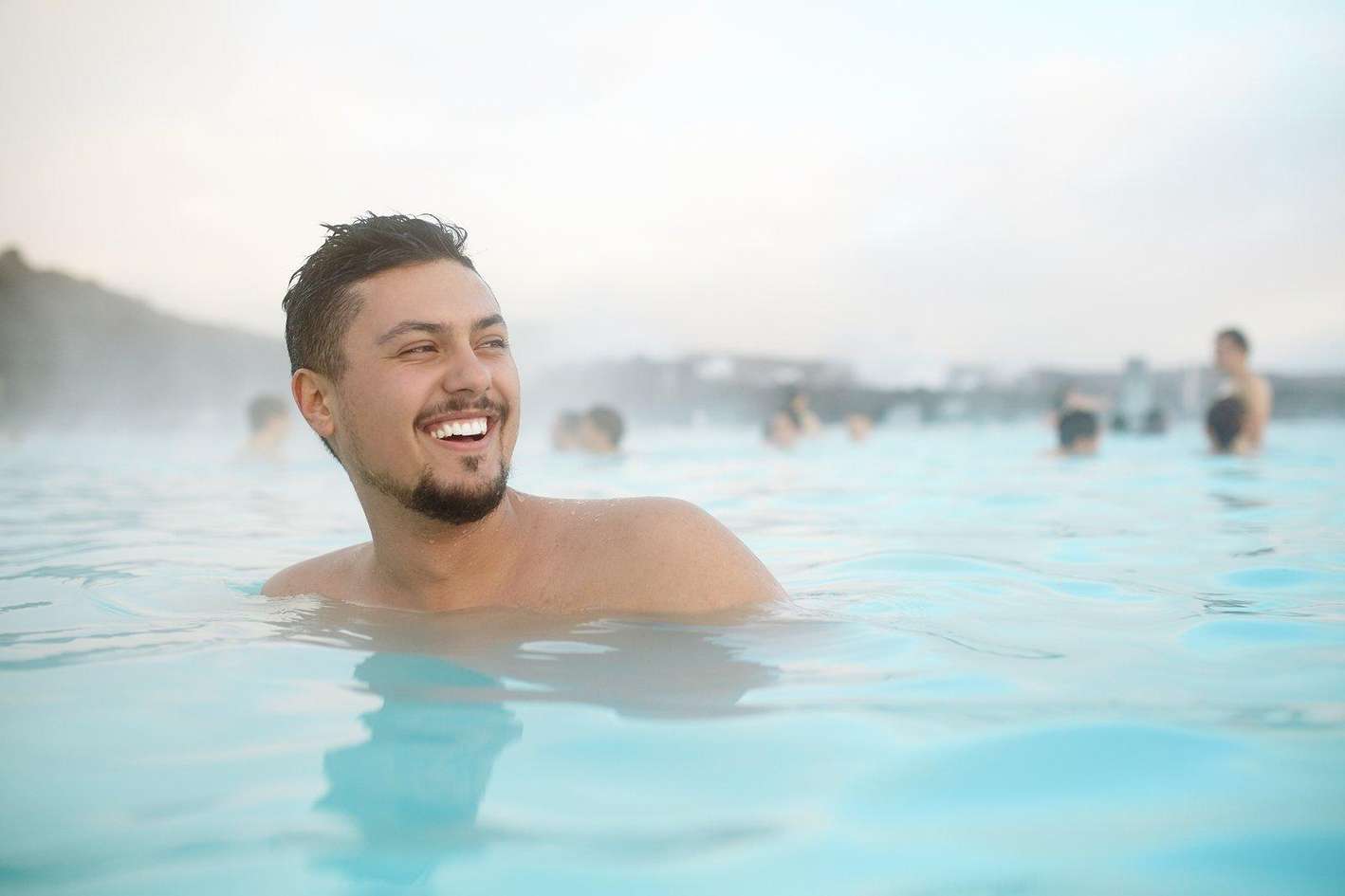
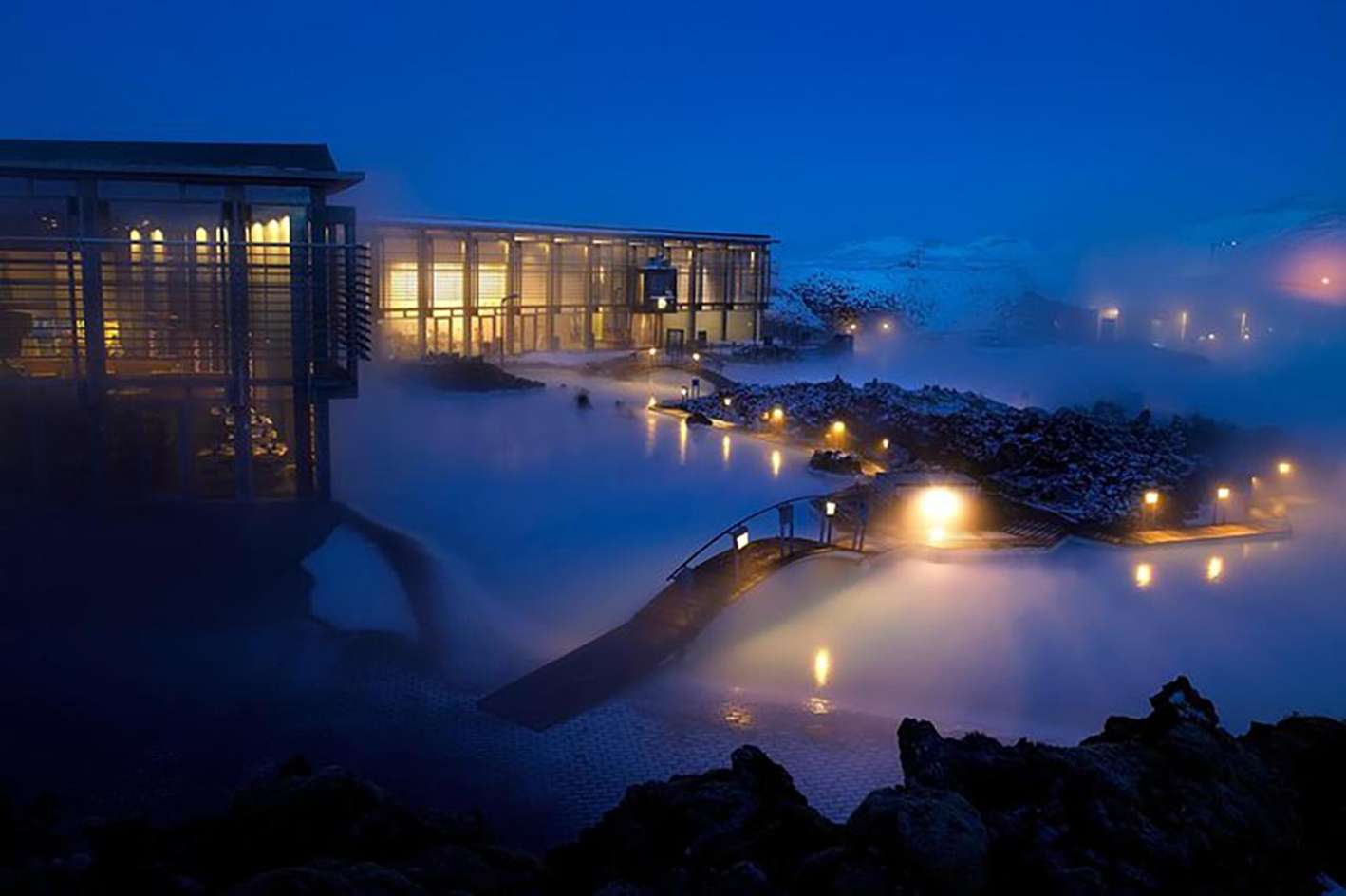
Silica in the geothermal water reflects sunlight. The water comes from deep underground, cools through the power plant's electricity and heating production, and arrives at the lagoon at a comfortable 37 to 40°C even in winter.
Is the Blue Lagoon worth it in winter?
The water holds 37 to 40°C, so bathing stays comfortable in freezing air. Snow blankets the surrounding lava fields, and the contrast of warm water against the cold makes the soak feel especially rewarding after a night outdoors.
Can I visit the Blue Lagoon on the way from Keflavik Airport?
Yes. The lagoon sits on the Reykjanes peninsula, so stopping there on arrival or before departure saves travel time between Reykjavik and the peninsula. Transfer services link the lagoon with both the airport and the city.
Why do the lights look fainter in person than in photos?
Camera sensors register faint auroral colors long before your eye can pick them out of a gray haze. Faint displays that look like nothing to the naked eye often show up vividly on camera, so guides keep shooting even when the sky seems quiet.