1,168 travelers saw a geyser erupt at noon and the aurora at midnight
Iceland Northern Lights and Golden Circle Tour - Day Trip and Evening Aurora Hunt
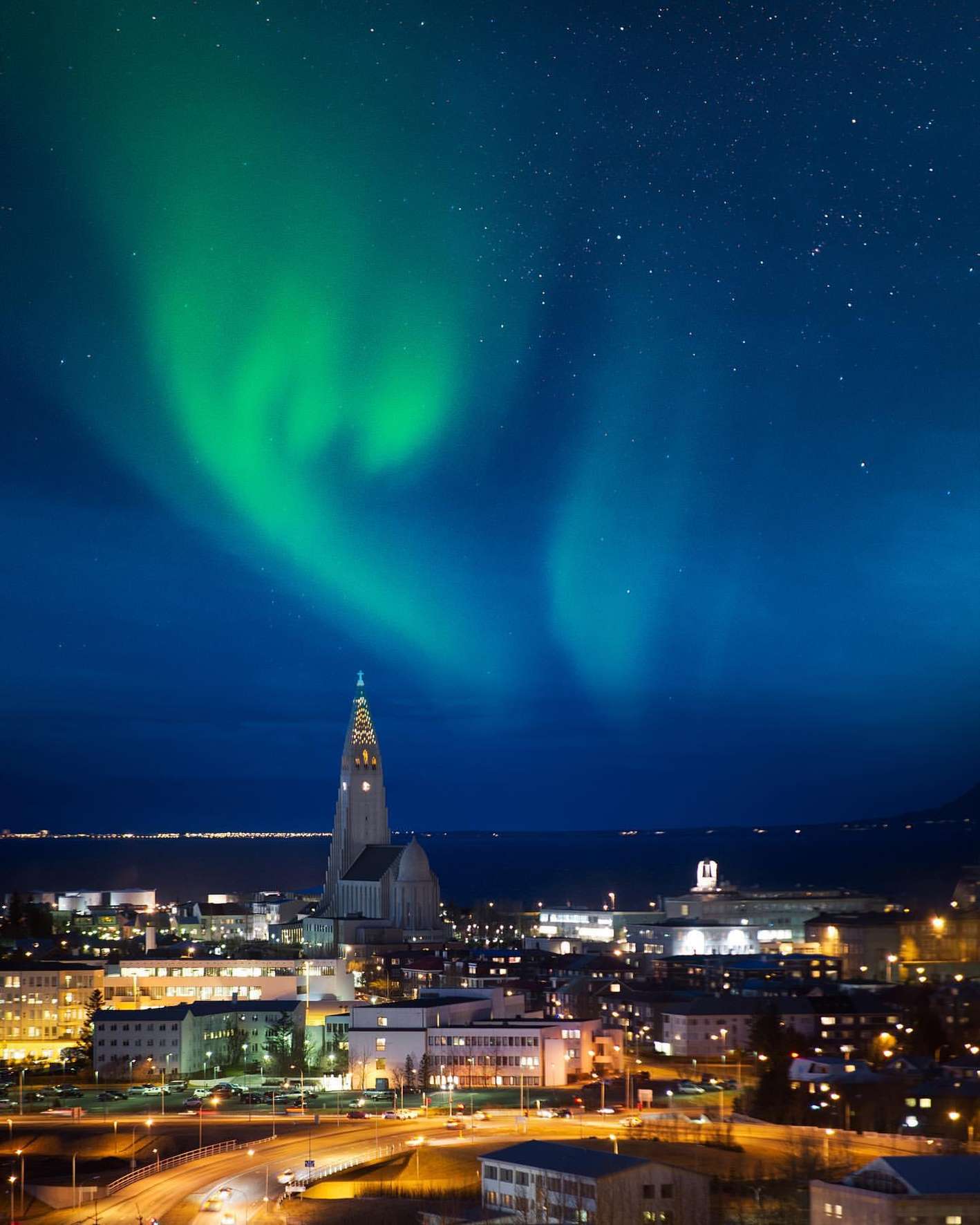
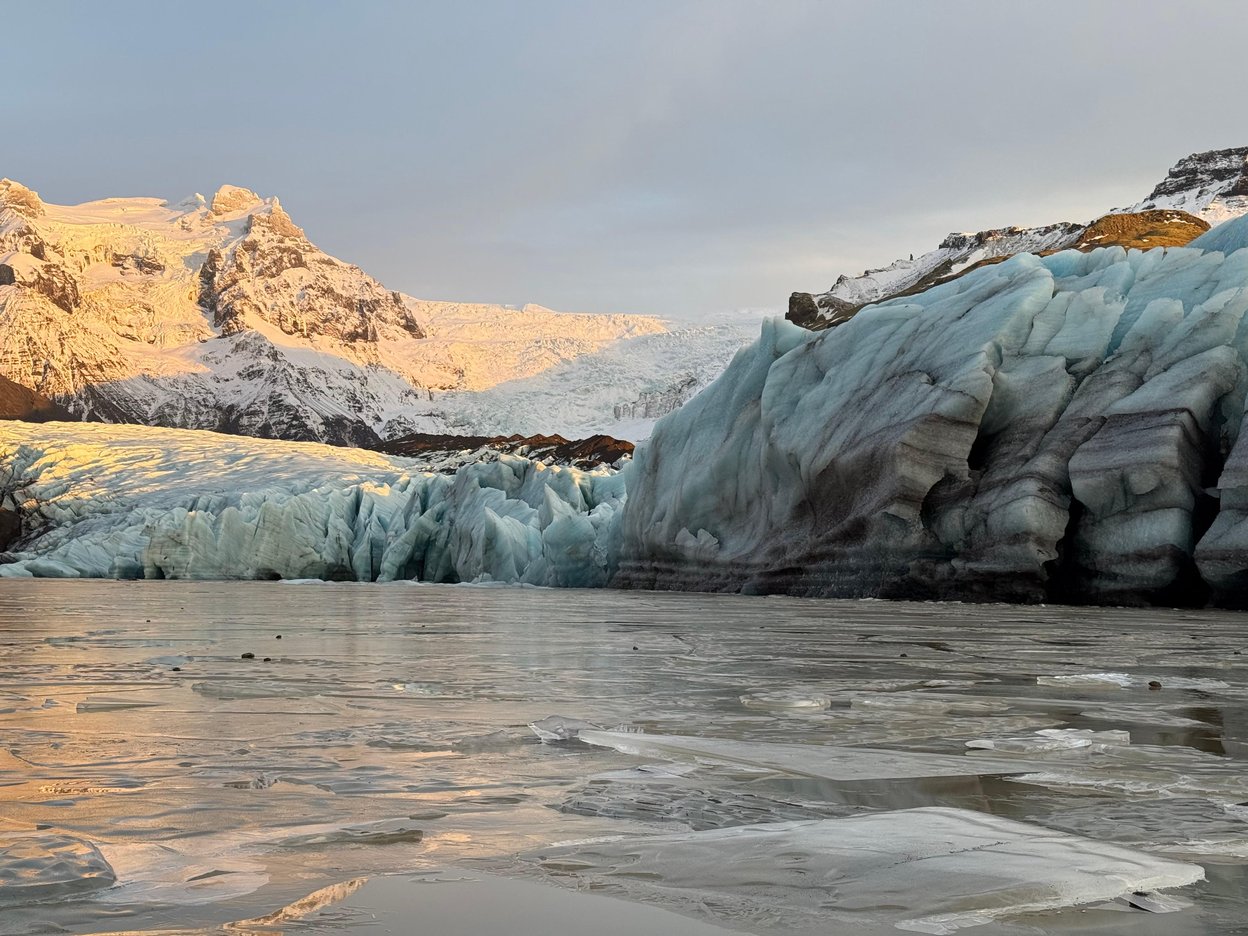
See the Golden Circle by day and hunt the aurora by night, all in one plan. Tours like these put Thingvellir, Geysir, Gullfoss and a dark-sky chase into a single winter day, with hot chocolate in hand and a free retry if the sky stays cloudy. Book your spot for your first night and keep the rest of your trip free for a second chance.
4.5★average rating1,168traveler reviews100%free cancellation23countries travelers came from
Choosing your Iceland Golden Circle and northern lights tour
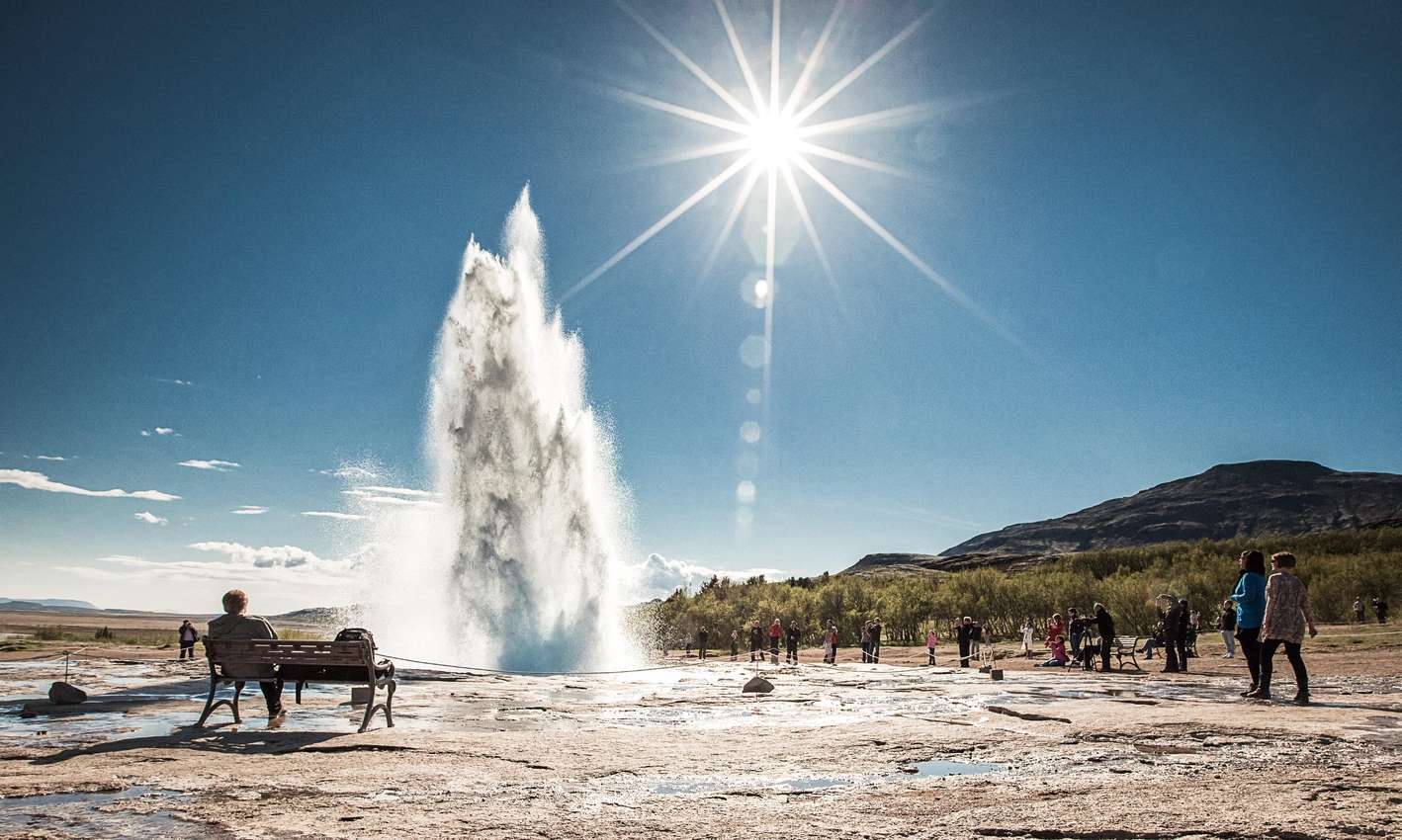
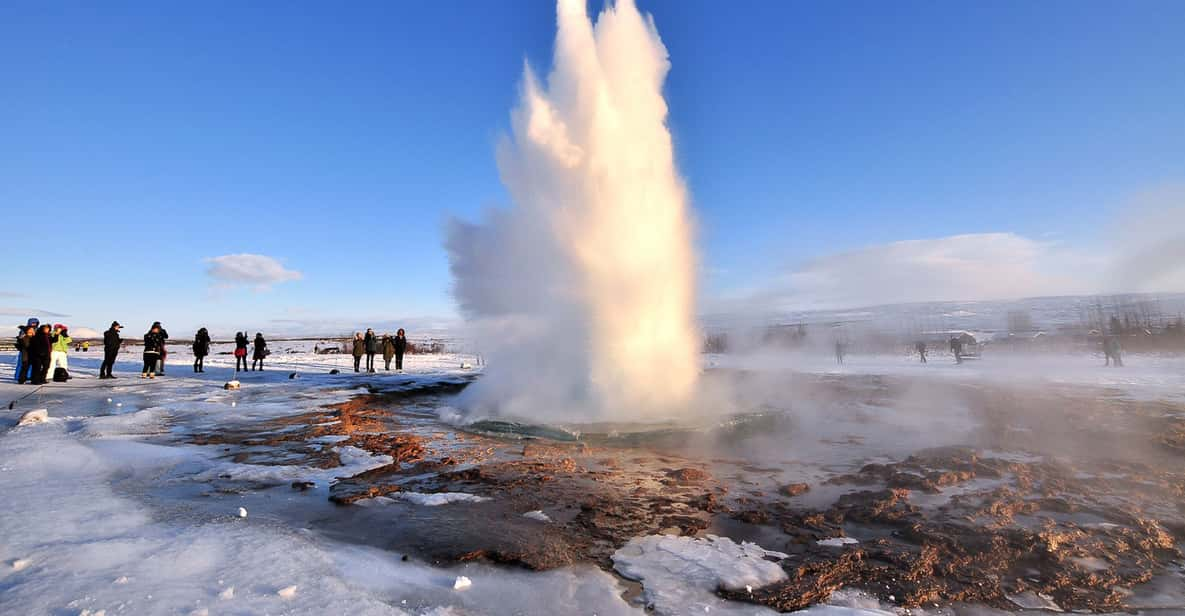
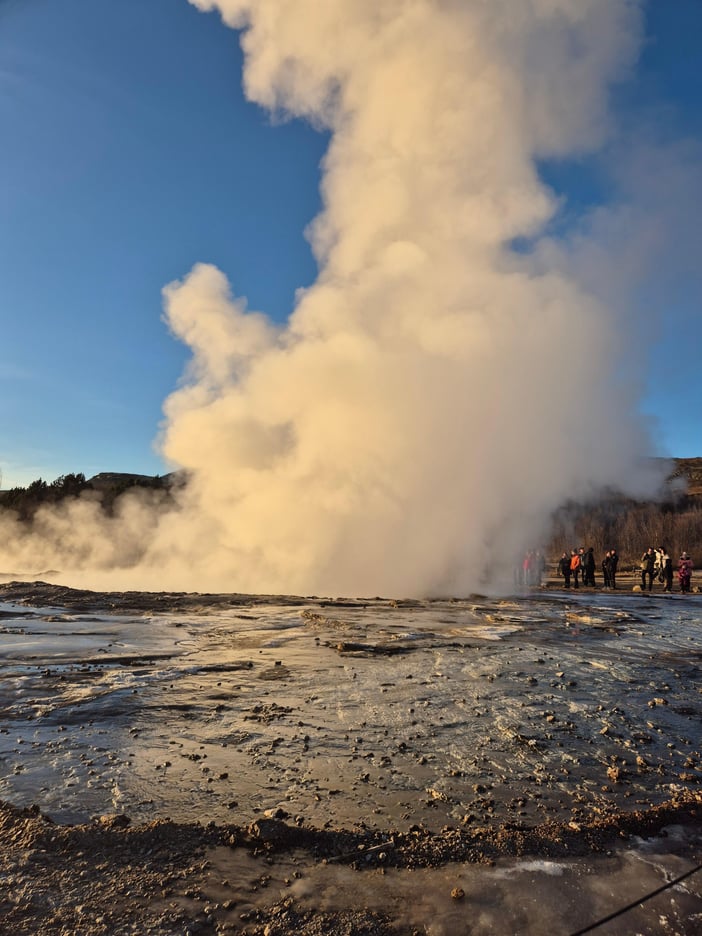
strokkur erupts every 6 to 10 minutes, up to 20 metres high
A Golden Circle day trip and an evening aurora hunt can be booked as one coordinated plan or pieced together separately. The one difference that decides it is who handles the gap in between: a combo tour drops you downtown with hours to eat and rest before the night pickup, while a multi-day tour spreads the sightseeing over several dark evenings.
importantOn the 12-hour Golden Circle and northern lights combo, children aged 7 and younger cannot join, and evening aurora tours run long and late in sub-zero cold.
Check the age limit on your chosen combo before booking, and if you travel with young children pick one of the standard 9-hour combos that admits them, with everyone dressed in warm layers for the night leg.
Compare the best Iceland Golden Circle and northern lights tours
strokkur erupts every 6 to 10 minutes
The classic combo
9 hours·English
4.4(398)
From Reykjavik: Golden Circle and Northern Lights Combo
A 9-hour day covering all three landmarks, with a free retry night if clouds cancel the aurora chase. Rated 4.4 by 398 travelers.
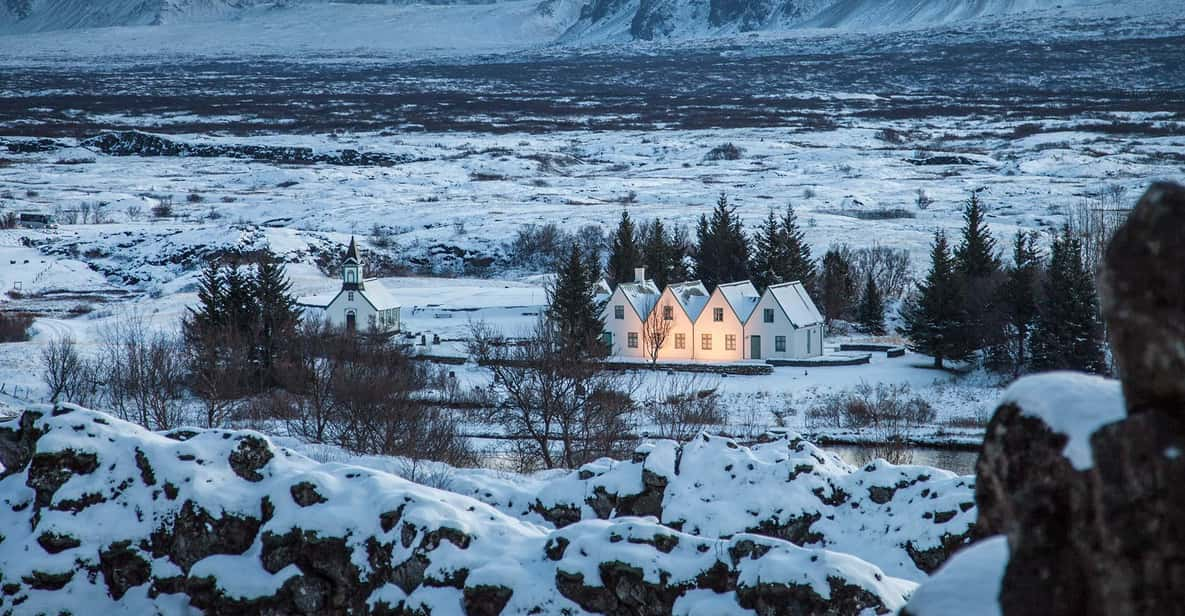
See the magnificent Gullfoss waterfallGet back to nature in Þingvellir National Park
What the Iceland Golden Circle and aurora day includes
strokkur erupts every 6 to 10 minutes
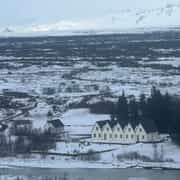
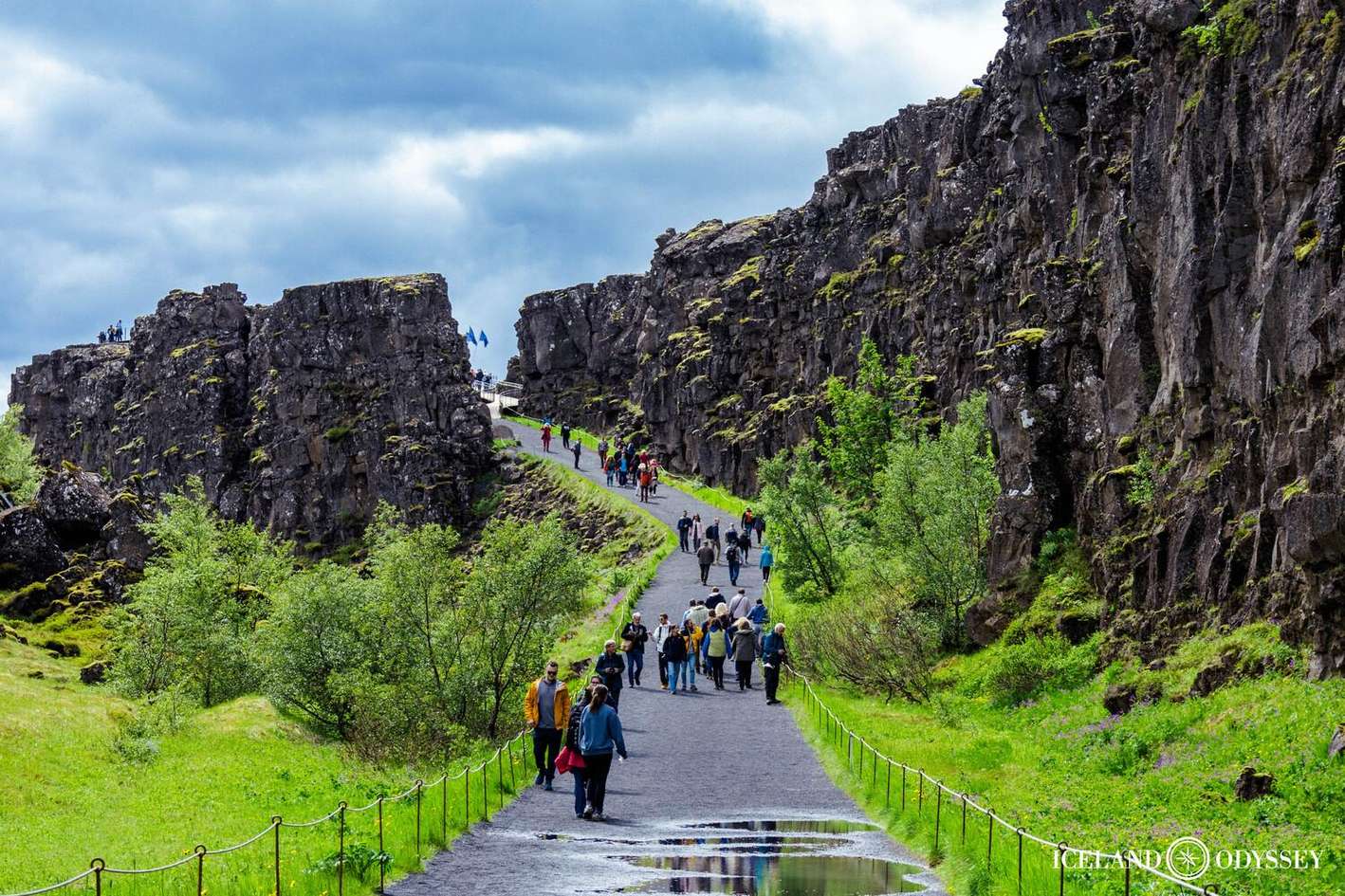
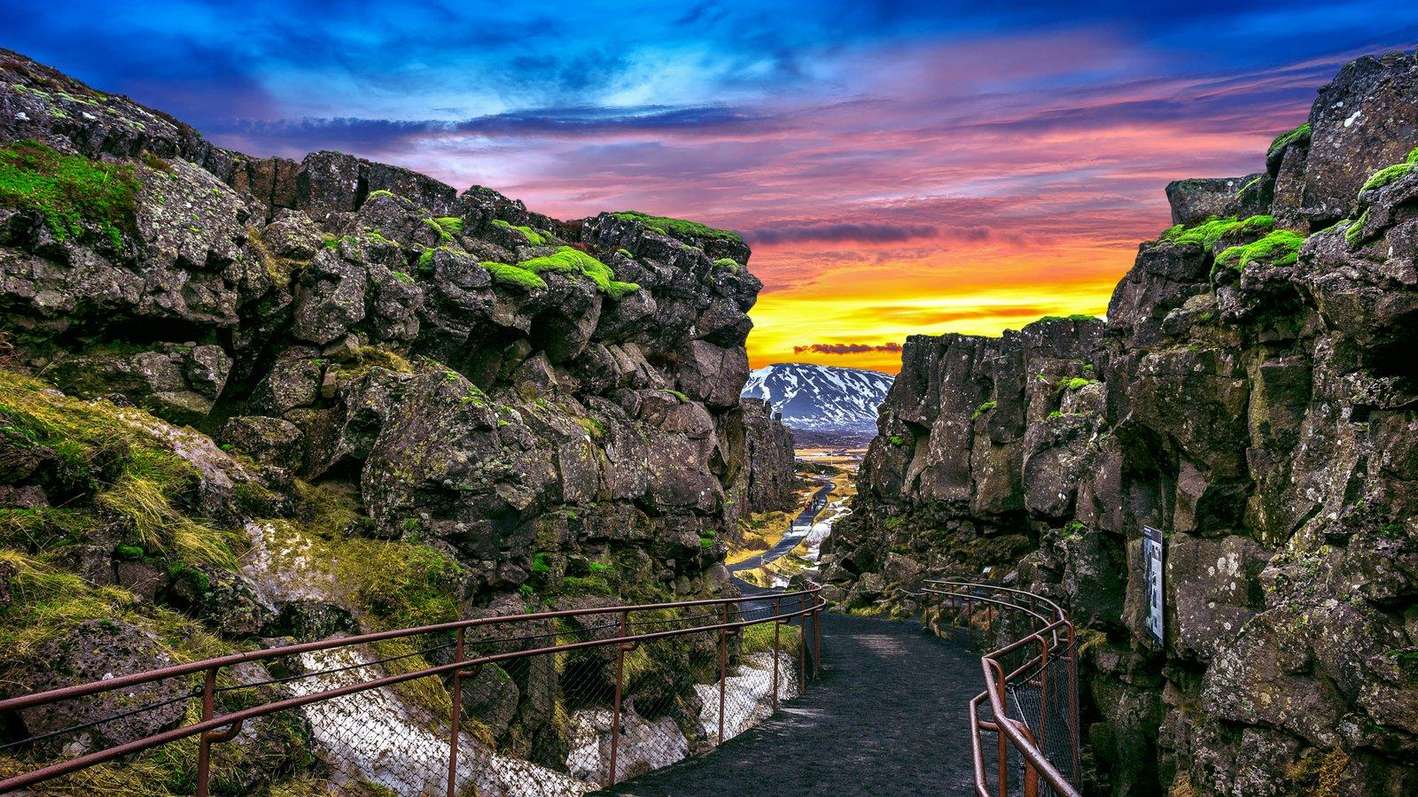
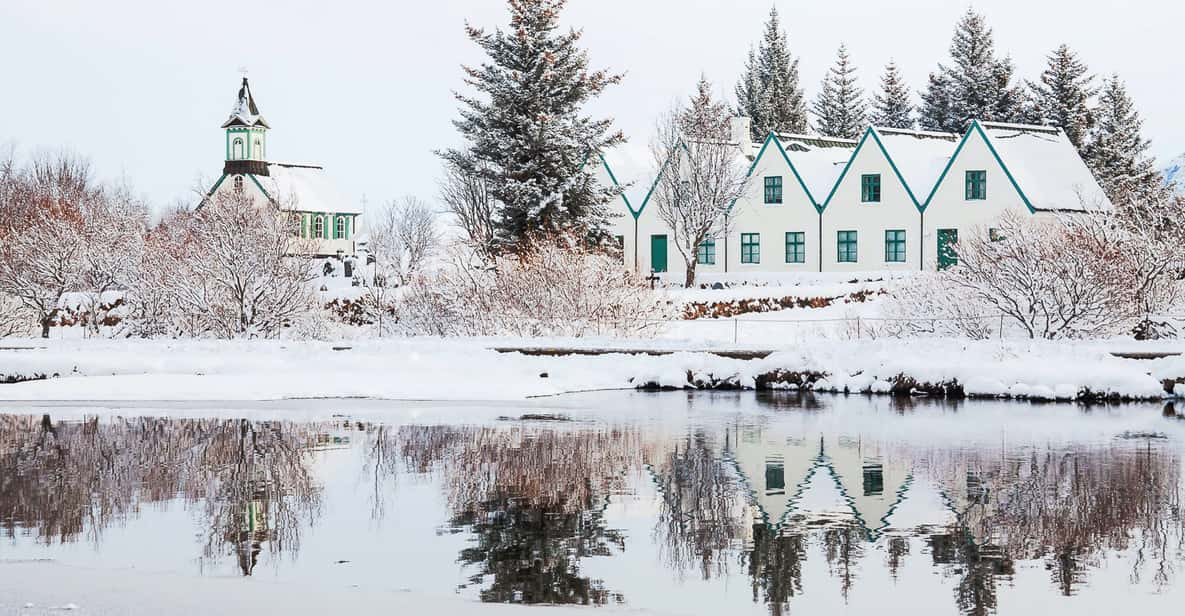
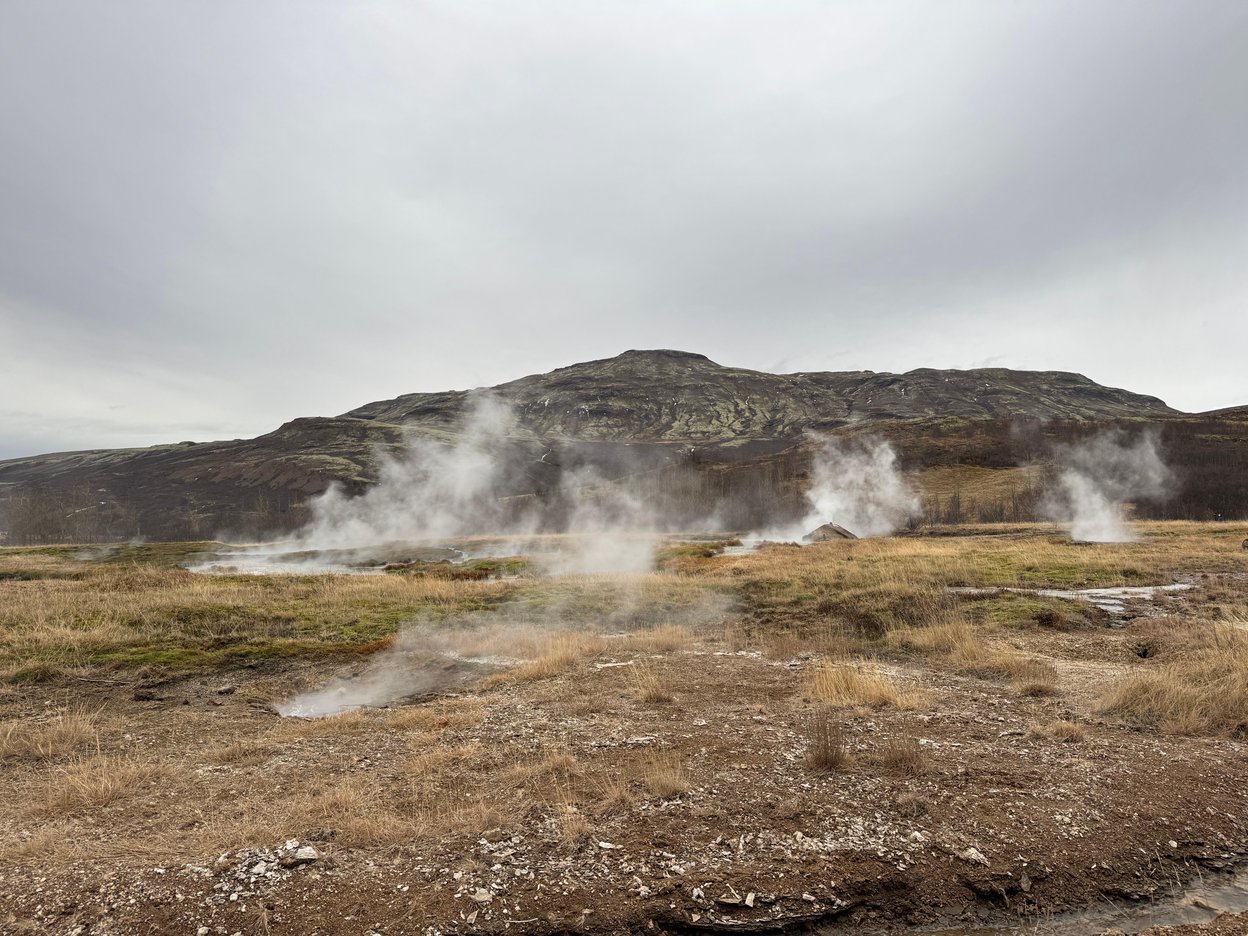
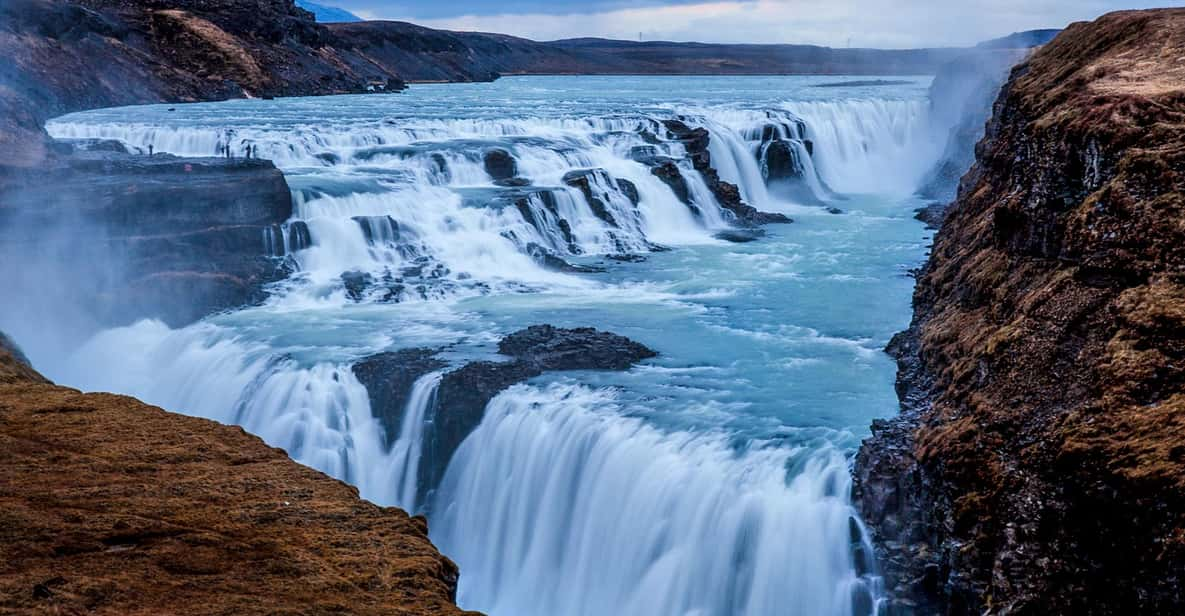
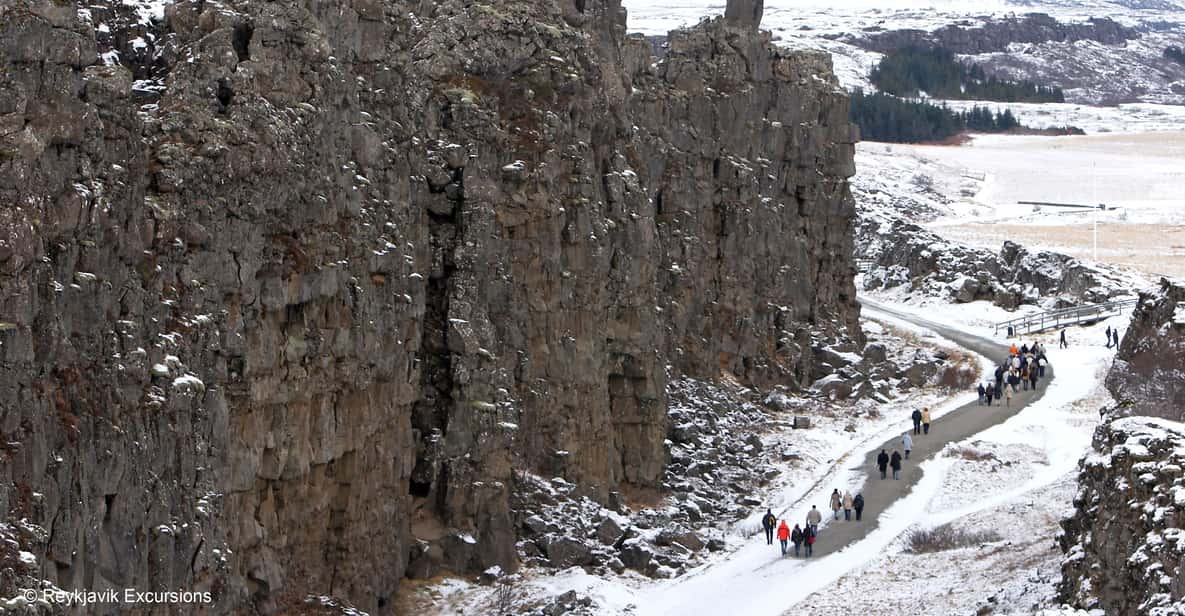
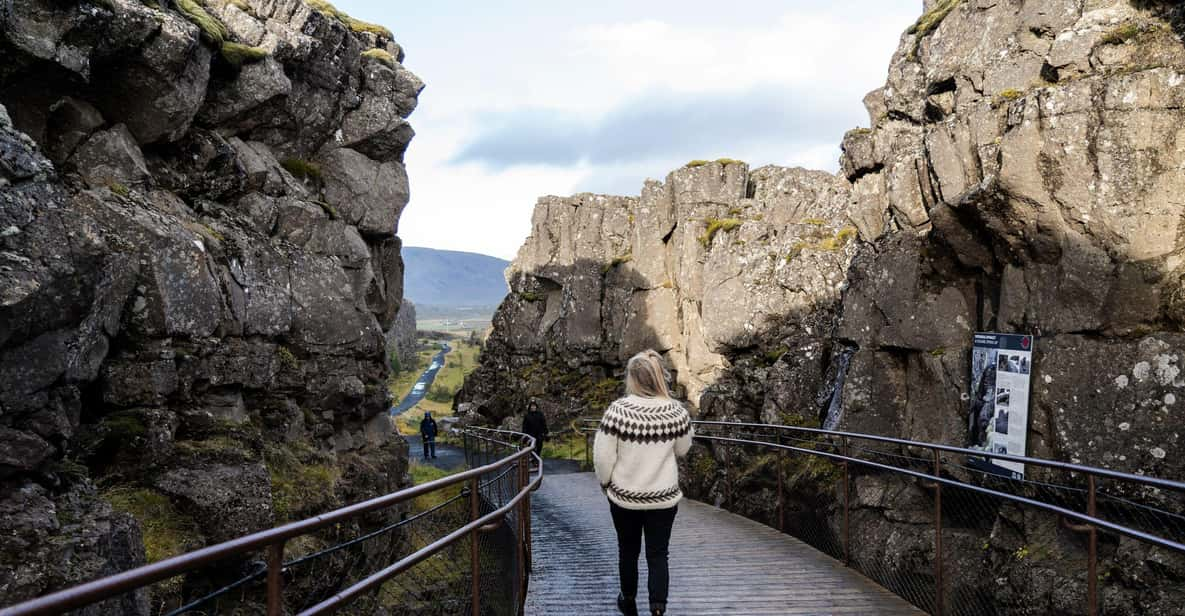
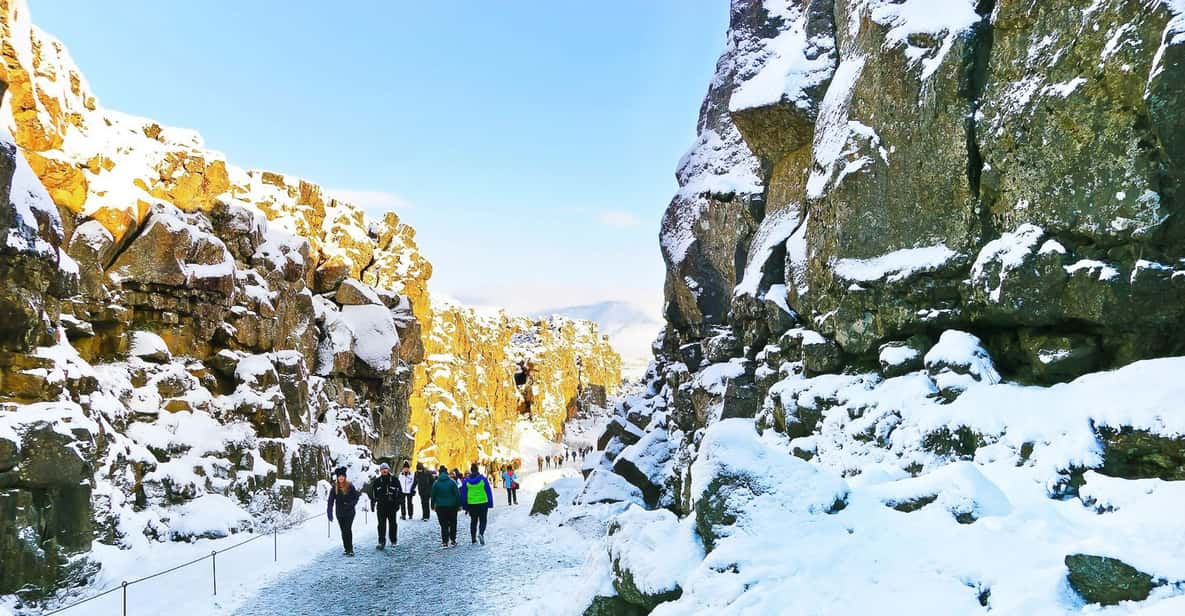
The day starts with Iceland's most famous loop: Þingvellir National Park, the Geysir geothermal area, and Gullfoss waterfall, all in daylight. You stand in the rift where North America and Eurasia drift apart, watch Strokkur erupt, and hear the Hvítá river fall 32 metres into its canyon.
After the waterfall the coach returns you to central Reykjavík with a few hours free for dinner before the evening portion.
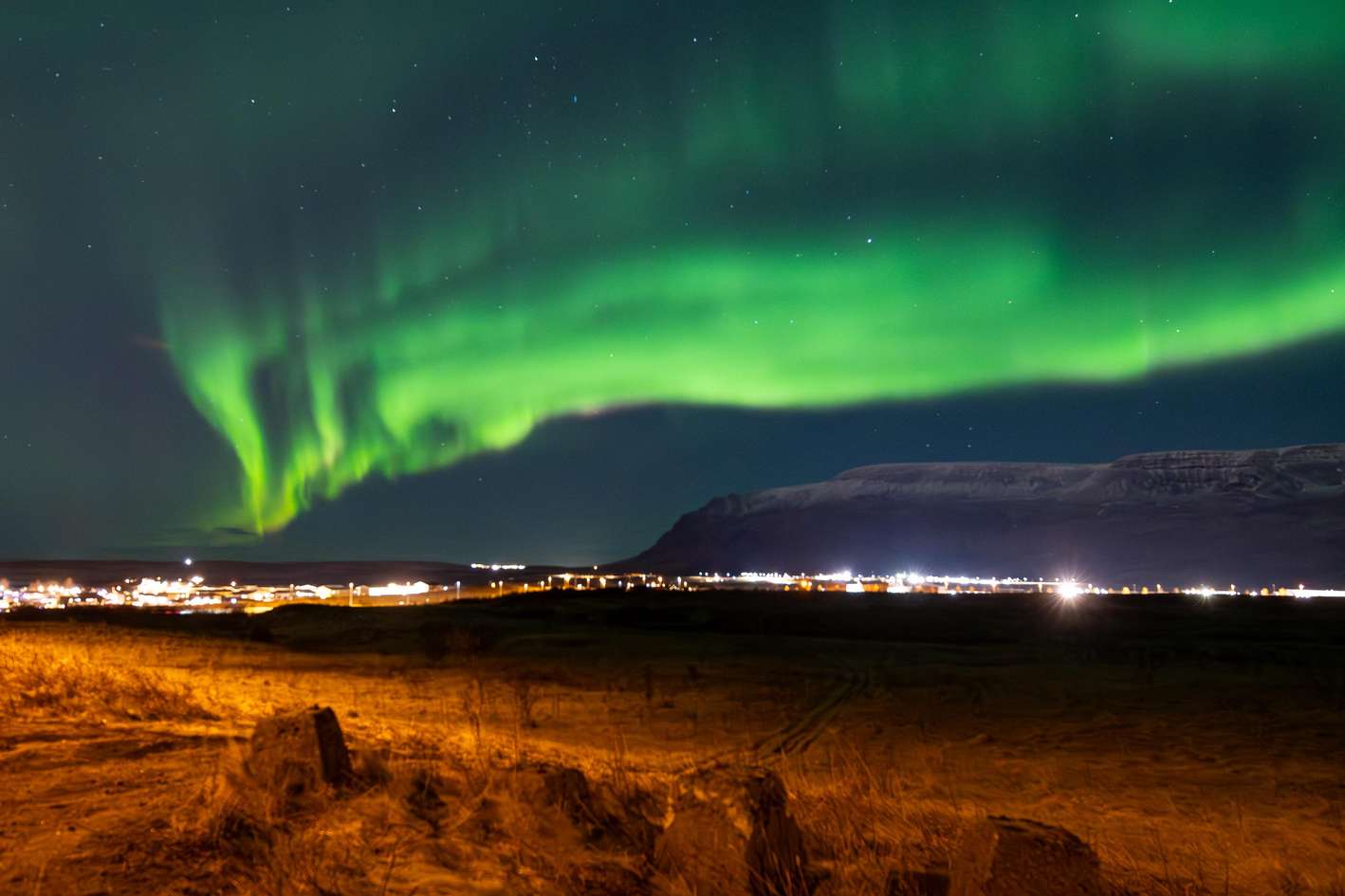
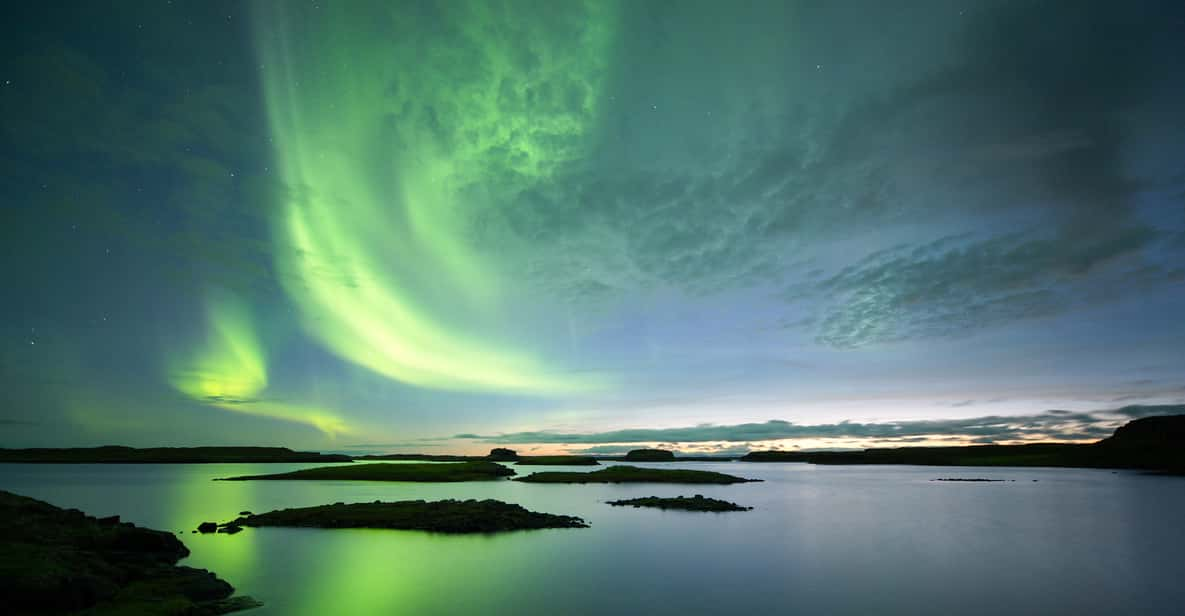
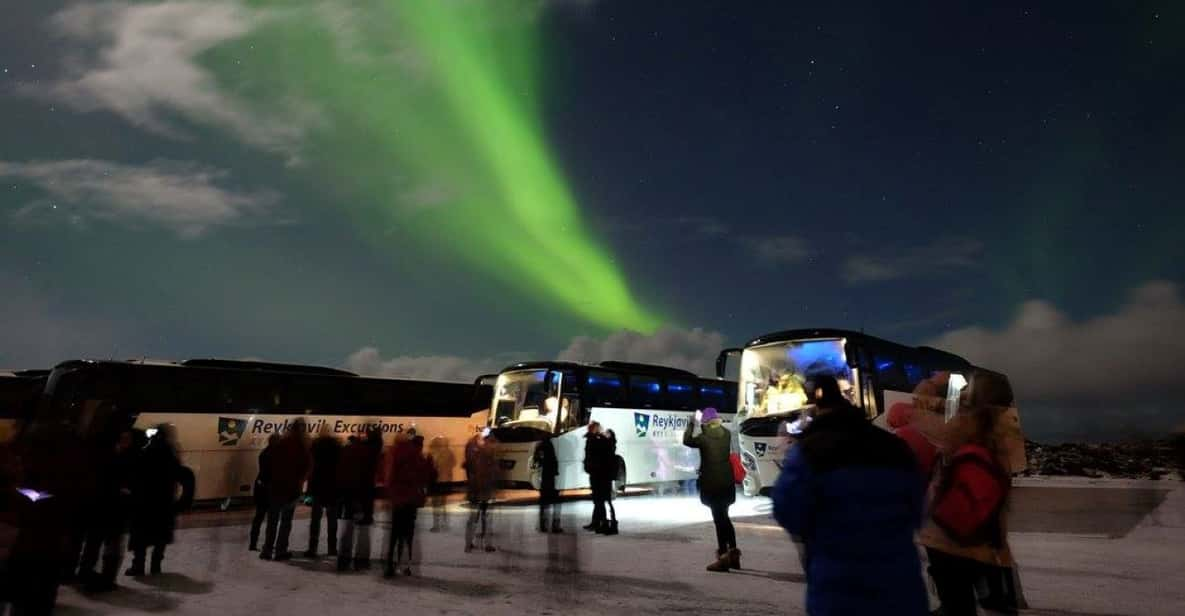
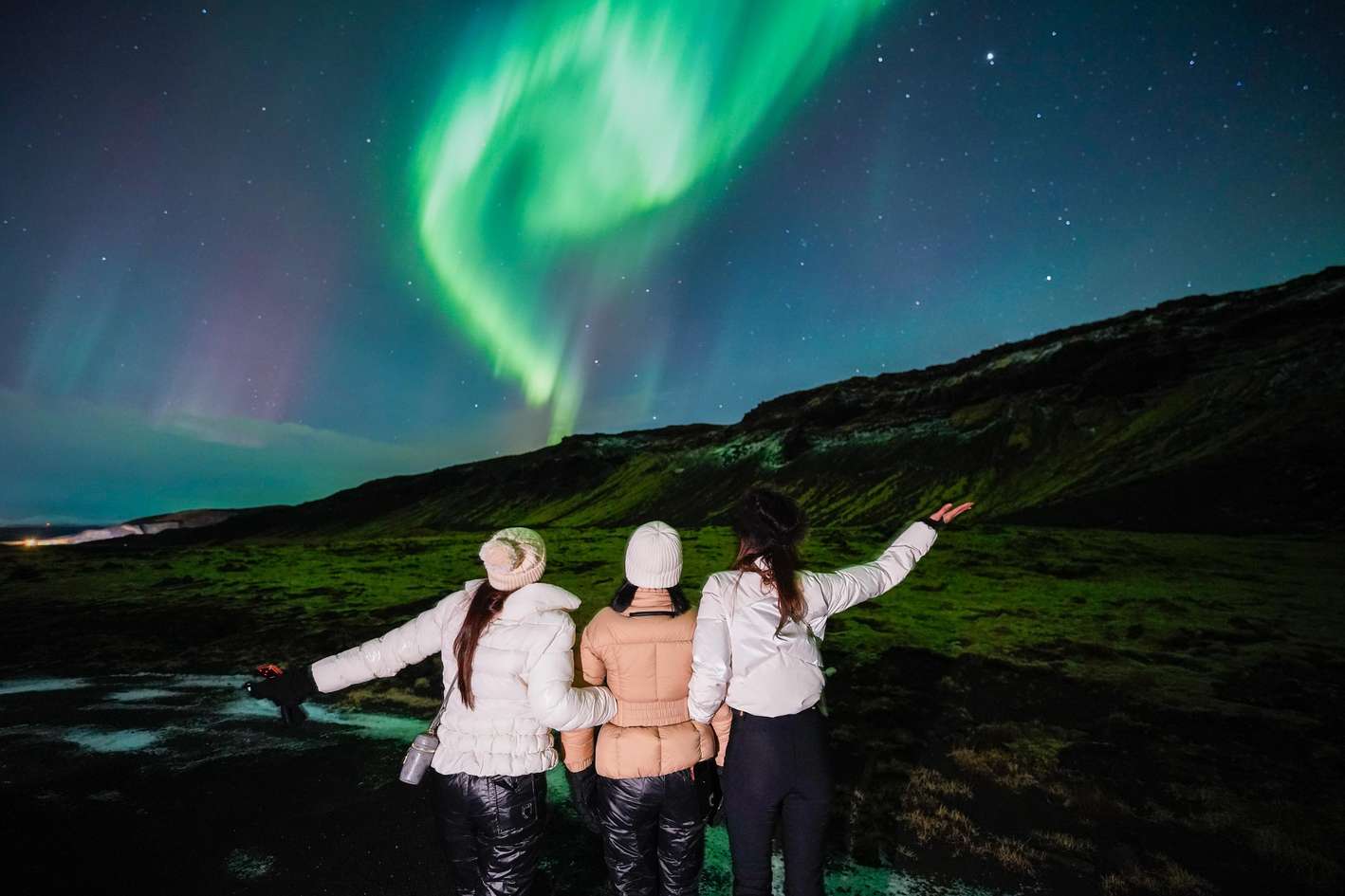
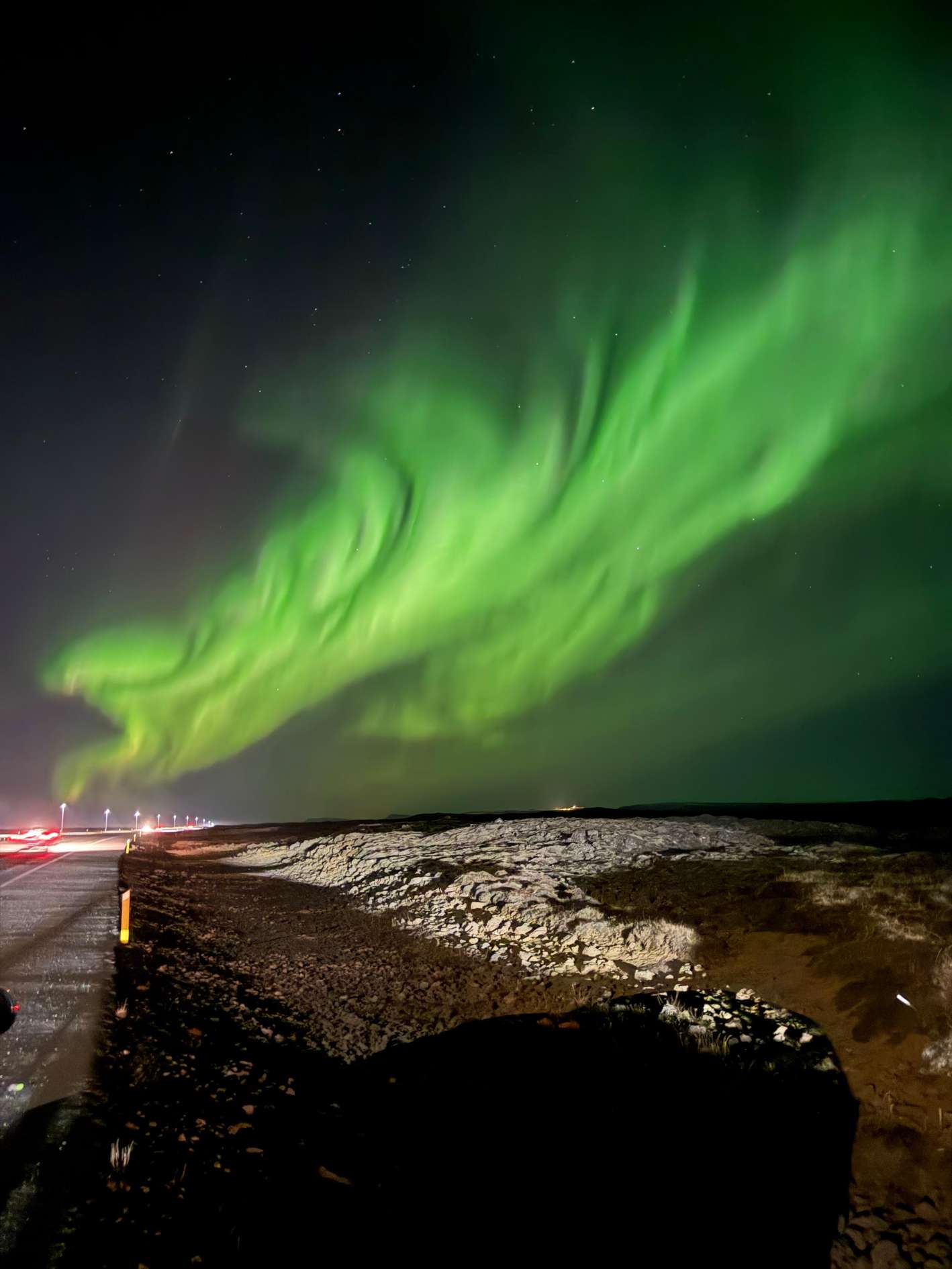
A second guide trained to read cloud cover and aurora forecasts takes over, and the hunt heads into the countryside away from city lights. Camera setup help comes included, and if the sky stays clouded over you can join another night free.
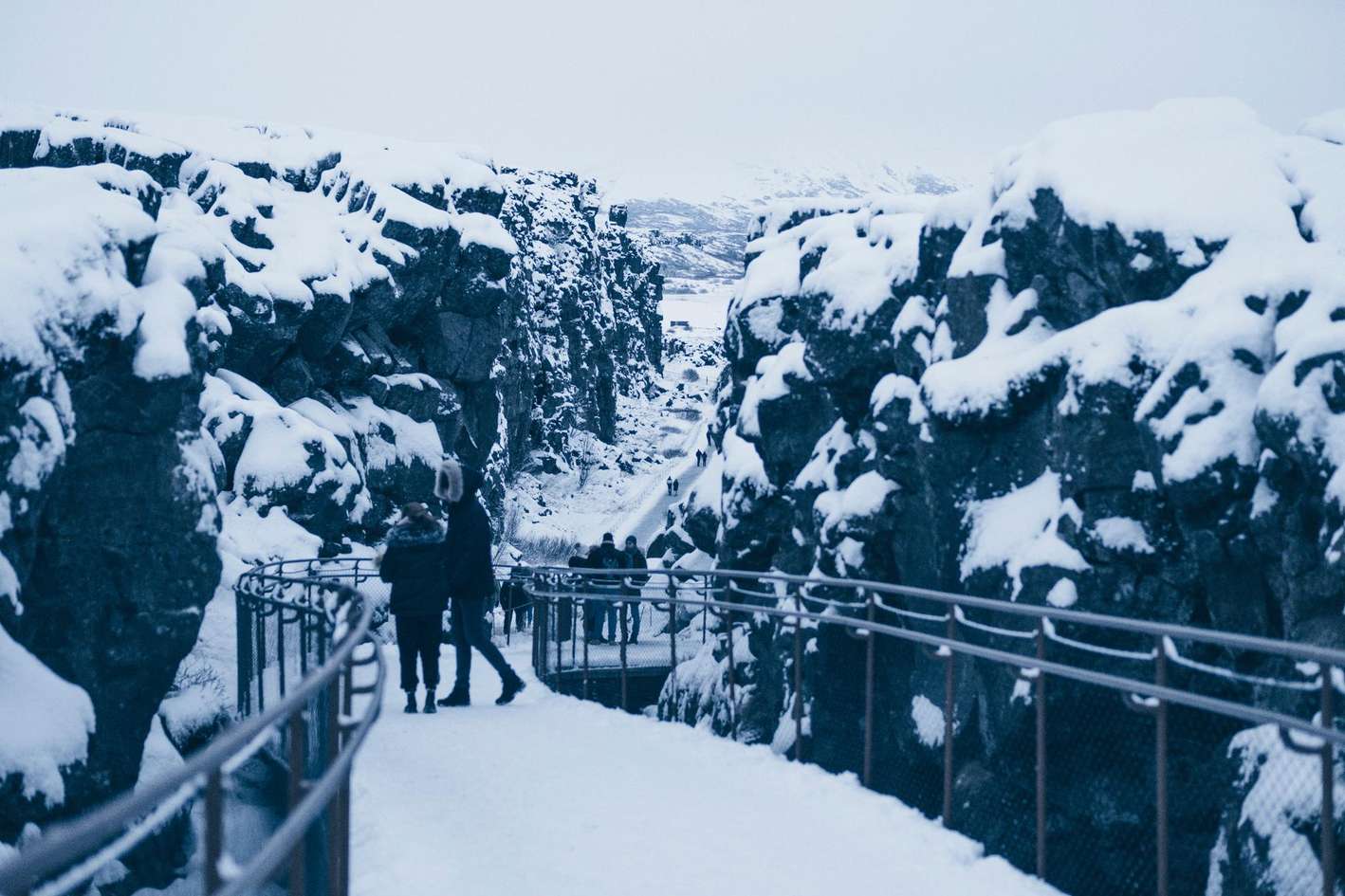
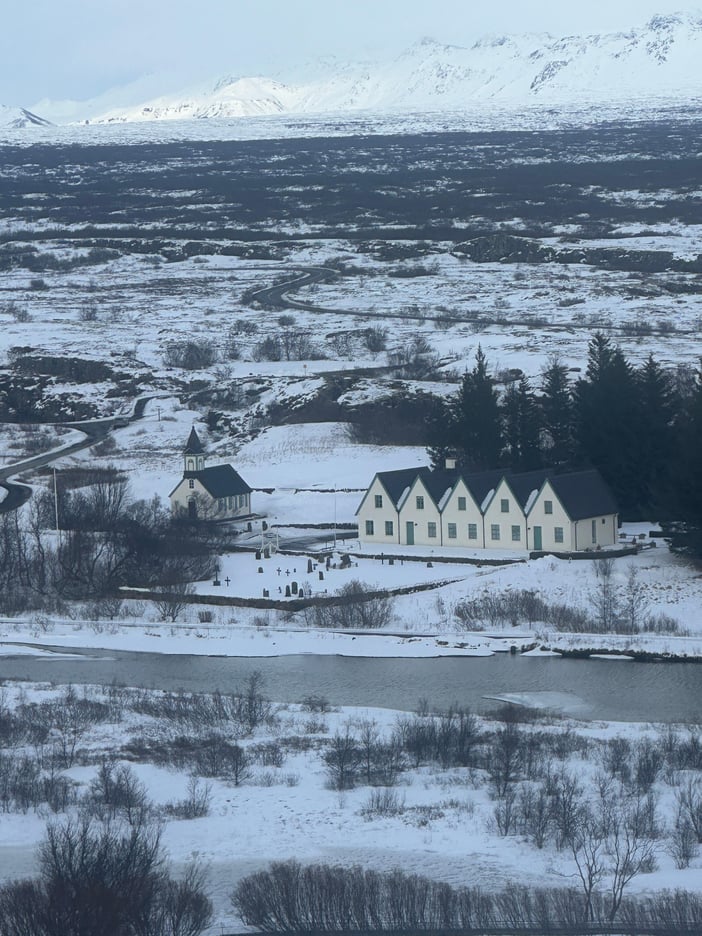
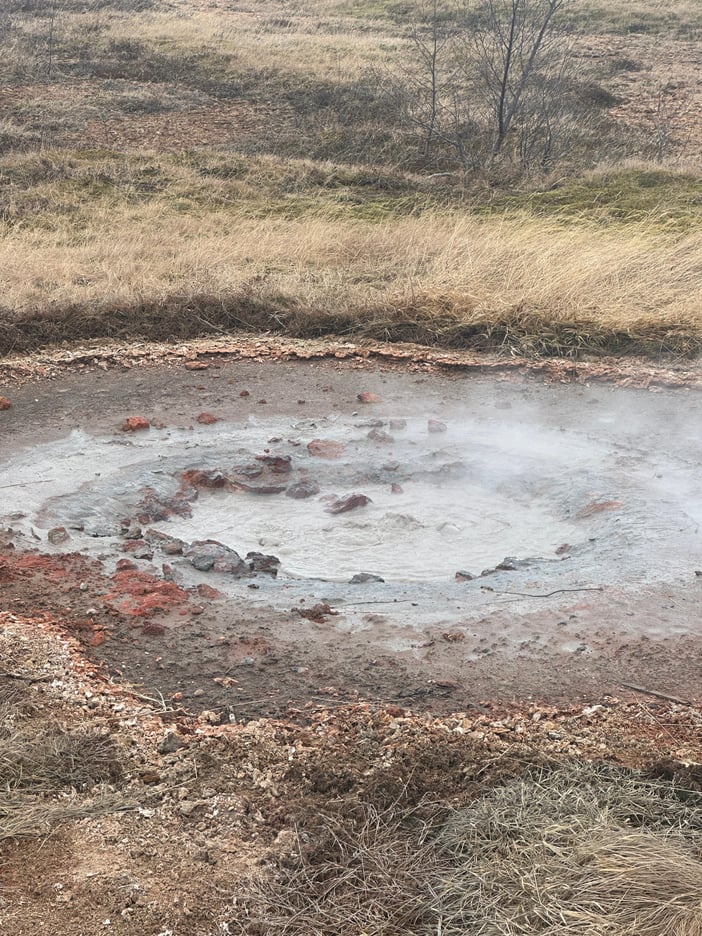
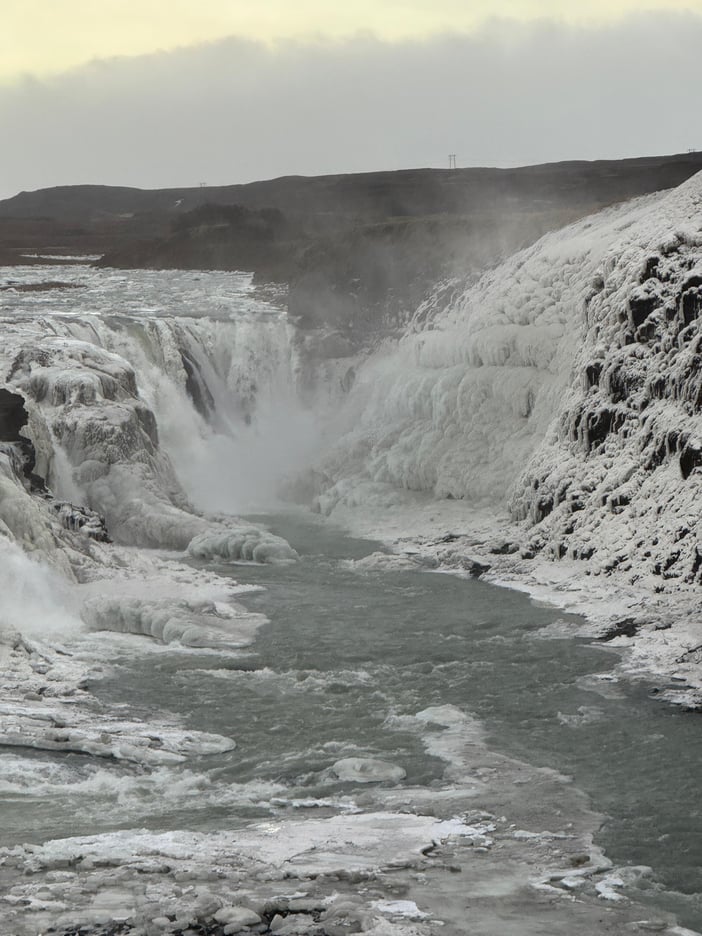
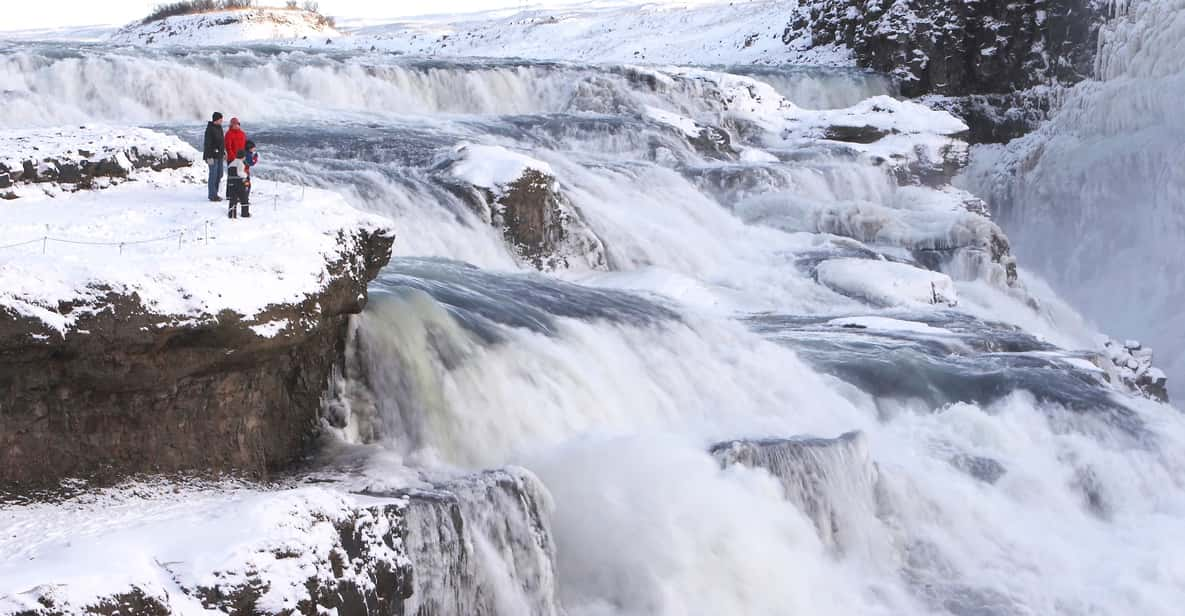
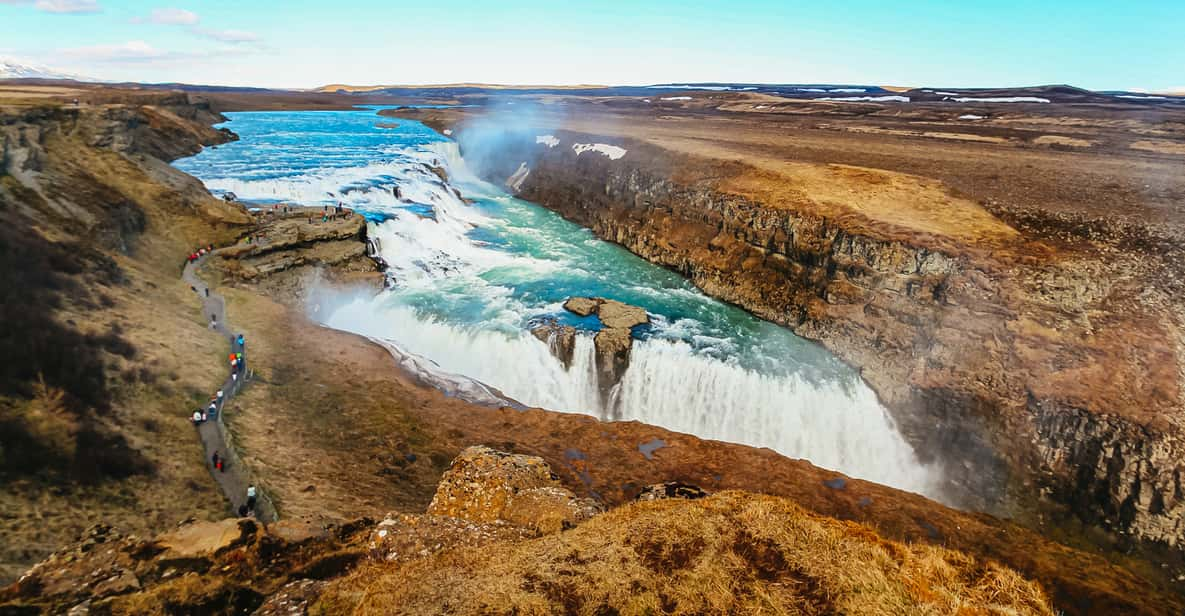
Pickup32 places, depending on your optionStreet ViewMeeting pointBSÍ Bus Terminal ReykjavíkStreet ViewStop 3Thingvellir National Park· 45 minOne of the few places on Earth where the boundary between two tectonic plates sits above ground. You walk through the rift and see where North America and Eurasia pull apart.Stop 4Geysir· 60 minA field of boiling pools and steam vents. Strokkur erupts every 6 to 10 minutes, its plume usually reaching 15 to 20 metres, sometimes 40.Stop 5Gullfoss Waterfall· 60 minThe Hvítá river drops 32 metres in two tiers into a canyon with 70-metre walls. In midwinter, freezing mist builds large ice formations on the rock.Stop 6Reykjavik· 180 minBack in town with free time between the two parts of the day. You are dropped off close to restaurants and cafés, so dinner fits easily before the evening pickup.From this tourDrop-off33 places, depending on your optionStreet View
Included
Hotel pickup and drop-off (if option is selected)Local guide for Golden CircleSpecially-trained Northern Lights guideInstructions on how to set up your camera to capture the Northern Lights and the night skyWi-Fi and USB charger for each seatMultilingual audio guide available via our app.
Not included
Food and drinksHeadphones for the audio guide
Iceland Golden Circle and northern lights tours compared
decisions to run the evening hunt happen by late afternoon
Green marks the lowest price. Each price says whether it is per person or per group.
Tour
Price
Duration
Pickup
Best for
Our pick
From Reykjavik: Golden Circle and Northern Lights Tour
4.1★ (707)
from $162per person
9 hours
yes
travelers who want a guided full combo with camera tips for the night hunt
Most reviewers praise the guides' knowledge and good humor, and many say the aurora showed up for them.
Best surprise
Many loved the afternoon break in Reykjavik between the two tours, and rebooking after clouds was easy.
Most common wish
Several wished someone had spelled out the pickup points and timing for both parts of the day.
How to book an Iceland northern lights and Golden Circle tour
book the first night, retries need spare evenings
01
Pick the first night of your trip
Book the Golden Circle and northern lights tour for your first full day in Iceland. If clouds later cancel the aurora chase, the rest of your stay stays open for a free retry.
Pro tipA retry offer is worth little if you fly home the next morning, so the first night is the one that matters
RecommendedHold your date as soon as flights are set, before winter months sell out
02
Choose the option that fits your day
The nine-hour combo runs as a meeting-point version or with hotel pickup from selected locations. The 9 am departure returns around 5:30 pm with the aurora hunt at 8:30 pm; the later version returns around 7 pm for a 9:30 pm start.
Common mistakeExpecting the coach at your hotel door, downtown Reykjavik uses numbered bus stops instead
RecommendedThe earlier departure leaves a longer dinner break before the night hunt
03
Pay and keep the cancellation terms in mind
Complete the booking online and wait for the confirmation with your pickup details. You can cancel up to 24 hours in advance for a full refund, so an early reservation stays low-risk.
Pro tipPlans shift with the weather in Iceland, and that 24-hour window lets you move a booking without losing money
04
Sort out the voucher and meeting point
Your voucher arrives digitally and boarding works from a phone screen, so no printing is needed. If your hotel sits inside the downtown driving-restriction zone, the operator assigns your nearest numbered bus stop.
ImportantYour assigned pickup point can be a 5- to 10-minute walk from your hotel, so find it on the map before dark
RecommendedNote the pickup time in your booking, transfers often start 30 minutes before departure
05
Know what happens on the day
The morning covers Thingvellir, Geysir, and Gullfoss, then you are dropped off downtown near restaurants and cafes. Eat dinner, warm up indoors, and be ready for the evening pickup to chase the lights.
RecommendedPack wool base layers and waterproof boots in the morning, you will stand still in the cold at night
Common mistakeHeading out in jeans, damp cotton loses all warmth while you wait under the sky
What to know before you book an Iceland Golden Circle and northern lights tour
strokkur erupts every 6 to 10 minutes
Can stop the dayGood to knowGood news
01
ChoosingWhat it is, who it suits, when to go
4
Daylight
Midwinter light runs from a sunrise near 11 am to a sunset around 3:30 pm in December. The Golden Circle leg uses that midday window, so the drive out happens in dawn and dusk light while the stops themselves sit in daylight.
The break
The combo is two tours with a gap in town between them. One tour's 9 am departure returns around 5:30 pm with the aurora hunt starting at 8:30 pm; another returns at 7 pm and heads out at 9:30 pm. That leaves time to rest and eat.
Food costs
Meals are usually not included. The Gullfoss visitor center café serves hot soup and drinks, and several tours hand out hot chocolate on the evening leg. Entry to Thingvellir, Geysir and the Gullfoss viewpoints costs nothing.
Restrooms
All three main stops have public toilets. The Geysir Center ones are free, Gullfoss has free restrooms in the café during opening hours, and at Thingvellir the free ones sit by Öxarárfoss and the P5 lot.
02
BookingHow far ahead, and what happens if plans change
3
Cancellation
Operators weigh the cloud maps during the late afternoon and email you by around 6:30 pm if the evening chase is called off. A weather cancellation before you take part brings a full refund or a free reschedule to another night.
Retry
If the tour runs but the aurora never shows, the operators on this page let you join another evening free of charge. On one private tour, an aurora portion cancelled for unsafe roads brings a refund for that part.
When to book
Put the combo on your first full night in Iceland. If clouds cancel the hunt or the lights stay quiet, the free retry still has your remaining evenings to work with, and small-group tours sell out weeks ahead in peak months.
03
Before you goPapers, health, what to bring
2
Clothing
You will stand still in the cold for an hour or more, so skip jeans, which cool fast once damp. Wear a merino base layer, a fleece mid-layer and a windproof shell with waterproof trousers, plus thick socks and insulated boots.
Age limitsCan stop the day
The long days test young children. One 12-hour Golden Circle and northern lights tour admits no one aged 7 or younger, and some evening tours set their own minimum ages. Check the age rule for the exact tour before you book.
04
On the dayWhere to be, when, and how you get there
1
Pickup
Every combo tour here can collect you from central Reykjavik. Coaches stay out of the narrow downtown streets, so central hotels get assigned a numbered bus stop within a short walk; pickup usually starts 30 minutes before departure.
05
During the tourWhat is expected of you
1
Photos
Guides help with camera settings, and several tours include photos of you under the lights. Cold drains phone batteries fast, so carry a spare or keep the phone warm inside your jacket until you need it.
Guide - Iceland Golden Circle and aurora day, hour by hour
gullfoss mist freezes into ice shelves on the walls
Fourteen to sixteen hours, door to door, from a 9 am pickup to a return after midnight. Here is every hour of the Iceland Golden Circle and aurora day, and what decides whether it works.
Reykjavik· 64.14° N, 21.88° W
If you only remember three things
1
Book the aurora hunt for your first night, so the rest of your trip holds room for free retries.
2
Wear merino layers and waterproof boots, because guides can refuse boarding without proper outerwear.
3
Nine to eleven of the day's fourteen to sixteen hours are touring; the rest is a dinner break in town.
How your Iceland Golden Circle and aurora day runs
The day starts at a numbered bus stop around 9 am, before the winter sun has bothered to rise.
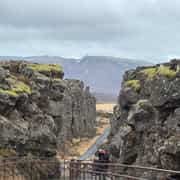
The coach heads east out of Reykjavik in the grey, and the first stop, Þingvellir, waits in the dawn light at the gorge where the North American and Eurasian plates pull apart above ground, one of the few places on Earth where a plate boundary sits exposed.
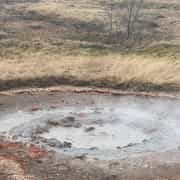
Then Geysir. Strokkur throws boiling water every 6 to 10 minutes, usually 15 to 20 metres high, and the crowd gathers in a ring well before each eruption.
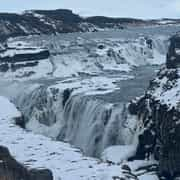
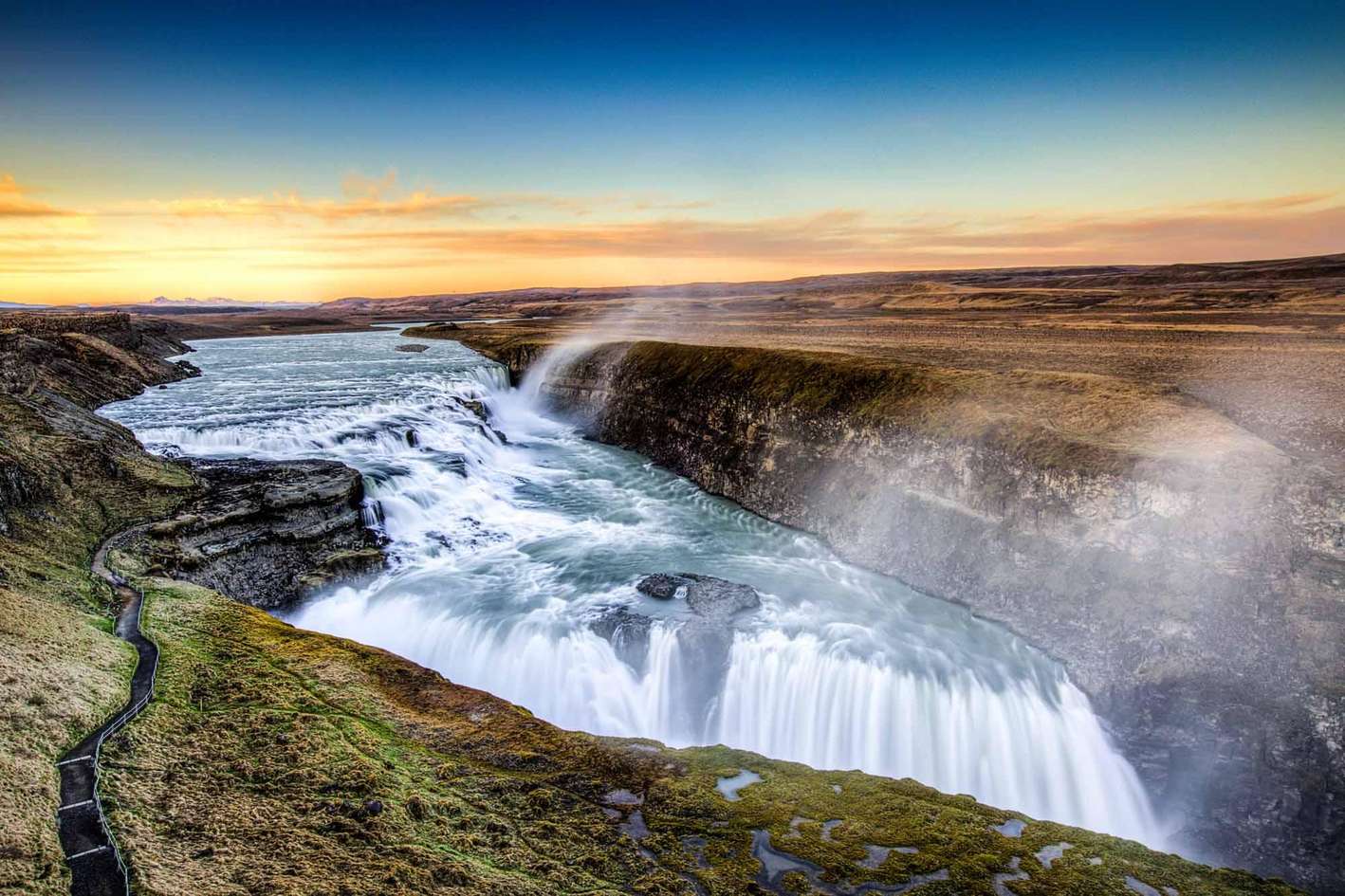
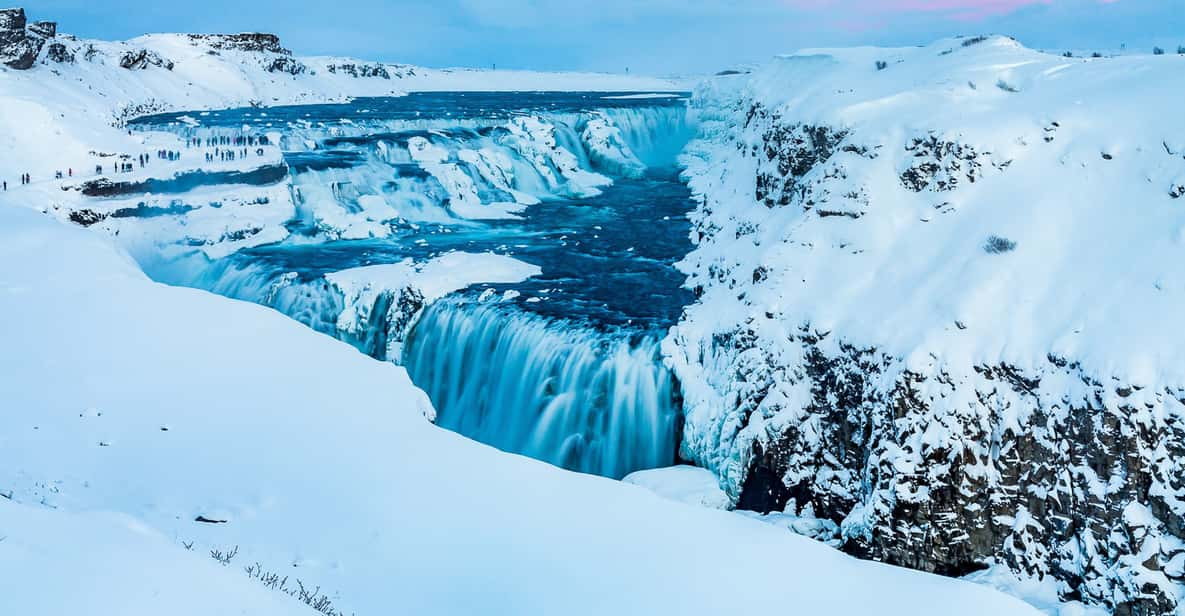
Gullfoss comes last, close to sunset: the Hvítá river drops 32 metres in two stages, and in deep winter the mist freezes into ice shelves on the canyon walls. The water never stops moving, even at minus ten.
By 5:30 pm you are back downtown, and that break is the day's secret. A hot dinner, dry socks, maybe a nap. The evening pickup comes at 8:30 pm on most combos, and the aurora chase returns between midnight and 1:30 am, later when the lights run long. Never book anything early the next morning.
Here is the whole day laid out, so you can see where your energy goes:
The Iceland Golden Circle and aurora day, hour by hour
1
9 am
Morning departure from Reykjavik
The first driving legs run in the dark
2
10 am to 3:30 pm
Þingvellir, Geysir and Gullfoss
Midday light covers the three stops
3
5:30 pm
Drop-off downtown
Free hours for dinner and a rest
4
8:30 pm
Aurora pickup
Second tour departs, hotel pickup from central stops
5
Midnight to 1:30 am
Return to Reykjavik
Late chases can end after 2 am
For the From Reykjavik: Golden Circle and Northern Lights Tour, that 5:30 to 8:30 pm gap is exactly the shape of the day.
Tour for this
From Reykjavik: Golden Circle and Northern Lights Tour4.1★ (707) · 9 hours · Hotel pickup · Free cancellation
Fourteen to sixteen hours from morning departure to late-night return sounds like a punishment until you count how the hours split. A classic Golden Circle circuit runs 6.5 to 8 hours on its own. The evening chase adds another 3 to 4 hours. The hours in town between them are what keep the total humane.
Put the two formats next to each other and the picture is clear:
Tour duration for day trips versus aurora combos
6.5 to 8 hoursclassic daytime circuit
9 to 11 hoursextended aurora combo tour
Active touring time lands at 9 to 11 hours, and the remaining stretch is dinner, a shower, maybe a lie-down. That is why the combo beats booking two separate days. Two separate bookings mean two pickups, two operators, two chances to lose an hour on logistics.
For a short three- or four-day winter stopover based in Reykjavik, the combo is the most efficient way to see Iceland without renting a car. The daylight sightseeing is done by late afternoon, so an evening hunt costs you nothing you needed for anything else.
The trade is real, though: you will be tired by the time the bus reboards, and the cold has a second act waiting after dark. Plan a slow day after.
Tour for this
From Reykjavik: Golden Circle and Northern Lights Combo4.4★ (398) · 9 hours · Hotel pickup · Free cancellation
December gives the sun 4 hours and 22 minutes of work, sunrise at 11:08 am and sunset at 3:30 pm. That sounds fatal to a three-stop day, and it is exactly the problem the schedule is built around. The coach does its driving at dawn and dusk, and the midday light does the stops.
Winter daylight and tour schedule for Golden Circle combo
4h 22m of daylight
123
000612182411:08 am sunrise3:30 pm sunset
19 am Golden Circle departure25:30 pm Return to Reykjavik38:30 pm Northern lights departure
DarkDaylightSunrise and sunset, averaged for Dec
Þingvellir gets the first slot, around 10 to 11 am in morning twilight. Geysir lands near solar noon, at about 1:30 pm, when the low sun sits behind Strokkur's plume and backlights every eruption. Gullfoss comes before the 3:30 pm sunset.
The schedule is built around the sun. The two light-starved hours belong to the road, which nobody photographs anyway.
In December and January the stops all happen, but expect the drive to bookend everything in darkness, and pack a camera that copes with twilight.
Tour for this
Reykjavík: Golden Circle & Northern Lights with Hot Cocoa4.5★ (52) · 12 hours · Hotel pickup · Free cancellation
The strongest overlap of snow, daylight and dark skies falls in February and March. February averages close to 13 snowy days and nearly 12 hours of nightly darkness, with clear chase nights still plentiful.
Snow, daylight, darkness, and clear night skies by month
January: 5 out of 5 for how busy it gets. Tour demand peaks with snowy landscapes and nearly 14 hours of darkness, but daylight lasts under six hours.
HighestNov to Mar
In betweenOct
LowestApr to Sep
Darker: a higher how busy it gets score, out of 5
Tap a month to read it.
January: snow on 14 days. Tour demand peaks with snowy landscapes and nearly 14 hours of darkness, but daylight lasts under six hours.
HighestDec to Mar10.2 to 14 days
In betweenApr, Nov5 to 5.4 days
LowestMay to Oct0 to 3.4 days
Darker months: higher, from 0 to 14 days
Tap a month to read it.
June: 20.8 hours of daylight. The midnight sun brings 21 hours of daylight and zero darkness, so aurora tours do not run.
HighestMay to Aug16.3 to 20.8 h
In betweenMar to Apr, Sep11.8 to 15.1 h
LowestOct to Feb4.4 to 9.7 h
Darker months: higher, from 4.4 to 20.8 h
Tap a month to read it.
December: 14.6 hours of darkness. Deep winter brings heavy snow and nearly 15 hours of darkness, but daylight drops to just over four hours.
HighestOct to Feb10.8 to 14.6 h
In betweenMar, Sep7.3 to 8.7 h
LowestApr to Aug0 to 3.8 h
Darker months: higher, from 0 to 14.6 h
Tap a month to read it.
December: 20 clear dark nights within 75 km. Deep winter brings heavy snow and nearly 15 hours of darkness, but daylight drops to just over four hours.
HighestMar, Sep to Jan14 to 20 nights
In betweenFeb, Apr11.7 to 13 nights
LowestMay to Aug0 to 6.3 nights
Darker months: higher, from 0 to 20 nights
Tap a month to read it.
Midwinter, December and January, offers peak darkness and peak snow but squeezes sightseeing into 4.4 to 5.6 daylight hours, and it is the busiest stretch of the season, roughly double an ordinary month's tour volume around Christmas and New Year. September and October are quieter shoulder months with fewer dark hours.
September through March is the window, and February or March gives you all three variables. May, June and July are out entirely: commercial aurora tours close by mid-April and only resume in late August, when night returns for roughly two hours a night. Check your dates against the season, then book the month.
Tour for this
From Reykjavík: 5-Day Northern Lights Hunt & Glacier Lagoon5.0★ (11) · 5 days · Free cancellation
Coach, minibus or private Iceland Golden Circle combo
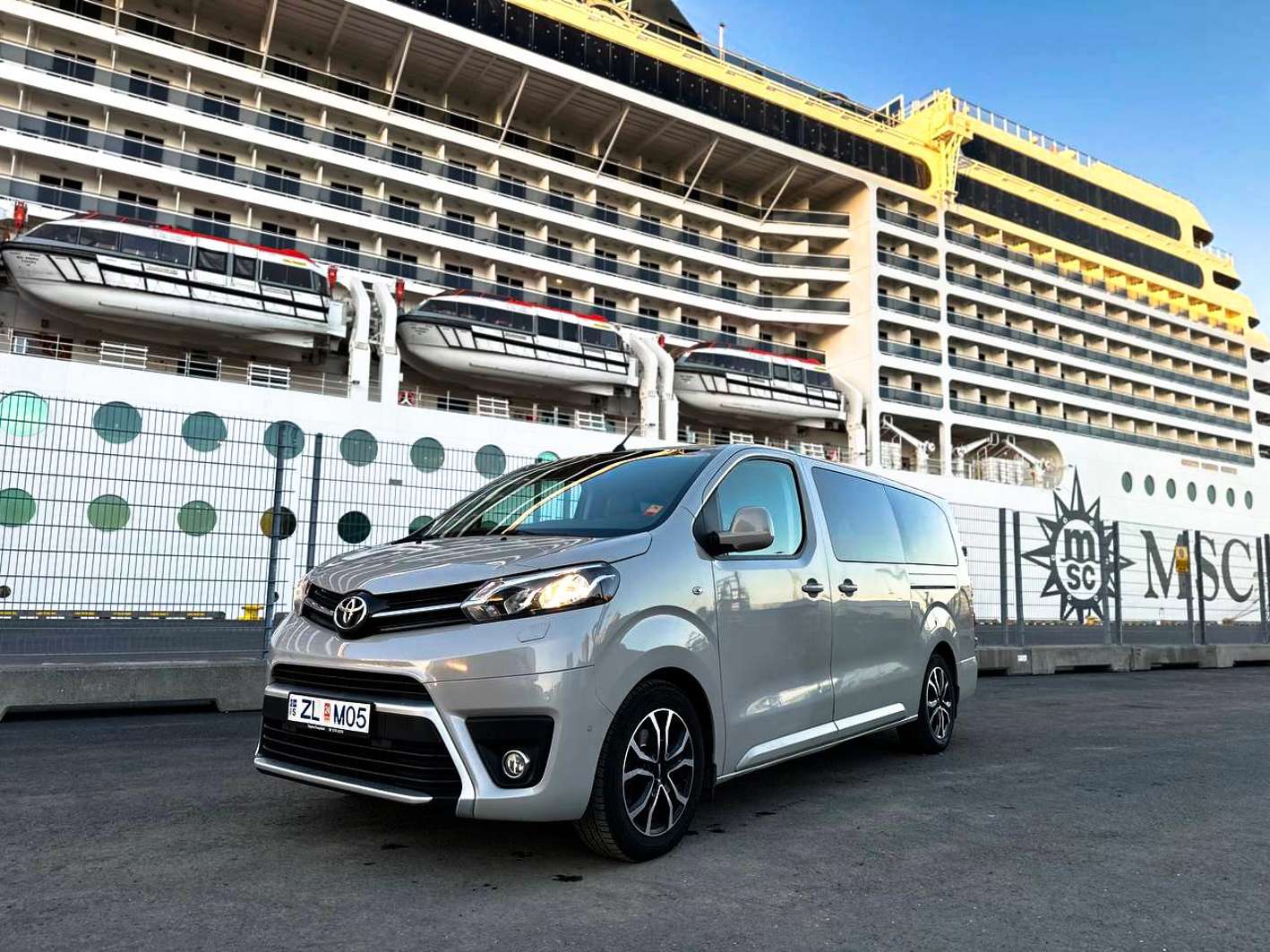
Three formats run this day, and the differences show up faster than the brochures admit. The large coach is the dependable, cheapest baseline: it reaches dark skies without you touching a winter road, but the first and last hours go to hotel pickups, photo stops run short, and one late passenger holds the whole bus.
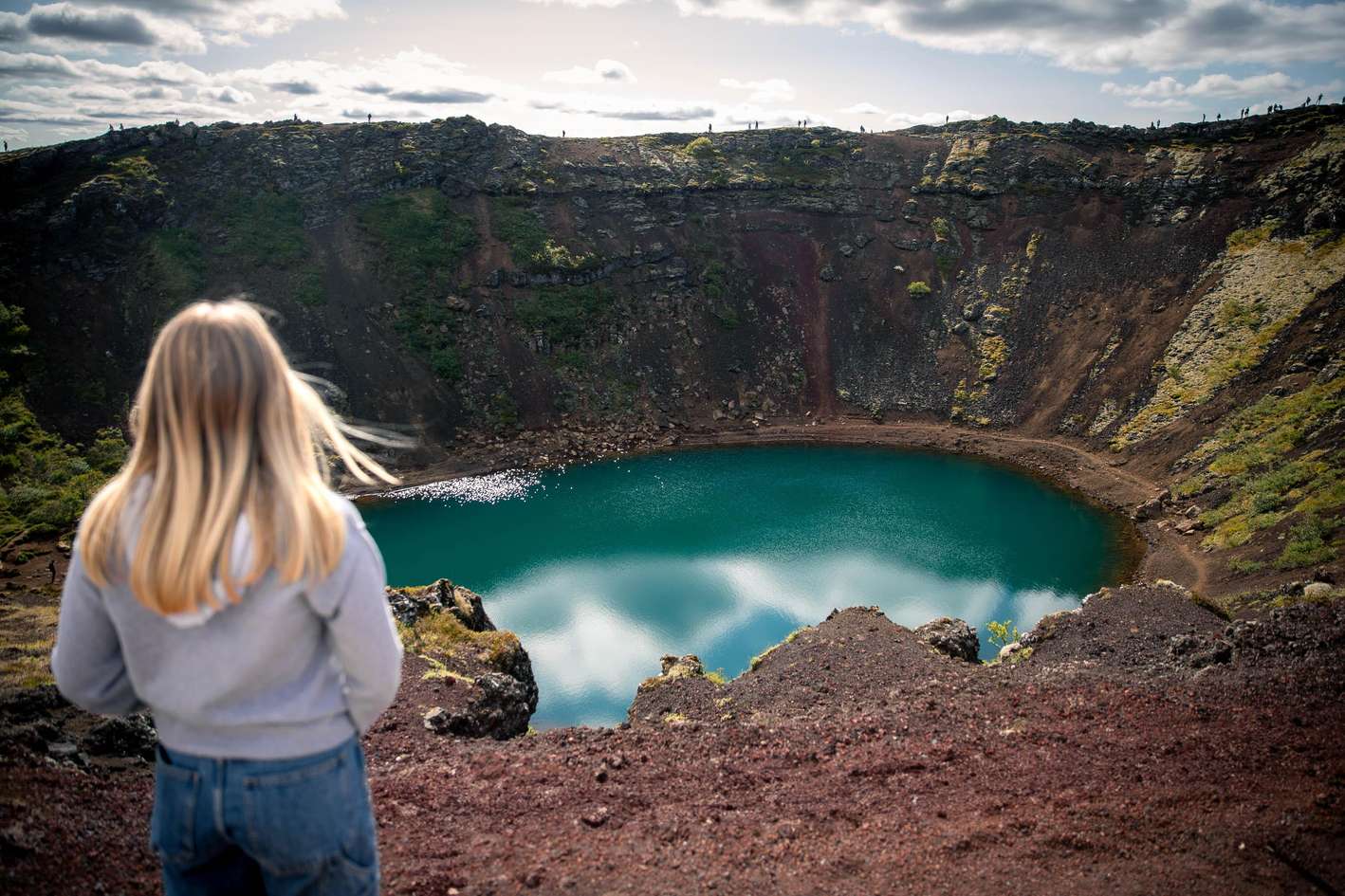
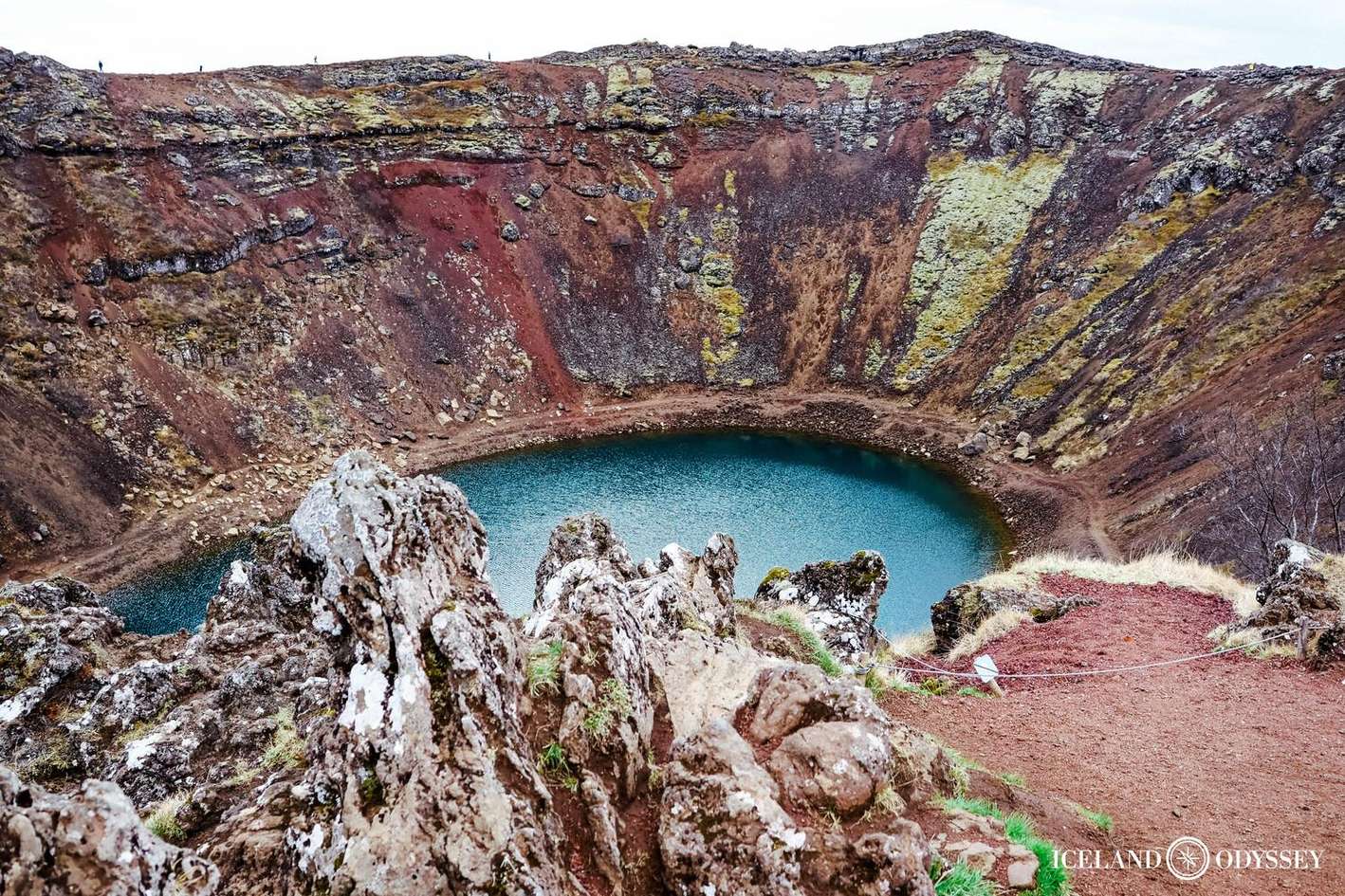
The minibus buys time and comfort. Group sizes stay around 12 to 20 passengers, so waits at the Gullfoss and Geysir cafés shrink, and the guide can skip crowded lots and add stops at farms or Kerið, with camera help and hot chocolate along the way.
It costs noticeably more than a coach, and the ride on gravel roads is bumpier.
The private van is your own schedule entirely. The Reykjavik: Private Golden Circle with Northern Lights route fits the day to your party and includes tomato soup at Friðheimar, though the price is in a different league.
Coach, minibus and private, side by side
A full coach of around 50
12 to 20 passengers
Your party only
Waiting at stops
Long, one latecomer holds everyone
Short
You set the pace
Extra stops like Kerið
Rarely possible
Guides can add them
Fully flexible
Cost level
The cheapest of the three
More than a coach
The most by far
Families
Yes, but check age rules
Check age rules on long days
Most adaptable
A full coach of around 50
Waiting at stops
Long, one latecomer holds everyone
Extra stops like Kerið
Rarely possible
Cost level
The cheapest of the three
Families
Yes, but check age rules
12 to 20 passengers
Waiting at stops
Short
Extra stops like Kerið
Guides can add them
Cost level
More than a coach
Families
Check age rules on long days
Your party only
Waiting at stops
You set the pace
Extra stops like Kerið
Fully flexible
Cost level
The most by far
Families
Most adaptable
One hard number for families: on a 12-hour combo, children aged 7 and younger are not permitted, and the cold waits make it tiring work. The Reykjavík: Golden Circle & Northern Lights with Hot Cocoa tour bundles Kerið's gate fee and hot chocolate in, which the coach and minibus options often leave out.
Tour for this
Reykjavík: Golden Circle & Northern Lights with Hot Cocoa4.5★ (52) · 12 hours · Hotel pickup · Free cancellation
The city bans commercial coaches and minibuses from downtown Reykjavik's narrow historic streets, so no tour will collect you at your hotel door if you sleep in the 101 or 105 postcode area.
Instead the city runs 14 numbered tourist bus stops around the edge of the restricted zone, each a 5- to 10-minute walk from central hotels and guesthouses.
Operators assign the nearest numbered stop to your accommodation, and one operator lets you change your pickup point online up to 2 hours before departure. Contact the activity provider if you are unsure where to meet.
If the transfer vehicle has not come within the first 20 to 25 minutes of the pickup window, call the operator at once. Collection is still underway at that point, and another stop can sometimes be arranged.
The practical corollary: base yourself centrally. Operators run these days almost exclusively out of central Reykjavik, and an airport hotel in Keflavik turns a coordinated combo into a private-transfer problem. Book a room in town, walk ten minutes to the stop, and let the logistics stay boring.
What to wear on an Iceland Golden Circle and aurora day
The day runs on three climates: a heated coach, freezing waterfall spray at Gullfoss, and hours standing still in midnight snowfields. Standing still is the killer, because you generate no heat of your own for one to three hours while the wind works on you.
The fix is a three-layer system you can adjust. A merino wool or synthetic base layer wicks sweat so you do not chill stepping off the warm bus, a fleece or light down mid-layer unzips on the coach, and a windproof, waterproof hooded shell with over-trousers faces the spray and the gusts.
Insulated waterproof boots with deep tread, thick wool socks, a hat, gloves and a neck warmer finish it.
Layering system for bus tours and freezing stops
Merino wool base layer top and bottomsWicks moisture so you do not sweat on heated coaches, preventing sudden chills when stepping into freezing wind outdoors.
Fleece or packable down jacketTraps core heat and easily unzips or packs away to prevent overheating during long, warm bus rides between sights.
Wind- and waterproof hooded jacketBlocks biting wind chills and freezing waterfall spray at Gullfoss without stripping away built-up body heat.
Waterproof outer pantsProtects underlayers from soaking waterfall mist and icy gale winds while standing stationary in snowfields.
Waterproof insulated boots with gripInsulates against sub-zero ground temperatures and provides firm traction across packed snow and icy viewing paths.
Thick wool socksMaintains foot warmth during extended midnight standing, performing far better than cotton if feet get damp.
Thermal hat and windproof glovesStops rapid heat loss from your head and keeps fingers warm and agile while adjusting cameras in the dark.
Skip the jeans. Denim is cotton, it holds rain and ground moisture against your skin, and once damp it stops insulating while the wind strips the heat straight off it.
Guides on these winter excursions reserve the right to refuse boarding to anyone dressed unsuitably, because out there it becomes a safety problem. Waterproof beats warm-looking, every time.
Keeping cameras alive on an Iceland Golden Circle night hunt
Cold kills batteries before it kills the shot. In freezing temperatures a lithium-ion battery slows down chemically, and a camera can shut down even when the battery is half full.
The workaround is simple: keep a spare battery warm in an inside pocket, swap when the first dies, and let a cold phone warm up indoors before restarting it. Never charge a battery while it is still frozen, because charging damages the cell for good.
Your phone can carry the night on its own. Night mode picks up faint aurora colours with no pro gear needed: use the main 1x lens, since the ultra-wide and digital zoom handle darkness far worse, turn the flash off, and slide the exposure time to its maximum.
Prop the phone on a tripod or a solid surface, since a long exposure on a shaky hand is a green smear.
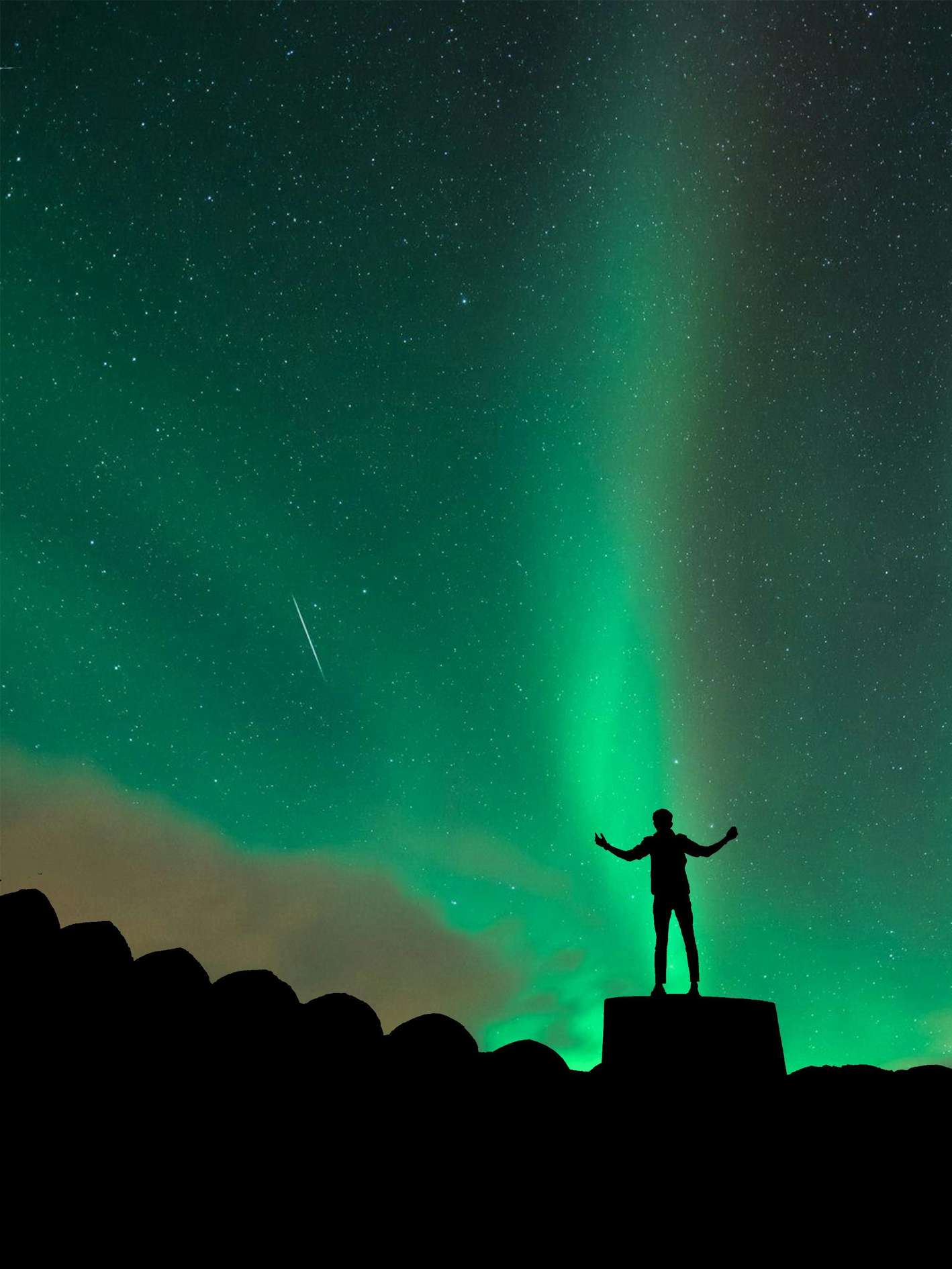
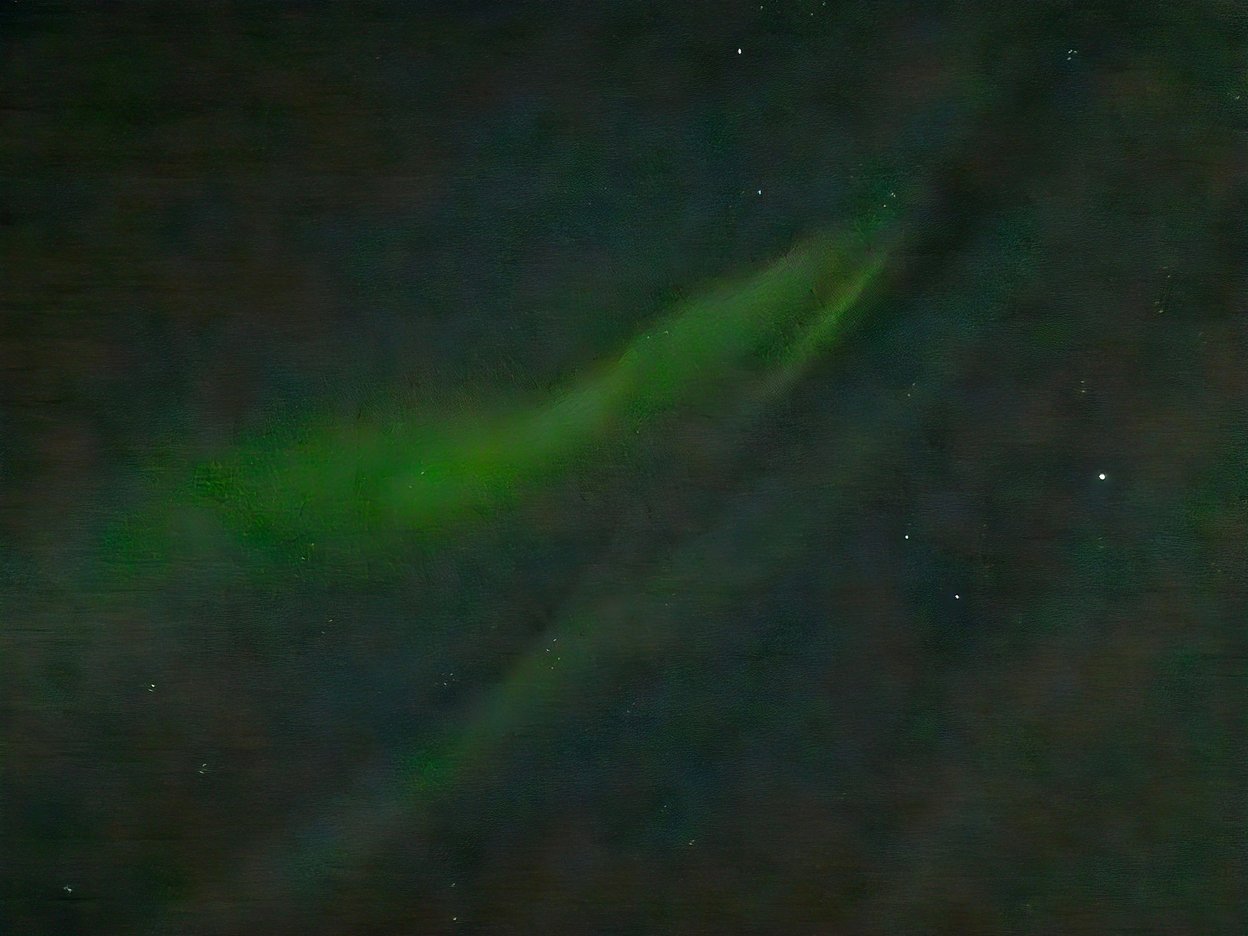
Here is the part that surprises everyone: the eye sees less than the camera does. A faint aurora reads as a grey haze to the naked eye while the sensor fills with green. Travelers say it again and again, and the guides work for it.
A traveler's note
Fantastic guide, good driver, great info all day. Couldn't see the lights but rebooking was easy and we saw them the next day. A great moment in life.
The dinner break on your Iceland Golden Circle day
The drop-off puts you downtown between the day and the night tour, usually with an hour or two and one job: hot food, fast. The useful cluster sits within a 2- to 4-minute walk of central pickup points like Bus Stop 1 at City Hall and Bus Stop 3 on Lækjargata.
Dirty Burgers & Ribs on Austurstræti serves burgers and ribs daily from 11 am to 10 pm. The Laundromat Café next door at number 9 runs burgers and nachos until 9 pm early in the week and 10 pm later, though it closes at 6 pm on Sundays.
Messinn on Lækjargata plates pan-fried fish straight from the skillet, fast and hot, from 11:30 am to 10 pm
Eat early and eat heavily, because the evening hunt runs long and cold. Most combos include no food at all, so the dinner is yours to fund, and a proper meal at 6 pm is what carries you through a midnight return.
A bakery lunch packed before departure also beats losing sightseeing time in a crowded visitor-centre cafeteria. Be outside your pickup point with time to spare; the bus will not wait.
Iceland Golden Circle refunds and retries when clouds cancel
The fear is simple: you pay for the lights, and the sky says no. The system is built for it.
Operators read satellite cloud-cover maps through the late afternoon, some deciding by around 4 pm, others waiting until 5 or 6 pm when the forecast is marginal, and most aim to email a cancellation by 6:30 pm.
A tour can still run on a weak aurora forecast as long as a safe chance of clear sky exists; it gets called off when cloud covers every sensible driving route.
If the evening departure is cancelled while the Golden Circle part has already run, guests are typically offered a reschedule, an alternative activity or a refund for the aurora portion, depending on the operator's terms.
If the tour goes out and no lights appear, you get a free retry on another night; cash refunds stay off the table once the tour operated.
Book the hunt for your first night. A retry needs a spare evening, and it is worth little if you fly home the next morning.
What happens when the weather changes the plan
If this happens
What happens then
Clouds cancel the evening departure
Reschedule, an alternative activity, or a refund of the aurora portion
The tour runs but no lights appear
Free retry on another night; no cash refund once the tour operated
The cancellation email arrives by 6:30 pm
Your evening is free, rebook for the next night
You miss your pickup
Call the operator at once, another stop may still be arranged
One wrinkle worth knowing: a faint display counts differently between operators. Some accept any aurora visible to the naked eye as a sighting, while others only count lights you could not have seen without a camera when the retry guarantee applies.
The Reykjavik: 6-Day South Iceland Tour with Northern Lights builds the retry into the structure, repeating the aurora tour the next evening if none appear.
Tour for this
Reykjavik: 6-Day South Iceland Tour with Northern Lights6 - 7 days · Free cancellation
Split the question in two, because the answers differ. Daytime Golden Circle driving in snow is straightforward if you slow down and keep full control of the car.
The aurora hunt is a different animal: dark rural roads, sudden black ice, blowing snow, extreme crosswinds and long stretches without guardrails, and pulling onto a soft snow shoulder can trap a vehicle on hidden ice.
Self-driving an aurora hunt shifts every decision onto you: reading the cloud forecasts, judging the roads, finding a legal, safe pull-off in the dark. Tour drivers do that work in real time, talking to each other and tracking weather models to find gaps in the cloud that a single car would miss.
The honest arithmetic: renting a car for one evening hunt is poor value, and a solo rental waiting out a cloudy night is a worse bet than a tour with a free retry.
Self-driving wins for groups of three or more who already have a vehicle for the whole trip, and for drivers comfortable on icy rural roads who know when to wait.
For everyone else, the guided combo is safer and less exhausting, and it handles the drive home after midnight.
Driving yourself
Rent a car in ReykjavíkCompare cars from the rental companies in one search, then pick yours.
Filling the rest of your Iceland Golden Circle trip
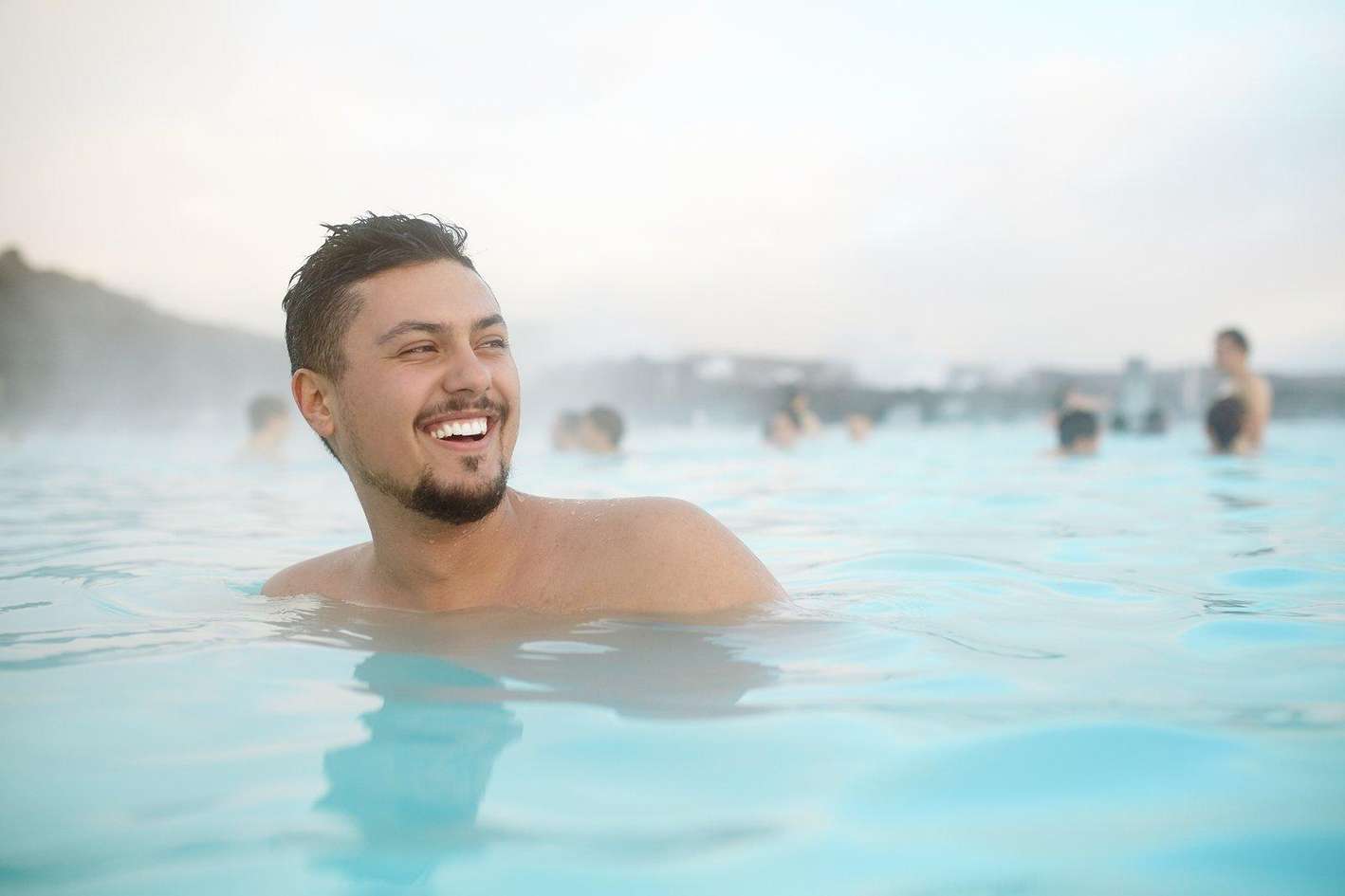
With the combo day claimed, the rest of a Reykjavik stay fills itself. Sky Lagoon sits a short drive from downtown, an oceanside spa with an infinity pool, a cold plunge and a steam room.
In town, Sundhöllin is a historic pool with rooftop hot tubs facing the Hallgrímskirkja tower, and Laugardalslaug is the city's largest pool complex. For a wilder soak, Hvammsvík lines eight natural hot springs along a black-sand fjord beach about 45 minutes out.
The lights themselves deserve a museum visit before the hunt. Aurora Reykjavík lays out the science and the photography on touch screens and film, so the sky makes more sense when you stand under it.
Perlan pairs an aurora planetarium show with an indoor ice cave, and the Grandi district adds Europe's largest whale museum plus the Lava Show, where real molten lava pours on a stage.
One hard boundary frames it all: from mid-April to late August, nothing aurora happens at all. Winter itineraries can stack a daytime soak, a museum afternoon and the night hunt without strain.
Secret Lagoon is worth knowing too, a cheaper and quieter thermal bath for anyone the big spas overwhelm. Save the slow mornings for after the aurora nights.
The combined day earns its fourteen to sixteen hours when your stay is short and your evenings are precious: three landmarks in the midday light, a real dinner break, and an aurora chase that hands the night back to you if the sky refuses.
Book it for night one, dress for standing still, and let the retry policy do its quiet work.
Go ifYour winter stay runs three or four days and you want the sights and the aurora without a rental carYou can commit your first evening to the hunt, leaving later nights free for retriesYou travel in February or March, when snow, daylight and dark skies all overlap
Skip ifYou arrive in May, June or July, when Reykjavik gets no true darkness at allYou travel with children aged 7 or younger, whom 12-hour combos do not permitYou would rather keep mornings slow, since the combo runs dawn pickups to after-midnight returns
Our pick to book
From Reykjavik: Golden Circle and Northern Lights Tour4.1★ (707) · 9 hours · Hotel pickup · Free cancellation
Iceland Golden Circle and northern lights tour FAQ
strokkur erupts every 6 to 10 minutes
Quick answers on refunds, the afternoon break, and how a combo day actually runs.
Reykjavik2026
Chased the lights until midnight under clear sky. Book your hunt for the first night, so spare evenings are free for a retry.
What happens if the Golden Circle runs but the evening northern lights tour is cancelled?
If weather or unsafe roads stop the aurora portion of a private combo, you get a refund for that part of the activity. On group tours, a cancellation before departure brings a full refund or a free reschedule to another evening.
Do I get my money back if the tour runs but no lights appear?
No refund applies in that case. Instead, most operators hand you a free retry tour on another night. That is why booking your hunt for the first evening of your trip matters, since it leaves the rest of your stay open for a second attempt.
How does the break between the day tour and the night tour work?
The two halves run as separate tours with a gap of a few hours in Reykjavik between them. A 9 am departure returns around 5:30 pm with the lights tour starting at 8:30 pm, and a 10:30 am departure returns around 7 pm with a 9:30 pm start.
Where do we eat between the Golden Circle and the aurora hunt?
You are dropped off downtown near restaurants and cafés, so dinner before the evening pickup is easy. Meals and drinks are usually not included in combo tours, so budget for them separately.
How long does the whole combined day last?
Active touring adds up to roughly 9 to 11 hours between the two halves. With the break in town included, the day spans about 14 to 16 hours from morning departure until the late-night return.
Are there entrance fees at the Golden Circle stops?
Walking into Thingvellir National Park, the Geysir and Strokkur geothermal field, and the Gullfoss viewpoints is free. Kerid crater is the exception and charges an entry fee at the gate.
Is December daylight enough to see all three Golden Circle stops?
December gives about 4 hours 22 minutes of direct sun, so the first and last driving legs happen in the dark. Stops are timed for the brighter middle of the day, and twilight stretches usable light to around 7 to 8 hours.
Why do the lights look fainter in person than in tour photos?
Camera sensors pick up faint auroral colors well before your eye can separate them from a gray haze. Even a display that looks dim overhead often glows brightly on your phone screen.
Day Iceland Golden Circle tour sorted? Pick your next aurora hunt
book the combo for night one, it leaves the rest of your trip free for retries